
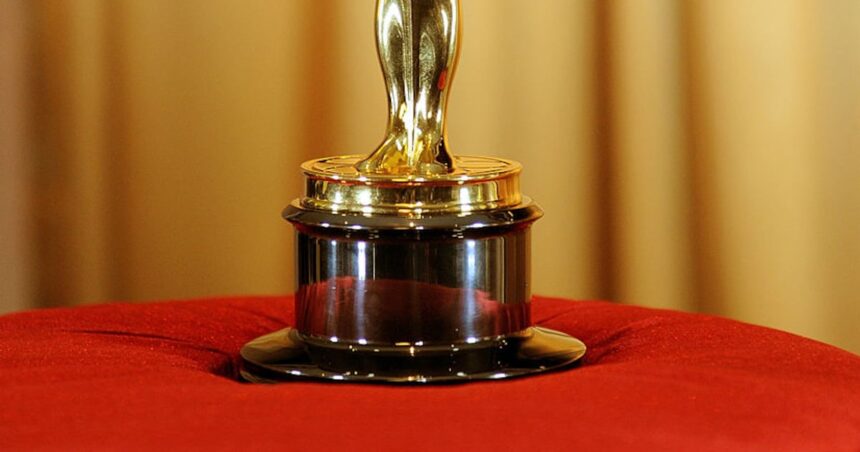

The Oscars have always been unpredictable, but this year feels different. Walking through Toronto’s entertainment district last week, I overheard at least three separate conversations about the upcoming ceremony. Everyone has a different pick for Best Picture. That tells me something significant is happening in Hollywood right now.
The 2026 Academy Awards ceremony takes place next Sunday, and nobody seems confident about who will take home the golden statues. Industry insiders I’ve spoken with at local film festivals admit they’re genuinely stumped. This isn’t the usual pre-show suspense that studios manufacture for publicity. The uncertainty feels authentic this time around.
Sarah Mitchell, a film critic based here in Toronto, told me she’s never seen an Oscar race this wide open. She’s covered the awards for fifteen years. “Usually by now, you have a frontrunner that’s pulled ahead,” she explained over coffee near Queen Street West. “This year, there are at least four viable Best Picture contenders.” Her observation matches what I’ve been hearing from other entertainment journalists in the city.
The unpredictability extends beyond just the Best Picture category. Acting categories remain equally uncertain, with multiple performers delivering career-defining work this season. Voting members of the Academy reportedly remain divided even days before final ballots are due. That’s unusual for an industry that typically coalesces around specific narratives as ceremony dates approach.
Toronto’s film community has been particularly engaged with this year’s race. The Toronto International Film Festival showcased several of the nominated films back in September. Local audiences responded enthusiastically to the diverse range of stories being told. Marcus Chen, who manages the TIFF Bell Lightbox, mentioned that ticket sales for Oscar-nominated films have increased by eighteen percent compared to last year. People want to form their own opinions before the winners are announced.
What makes this year different from previous ceremonies? Several factors contribute to the current state of affairs. The film industry experienced significant changes over the past few years. Streaming platforms now compete directly with traditional studios on equal footing. International cinema receives more recognition than ever before. Voters have access to more films from more sources than any previous generation of Academy members.
The definition of what constitutes an “Oscar movie” has also expanded considerably. Gone are the days when historical dramas and biopics dominated every category. This year’s nominees include genre films, documentaries that blur fictional boundaries, and experimental narratives that challenge conventional storytelling. The Academy’s expanded and diversified membership clearly influences these choices.
Jennifer Park, a film professor at Toronto Metropolitan University, sees this unpredictability as healthy for cinema overall. “When you can’t predict the winner, it means voters are actually watching and thinking,” she said during our phone conversation yesterday. “It suggests they’re not just following predetermined narratives.” Her students have been running their own prediction contests, and the results vary wildly from class to class.
The Best Director category exemplifies this year’s uncertainty perfectly. Five distinctly different filmmakers earned nominations, each bringing unique visions to their respective projects. No clear frontrunner has emerged despite weeks of precursor awards from various guilds and critics groups. Different ceremonies have honored different directors, making it impossible to identify a consensus choice.
Economic factors also play a role in this year’s unpredictable landscape. Box office performance no longer correlates directly with Oscar success the way it once did. Some nominated films earned hundreds of millions globally. Others received limited theatrical releases before streaming debuts. The Academy seems increasingly willing to reward artistic merit regardless of commercial performance.
Toronto’s advertising and marketing professionals have noticed this shift as well. David Kowalski runs a boutique agency that works with entertainment clients. He told me that traditional Oscar campaigns don’t guarantee results anymore. “You used to be able to follow a playbook,” he explained. “Host screenings, place advertisements, secure endorsements. Now voters seem more resistant to conventional lobbying tactics.”
The international film category particularly demonstrates how global the Academy’s perspective has become. Films from six continents received serious consideration this year. Toronto’s diverse population means local audiences have strong connections to many of these international productions. Screenings at the Royal Cinema and the Revue Cinema have drawn packed houses for nominated foreign language films.
Technical categories remain equally competitive this year. Cinematographers, editors, sound designers, and visual effects artists all delivered exceptional work across multiple films. Splitting votes among several worthy candidates could lead to surprising outcomes in categories that typically have clearer favorites by this point in the season.
The acting races present their own complications. Lead performer categories feature multiple first-time nominees alongside established stars. Supporting categories include breakout performances that captured public attention in unexpected ways. Sentiment could swing in any direction depending on which narrative resonates most strongly with voters in their final deliberations.
I’ve been covering entertainment news in Toronto for over a decade now. This feels like a genuine turning point for the film industry. The Academy seems to be catching up with how people actually consume and appreciate cinema in the modern era. That’s refreshing to witness, even if it makes my job of predicting winners considerably more difficult.
Local viewing parties are already being organized throughout Toronto for Oscar night. Restaurants and bars in the Entertainment District expect strong crowds despite the ceremony falling on a Sunday evening. The uncertainty seems to be driving interest rather than diminishing it. People want to see how this genuinely unpredictable race resolves itself.
Whatever happens next Sunday night, this Oscar season has already succeeded in one important respect. It’s reminded everyone that film remains a vital and evolving art form. The conversation matters as much as the awards themselves. Toronto audiences understand that instinctively, which is why our city continues to punch above its weight in global film culture.
The Oscars represent just one night, but they reflect an entire year of cinematic achievement. This year’s ceremony will likely produce some genuine surprises and perhaps a few upsets. That’s exactly what the film industry needs right now.