
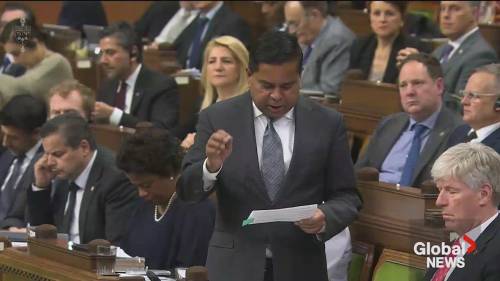

Article – The issue of Iranian officials living in Canada has sparked intense debate on Parliament Hill, raising questions many of us have been asking for years. Conservative MP Melissa Lantsman confronted Public Safety Minister Dominic LeBlanc about deportations in a heated exchange that reveals deep frustrations about immigration enforcement.
Lantsman pressed LeBlanc on specific numbers during Question Period. She wanted to know how many Iranian regime officials have actually been deported from Canada. The minister’s responses left many observers unsatisfied and raised concerns about accountability in our immigration system.
This conversation matters to everyday Canadians who expect their government to enforce immigration rules fairly. When officials from regimes accused of human rights violations find safe haven here, it challenges our national values. Walking through the Byward Market last week, I overheard two shopkeepers discussing exactly this topic over coffee.
The Conservative MP specifically referenced individuals connected to Iran’s Islamic Revolutionary Guard Corps. Canada designated the IRGC as a terrorist organization in 2024 after years of pressure from advocacy groups. That designation was supposed to prevent members from entering Canada and enable deportation of those already here.
LeBlanc responded by emphasizing the complexity of deportation processes. He cited legal challenges and the need for proper evidence before removing anyone from Canadian soil. The minister insisted his department takes national security seriously and works diligently on these files.
But Lantsman wasn’t buying those explanations. She pushed back with pointed questions about timelines and specific cases. Her frustration reflected concerns I’ve heard repeatedly from constituents who feel the system moves too slowly when dealing with potential security threats.
The Iranian Canadian community has been particularly vocal about this issue. Many fled persecution in Iran and feel betrayed when regime-connected individuals live comfortably in their adopted homeland. Organizations like the Centre for Israel and Jewish Affairs have also called for stronger action.
According to data from Immigration, Refugees and Citizenship Canada, deportation proceedings can take several years to complete. Legal appeals, documentation requirements, and diplomatic complications all contribute to delays. The system wasn’t designed for speed, but rather for thoroughness and protection of legal rights.
However, critics argue that thoroughness shouldn’t mean inaction. They point to cases where individuals with clear connections to authoritarian regimes remain in Canada indefinitely. The gap between policy announcements and practical enforcement frustrates many who expected immediate results after the IRGC designation.
Security experts have weighed in on both sides of this debate. Some emphasize the importance of gathering solid evidence that will withstand court challenges. Others warn that excessive caution allows potentially dangerous individuals to remain among us while bureaucratic processes grind forward.
The Canada Border Services Agency handles most deportation cases. CBSA officers must balance enforcement priorities with legal obligations and resource constraints. Their workload includes not just individuals connected to foreign regimes but also those who’ve committed crimes or overstayed visas.
Minister LeBlanc referenced ongoing investigations that he couldn’t discuss publicly due to privacy laws. This answer, while legally necessary, doesn’t satisfy people who want transparency. The tension between operational security and public accountability creates an uncomfortable dynamic in these discussions.
Lantsman’s questioning style reflected growing Conservative pressure on the Liberal government regarding immigration and security issues. Her party has made border control and screening processes central to their political messaging. They argue the current government has been too permissive and insufficiently vigilant.
The Liberal government counters that they’ve strengthened screening procedures and increased resources for security agencies. They point to the IRGC designation itself as evidence of their commitment. Yet the gap between designation and visible enforcement actions creates political vulnerability.
Iranian regime officials living in Canada reportedly include former police officers, bureaucrats, and others connected to government institutions. Proving their involvement in human rights abuses or terrorist activities requires extensive documentation. Iran doesn’t cooperate with Canadian investigations, making evidence gathering extremely difficult.
International law also complicates deportations. Canada cannot deport individuals to countries where they face torture or death. Even if someone served a brutal regime, legal protections still apply. This creates ethical dilemmas that simple political soundbites cannot resolve.
Advocacy groups have compiled lists of individuals they believe should be investigated for potential deportation. These lists include specific names and allegations of misconduct. However, government officials cannot act on accusations alone without following proper legal procedures.
The exchange between Lantsman and LeBlanc highlights fundamental tensions in Canadian governance. We want our country to be a safe haven for legitimate refugees. We also want strong enforcement against those who threaten our security or violated human rights elsewhere. Balancing these priorities isn’t straightforward.
Public opinion polling shows Canadians overwhelmingly support deporting individuals connected to terrorist organizations. A recent Angus Reid survey found that 78 percent of respondents favor stricter immigration enforcement. These numbers put pressure on all parties to demonstrate concrete action.
The government faces a credibility challenge on this file. Announcements and designations matter little if the public sees no tangible results. Every month that passes without visible deportations strengthens opposition arguments about Liberal weakness on security.
Moving forward, this issue will likely remain prominent in parliamentary debates. The Conservative Party has shown it will continue pressing for specific numbers and timelines. The government must either provide more transparent reporting or face ongoing accusations of inaction.
For Ottawa residents and all Canadians, this debate touches on fundamental questions about who we are as a nation. We pride ourselves on fairness, security, and human rights. Ensuring our immigration system reflects those values while respecting legal protections remains an ongoing challenge that deserves our continued attention.