
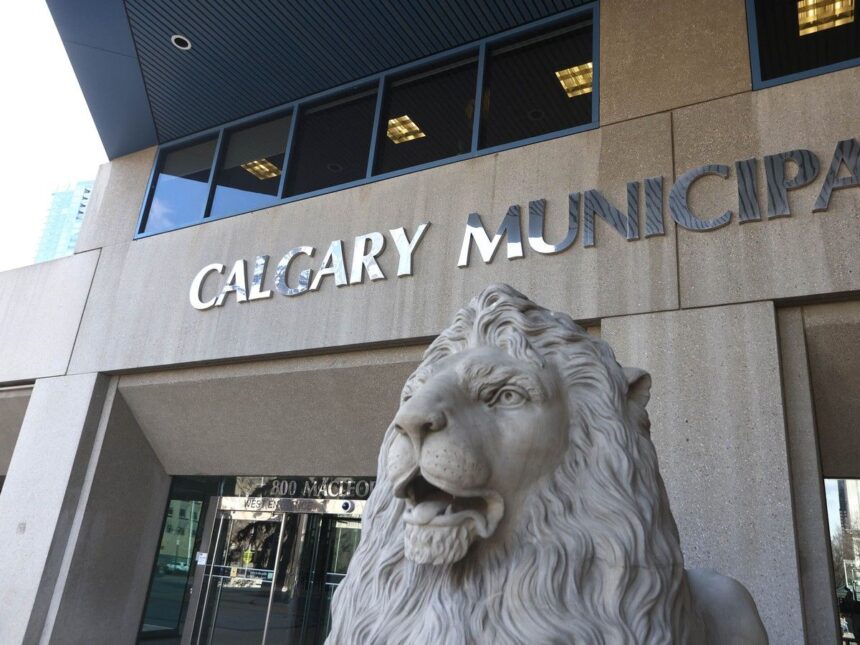

The city just posted its list of properties headed to auction because owners haven’t paid their taxes. What caught my attention wasn’t just the number of homes on the list. It’s the fact that several million-dollar properties are among them.
I’ve covered municipal finance stories for years, and this particular auction tells us something important about Calgary’s current economic reality. When high-value homes end up on a tax sale list, it signals deeper financial stress than most people realize. This isn’t about folks forgetting to pay a bill. These are serious financial collapses happening behind closed doors in some surprisingly upscale neighborhoods.
The City of Calgary confirmed that properties with outstanding tax arrears exceeding three years automatically enter the tax recovery process. According to municipal records, the upcoming 2026 auction includes residential properties valued well over one million dollars. That’s unusual, even for a city that’s weathered multiple economic downturns over the past decade.
Tax sales happen every year in Calgary, but the composition of properties tells different stories depending on economic conditions. Back when oil prices tanked in 2015 and 2016, I watched commercial properties flood these lists. Now we’re seeing a different pattern emerge with high-end residential real estate appearing more frequently.
The process works like this. Property owners receive multiple notices over three years before the city takes legal action. Municipal officials send letters, make phone calls, and offer payment arrangements. By the time a property reaches auction, the owner has ignored or been unable to respond to numerous attempts at resolution.
City records show that property owners owe anywhere from several thousand to hundreds of thousands in back taxes on these homes. The accumulated debt includes penalties and interest charges that compound annually. A homeowner who initially owed twenty thousand dollars three years ago might now face a bill exceeding thirty thousand with added fees.
What surprises people is that wealthy homeowners can end up in this situation at all. From my conversations with local financial advisors and bankruptcy trustees, the reasons vary considerably. Some owners face business failures that drain all available cash. Others deal with messy divorces where neither party takes responsibility for the property. Medical emergencies, job losses in specialized industries, and failed real estate speculation all contribute to these scenarios.
One bankruptcy trustee I spoke with, who requested anonymity to protect client relationships, explained that high-net-worth individuals often have complex financial structures. When one part collapses, it can create a domino effect. Someone might own a million-dollar home but have all their liquid assets tied up in a failing business or locked in legal disputes. The house looks valuable on paper, but the owner can’t access funds to cover basic obligations like property taxes.
The city doesn’t want to seize homes. Municipal officials have told me repeatedly over the years that tax sales are a last resort. The administrative costs and legal complications make it an inefficient way to collect revenue. But the city also can’t let tax debts accumulate indefinitely without consequences. Other taxpayers shouldn’t subsidize those who don’t pay their share.
Calgary’s tax sale process differs from foreclosure. When a bank forecloses, they’re recovering a loan secured by the property. When the city conducts a tax sale, they’re recovering a public debt owed to all citizens. The distinction matters because it affects how proceeds are distributed and what rights former owners retain.
Properties sold at tax auction often attract investors looking for below-market opportunities. However, buying at tax sale involves risks that casual investors sometimes underestimate. Title issues, property condition problems, and redemption periods create complications that don’t exist with regular real estate transactions.
The redemption period gives former owners one final chance to reclaim their property by paying all outstanding amounts plus additional costs. I’ve seen cases where families scramble to raise funds during this window, sometimes successfully recovering homes through loans from relatives or emergency refinancing. But once that period expires, the property permanently transfers to the new owner.
What concerns me about this year’s list is what it suggests about financial fragility in segments of Calgary’s population that typically appear secure. These aren’t low-income households struggling with poverty. These are people who once had significant resources but experienced catastrophic financial deterioration.
The Calgary Real Estate Board reports that the housing market has remained relatively strong compared to the depths of previous downturns. Home prices have stabilized and even increased in many neighborhoods. Yet individual financial circumstances don’t always mirror broader market trends. Someone’s personal economic disaster can unfold even while aggregate statistics look healthy.
Local housing counselors point out that property tax obligations continue regardless of whether someone lives in a home or generates income from it. Unlike mortgage payments that might be negotiated with lenders, tax bills arrive with legal authority behind them. The city has powers that private creditors don’t possess, including the ability to ultimately seize and sell property.
The situation also highlights gaps in financial safety nets. People assume that homeowners with valuable properties have resources to weather difficulties. But equity trapped in real estate doesn’t pay current bills. Banks become reluctant to extend additional credit to borrowers already showing financial distress. Family and friends might not grasp the severity of someone’s situation until it’s too late to intervene effectively.
I think about the individual stories behind each address on that list. Each represents a family’s financial crisis that escalated over three years from manageable problem to complete disaster. These are painful human experiences playing out in legal documents and auction notices.
The upcoming sale will likely attract significant attention from bargain hunters and real estate investors. Properties will probably sell, new owners will take possession, and the city will recover the tax revenue it’s owed. But the underlying question remains: how many more Calgary families are closer to this edge than anyone realizes?