
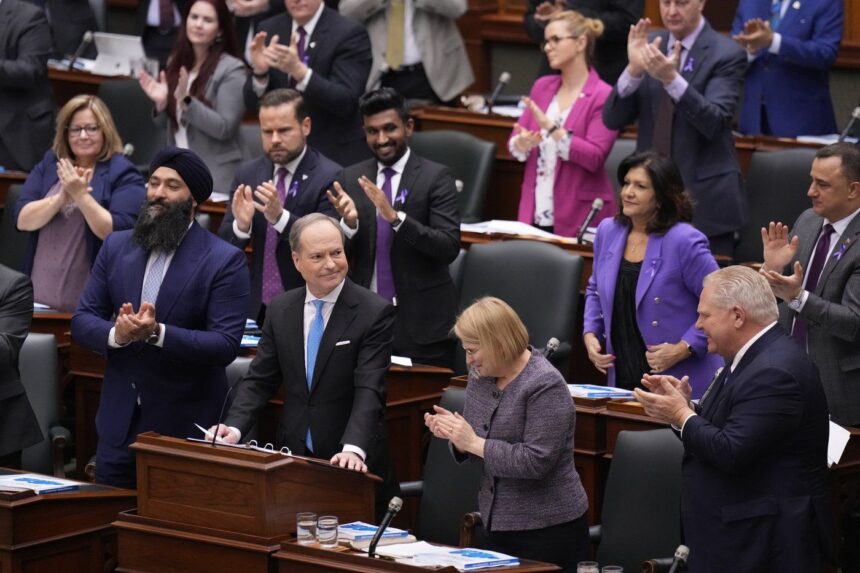

I’ve been covering Ontario budgets for years now, and this upcoming March 26 announcement feels different. Finance Minister Peter Bethlenfalvy isn’t using his usual cautious language. He’s talking directly about productivity and competitiveness, which tells me something significant is brewing in Queen’s Park.
The province is facing real challenges right now. Our productivity numbers haven’t impressed anyone lately. Business leaders I speak with regularly mention the same frustrations about red tape, slow permit approvals, and challenges finding skilled workers. Toronto’s economy drives much of Ontario’s growth, so when our city struggles with these issues, the entire province feels it.
Bethlenfalvy confirmed the budget will focus heavily on making Ontario more competitive. That word keeps appearing in government statements and press releases. Competitiveness means different things to different people, though. For manufacturers, it might mean lower electricity costs or streamlined regulations. For tech companies along King Street West, it could involve better access to talent or tax incentives for innovation.
I reached out to several business associations for their perspectives. The Ontario Chamber of Commerce has been pushing hard for productivity reforms. Rocco Rossi, their president, told me directly that Ontario needs bold action. “We’re competing globally now, not just with Quebec or BC,” he explained during our conversation last week. “Every delay, every unnecessary regulation, every skills gap puts us further behind.”
The timing matters here. Ontario’s economy grew slower than expected last year. Statistics Canada reported our GDP increase fell short of projections by nearly half a percentage point. That might sound small, but it represents billions in lost economic activity. Toronto felt this slowdown particularly hard in the commercial real estate and financial services sectors.
Housing continues dominating conversations everywhere I go. Coffee shops, business meetings, community events—everyone talks about affordability. The provincial government knows it cannot ignore this issue in any budget. Bethlenfalvy hinted that housing measures would appear in the fiscal plan, though he didn’t provide specifics yet.
I’ve watched how provincial housing policies affect Toronto neighborhoods firsthand. The Yonge Street corridor has seen dramatic changes over the past five years. New condo towers keep rising, yet prices remain out of reach for most young professionals. The government faces a delicate balance between encouraging development and ensuring actual affordability.
Healthcare spending will definitely get significant attention. Ontario hospitals are stretched incredibly thin right now. I visited Mount Sinai Hospital last month for a story about emergency room wait times. What I saw troubled me deeply. Nurses working double shifts, patients waiting hours for basic care, and administrators scrambling to fill positions. The system needs substantial investment, not just modest increases.
Dr. Sarah Chen, who works in Toronto’s hospital network, shared her frustrations during our interview. “We keep hearing about funding announcements, but front-line workers don’t see meaningful improvements,” she said. “We need sustained, strategic investment in both infrastructure and people.” Her comments reflect what many healthcare professionals tell me privately.
Education funding represents another critical area. Ontario schools have faced years of tensions between the government and teachers’ unions. Class sizes, special education support, and mental health resources remain contentious issues. Toronto parents I speak with express genuine concern about their children’s educational experiences.
The competitiveness angle might extend into education through skilled trades initiatives. Ontario faces a serious shortage of electricians, plumbers, and construction workers. This shortage directly affects Toronto’s building boom. Projects get delayed because contractors cannot find enough qualified workers. Apprenticeship programs could receive increased funding if the government takes competitiveness seriously.
Tax policy always generates intense interest during budget season. Business groups want corporate tax reductions. Labor organizations push for higher taxes on wealthy individuals and corporations. The Bethlenfalvy budget will need to navigate these competing pressures while maintaining revenue for essential services.
I’ve noticed increased discussion about attracting investment from the United States. With uncertainty about American economic policy, some companies are considering Canadian expansion. Ontario wants to position itself as an attractive destination. That requires competitive tax rates, reliable infrastructure, and access to skilled workers.
Transit infrastructure in Toronto desperately needs attention. The Ontario Line project continues, but questions persist about funding and timelines. Metrolinx faces cost overruns on multiple projects. Every business leader I interview mentions transit as crucial for regional competitiveness. Workers cannot reach jobs efficiently when transit fails. Companies struggle to attract talent when commutes become unbearable.
Small business owners have specific concerns heading into this budget. Maria Santos owns three restaurants across Toronto. She told me her biggest challenges involve rising costs and labor shortages. “Property taxes keep climbing, food costs are insane, and finding reliable staff feels impossible,” she explained. “We need practical help, not just announcements.”
The technology sector keeps growing despite broader economic challenges. Toronto’s tech scene added thousands of jobs last year according to the Toronto Region Board of Trade. However, competition for talent remains fierce. Companies compete against American firms offering higher salaries and remote work flexibility. Provincial support for innovation could help level the playing field.
Environmental considerations might factor into competitiveness discussions. Clean technology represents a major growth opportunity. Companies developing green solutions need supportive policies and access to capital. Ontario could position itself as a leader in sustainable business practices while driving economic growth.
I’m watching closely for details about regulatory reform. Business owners consistently cite excessive regulation as a barrier to growth. Streamlining approval processes for construction, business licenses, and environmental assessments could boost productivity significantly. The challenge involves reducing bureaucracy without compromising important protections.
Infrastructure beyond transit deserves attention too. Broadband access in rural Ontario remains inadequate. Manufacturing facilities need reliable electricity at reasonable costs. These fundamental requirements affect whether businesses choose Ontario for expansion or investment.
The budget will reveal whether Bethlenfalvy’s competitiveness talk translates into concrete action. I’ve covered enough budgets to know that ambitious rhetoric doesn’t always match actual policy. The details matter enormously. Funding timelines, implementation plans, and accountability measures determine whether initiatives succeed or become forgotten announcements.
Toronto’s future depends significantly on provincial decisions made in this budget. Our city generates enormous economic activity for Ontario. When provincial policies support business growth, improve infrastructure, and invest in people, Toronto thrives. When policies fall short, everyone suffers.
I’ll be analyzing the March 26 budget thoroughly. The numbers will tell the real story beyond political messaging. Ontario faces genuine challenges requiring serious solutions. Whether this budget delivers remains to be seen, but the stakes couldn’t be higher for our province’s economic future.