
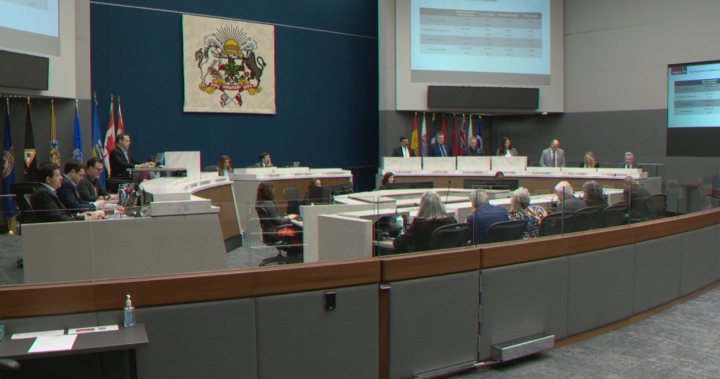

Article – Calgary’s city council just wrapped up a critical session that’ll shape how our tax dollars get spent over the next few years. The priorities they outlined tell us a lot about where this city is heading, and frankly, some of the choices might surprise you.
Council members gathered to hammer out what matters most for the upcoming budget cycle. Public safety emerged as the dominant concern, which isn’t shocking if you’ve been following local news lately. Crime rates have climbed in certain neighborhoods, and residents have been vocal about feeling less secure than they did five years ago.
Mayor Jyoti Gondek emphasized the need for strategic investments rather than reactive spending. She’s pushing for a balanced approach that addresses immediate concerns without mortgaging our future. That’s easier said than done when every department wants more funding and taxpayers are already feeling squeezed.
Transit improvements landed high on the priority list too. Calgary’s public transportation system has struggled since the pandemic hit. Ridership dropped dramatically and hasn’t fully recovered. Council members recognize that a functioning transit network isn’t just convenient, it’s essential for economic growth. Workers need reliable ways to reach their jobs, and businesses need customers who can actually get to their storefronts.
The infrastructure conversation got heated, as it always does. Roads need fixing, water systems require upgrades, and recreational facilities aren’t getting any younger. Councillor Sonya Sharp pointed out that deferred maintenance costs more in the long run. Every year we postpone necessary repairs, the price tag grows larger. It’s like ignoring that leaking roof until the whole ceiling caves in.
Affordable housing made the list, though some councillors wanted it ranked even higher. Calgary’s housing market has cooled somewhat from its pandemic frenzy, but finding decent accommodation remains challenging for many families. The gap between what people earn and what rent costs continues widening. Council discussed various strategies, from incentivizing developers to exploring innovative housing models.
Economic development also featured prominently in discussions. Calgary’s economy has diversified beyond oil and gas, but we’re not out of the woods yet. Tech sector growth shows promise, and film production has brought unexpected opportunities. Council wants to position Calgary as a destination for innovative businesses while supporting existing companies through challenging times.
Something interesting happened during the deliberations. Several councillors pushed back against the usual budget theatre where everyone requests inflated amounts expecting to get cut down. Councillor Dan McLean suggested a more honest approach where departments present realistic needs upfront. Whether that actually happens remains to be seen, but the sentiment resonated with colleagues tired of the game.
Climate adaptation found its way onto the priority list, though not without controversy. Some members argued that environmental initiatives should top every budget discussion. Others worried about costs during economically uncertain times. The compromise language talks about sustainable development and preparing for extreme weather events. We’ve seen what hailstorms and flooding can do to this city, so investing in resilience makes practical sense regardless of where you stand politically.
Recreation and community services sparked passionate debate. Libraries, community centers, and parks shape neighborhood character and quality of life. These facilities took hits during budget cuts over recent years. Council members representing suburban wards emphasized that growing communities need amenities, not just houses and strip malls. Their constituents moved to Calgary expecting a certain standard of living, and bare-bones services don’t cut it.
The downtown revitalization effort earned renewed attention. Our core has struggled with vacancy rates and a shifted work culture. Fewer people commute downtown daily, which affects everything from restaurants to retail shops. Council discussed converting empty office towers into residential space, improving street safety, and creating reasons for people to visit downtown beyond work obligations.
What struck me during this priority-setting session was the tension between competing visions for Calgary’s future. Some councillors favor lean government and minimal tax increases. Others argue that strategic investments now prevent bigger problems later. Both sides make valid points, which makes governing complicated and occasionally frustrating.
The administration will now take these priorities and translate them into actual budget proposals. That’s when things get really interesting because priorities are easy to declare but hard to fund. Every dollar allocated to public safety means less money available for transit or housing or infrastructure. The trade-offs become concrete rather than theoretical.
Calgarians should pay attention as budget discussions continue over coming months. These decisions affect daily life in tangible ways. Your commute time, neighborhood safety, park conditions, and property taxes all flow from choices council makes now. Public engagement opportunities will emerge, and speaking up actually matters at the municipal level more than people realize.
One thing seems certain: this budget cycle won’t satisfy everyone. Calgary faces genuine challenges that require significant resources during a time when many residents feel financially stretched. Council must balance immediate needs against long-term planning while keeping taxes manageable and services functional.
The priorities outlined this week provide a roadmap, but the real test comes when council votes on specific spending. That’s when we’ll see whether these declared priorities translate into meaningful action or remain aspirational talking points. Based on past experience, expect heated debates, difficult compromises, and more than a few surprised reactions when the final budget emerges.
For now, Calgary’s direction appears set toward public safety, infrastructure renewal, and economic development. Whether execution matches intention remains the question that’ll define this council’s legacy and shape our city’s future for years to come.