
I’ve been covering Toronto news for over a decade, and some stories hit differently than others. When I heard about the RCMP treating a shooting incident near the U.S. Consulate as a potential national security matter, my phone started buzzing immediately. This wasn’t just another crime story. This was something that could reshape how we think about safety in our city.
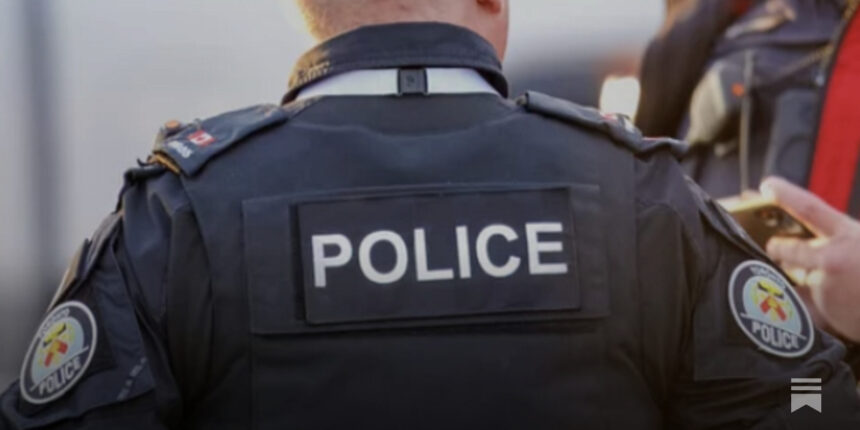
The incident unfolded in a way that caught everyone off guard. Federal authorities responded with unusual speed and intensity. The RCMP’s involvement signals something beyond routine police work. When federal law enforcement steps in, it typically means the implications stretch far beyond city limits.
I reached out to contacts at City Hall and local security firms within hours. Everyone was asking the same questions. What exactly happened? Why the heightened response? The answers weren’t coming quickly, which itself told a story.
Toronto has always prided itself on being safe and welcoming. We’re a city built on diversity and openness. But incidents like this remind us that our international profile brings complex challenges. The U.S. Consulate sits in the heart of our downtown core. Thousands of people pass by that area daily.
Local business owners near the consulate told me they noticed increased security presence immediately. One cafe manager described seeing multiple unmarked vehicles and personnel in tactical gear. “I’ve worked here eight years,” she said. “Never seen anything like this response time.”
The RCMP’s classification of this as a national security investigation carries significant weight. It means resources from across federal agencies will likely converge. Intelligence services may get involved. The investigation won’t follow typical timelines we see with local police matters.
Security experts I spoke with weren’t surprised by the federal response. Dr. Sarah Mitchell, who teaches security studies at University of Toronto, explained the protocols. “Any incident near diplomatic facilities triggers enhanced scrutiny,” she noted. “The potential for international implications requires careful handling.”
Toronto’s relationship with diplomatic security has evolved considerably over recent years. We host dozens of consulates and international missions. Each represents a potential target, however unlikely. The city has invested millions in coordinating security measures across various levels of government.
The timing adds another layer of complexity. Cross-border tensions and shifting geopolitical dynamics make any incident near consular facilities particularly sensitive. What might have been handled quietly years ago now demands transparent public communication balanced with operational security needs.
I walked past the consulate area myself yesterday afternoon. The visible security presence had decreased, but subtle changes remained. Additional cameras, repositioned barriers, more frequent patrols. These modifications don’t happen by accident. They reflect ongoing threat assessments and protective adjustments.
Local residents expressed mixed feelings when I interviewed them. Some appreciated the swift response and enhanced security. Others worried about what this means for their neighborhood’s character. “We moved here because it felt open and accessible,” one resident told me. “Now there’s this underlying tension we can’t ignore.”
The economic implications deserve attention too. Businesses near diplomatic facilities face unique pressures when security incidents occur. Foot traffic drops. Customers feel uncertain. The psychological impact of security events ripples through commercial districts in ways that aren’t immediately obvious.
Toronto Police Service is coordinating closely with federal authorities, according to sources familiar with the investigation. This collaboration model has been refined over years of practice. Local knowledge combined with federal resources creates more effective responses, though coordination challenges always exist.
What struck me most while reporting this story was the information vacuum. Details remained scarce days after the incident. This scarcity isn’t accidental. National security investigations operate under different disclosure rules than typical criminal matters. The public’s right to know bumps against operational security needs.
I’ve covered enough security stories to recognize patterns. The language officials use matters enormously. When they say “national security,” specific legal frameworks activate. Resources flow differently. International partners get briefed. The investigation’s scope expands considerably beyond what local incidents typically involve.
Community leaders I spoke with emphasized the importance of maintaining perspective. “We can’t let fear change who we are as a city,” said Councillor James Park, whose ward includes the consulate area. “But we also need to acknowledge legitimate security concerns and support appropriate responses.”
The incident raises questions about Toronto’s preparedness for security challenges that come with being a global city. We host major international events. We’re home to significant diplomatic presence. Our economy depends on being seen as stable and secure.
Experts point to investments Toronto has made in integrated security systems. Real-time communication networks connect municipal, provincial, and federal agencies. Training exercises regularly simulate various threat scenarios. These preparations don’t prevent all incidents, but they shape how effectively authorities respond.
I found myself reflecting on how my own perception of the city has shifted over years of covering these stories. Toronto remains remarkably safe compared to cities of similar size globally. Yet the nature of threats has evolved. What was once unthinkable now requires planning and preparation.
The coming weeks will reveal more about what actually happened and why federal authorities responded so decisively. Investigations of this nature move slowly and deliberately. Premature conclusions help nobody and potentially compromise ongoing work.
What we know for certain is that Toronto’s law enforcement community took this incident seriously from the first moments. The coordinated response demonstrated capabilities that most residents rarely see but should appreciate. Behind the scenes, professionals worked to assess threats and protect public safety.
This story isn’t finished. It’s unfolding in real time with implications we’re still understanding. As journalists, our responsibility is to report facts carefully while recognizing what we don’t yet know. Speculation helps nobody. Context matters enormously.
Toronto will adapt, as it always has, to evolving security realities. We’ll balance openness with vigilance, accessibility with protection. The conversation about how we maintain our character while addressing legitimate security concerns will continue long after this specific incident fades from headlines.