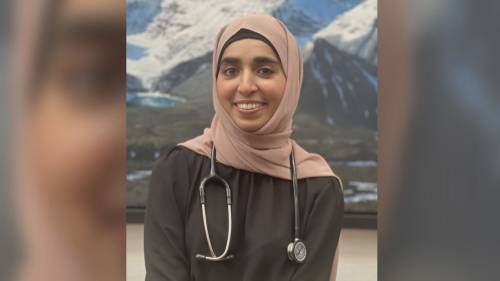

The University of Calgary made a profoundly moving decision this week that speaks to the resilience of the human spirit and the strength of our medical community. A posthumous medical degree was awarded to a student who passed away before completing their training, a gesture that honors both their dedication and the family they left behind.
This isn’t something you see every day in Calgary, or anywhere for that matter. Medical school is grueling. I’ve covered enough stories about our healthcare system to know that these students sacrifice years of their lives, relationships, and sometimes their health to reach that finish line. When someone doesn’t make it, the loss reverberates through lecture halls and hospital corridors in ways most of us can’t fully grasp.
The ceremony took place at the university’s medical campus, where faculty members and fellow students gathered to recognize the achievements of someone who showed exceptional promise. Family members accepted the degree on behalf of their loved one, a moment that brought tears to many in attendance. According to university officials, the decision followed careful consideration of the student’s academic standing and demonstrated commitment to the profession.
Dr. Jon Meddings, Dean of the Cumming School of Medicine, explained that posthumous degrees are granted only under extraordinary circumstances. The student had completed a substantial portion of their medical training and had shown the knowledge, skills, and compassion expected of a physician. This wasn’t just about checking boxes or meeting quotas. It was about recognizing a life dedicated to healing others.
I’ve walked past that medical building downtown countless times, usually on my way to cover city council meetings or business developments. You see students hunched over textbooks in coffee shops along 16th Avenue, their faces showing the kind of exhaustion that comes from all-nighters studying anatomy or pharmacology. They’re working toward something bigger than themselves, a calling that requires them to put others first.
The decision to award this degree carries significant weight beyond the symbolic gesture. For the family, it validates years of sacrifice and struggle. For classmates, it provides a sense of closure and continuation. And for the university, it demonstrates that institutional policies can sometimes bend to accommodate human tragedy without compromising academic integrity.
Calgary’s medical community is tight-knit, perhaps more so than in larger metropolitan areas. When something happens to one of our healthcare workers or students, people notice. We saw this during the pandemic when nurses and doctors faced unprecedented challenges. The support rallied around them showed what kind of city we are when the chips are down.
The Cumming School of Medicine has built a strong reputation over the years. It attracts students from across Canada and internationally, all hoping to train in a program known for its innovative curriculum and patient-centered approach. Losing a student under any circumstances affects everyone connected to the institution, from professors to administrative staff who interact with these young professionals daily.
University spokesperson Jennifer Roach confirmed that the family requested privacy during this difficult time. That’s understandable. Grief doesn’t follow a schedule, and adding public attention to private pain rarely helps anyone heal. What matters is that the university found a way to honor someone who worked so hard to join the ranks of Alberta’s physicians.
The process for awarding posthumous degrees varies across Canadian universities, but most require evidence that the student was in good academic standing and had completed a significant portion of their program requirements. Some institutions also consider the student’s character and contributions to the campus community. These aren’t decisions made lightly or quickly.
I reached out to several medical students at the university who knew the deceased. While they declined to speak on record, their messages conveyed a common theme. This person was kind, hardworking, and genuinely cared about future patients. Those qualities matter as much as test scores in medicine, maybe more.
Calgary’s healthcare landscape continues to evolve. We’re dealing with doctor shortages, emergency room wait times, and ongoing debates about healthcare funding. Every medical student who graduates represents hope for addressing these challenges. When we lose one before they can contribute, it feels like a setback for the entire community.
The posthumous degree ceremony also raises questions about how educational institutions handle tragedy. Should there be clearer policies in place? What about students who die earlier in their programs? These are uncomfortable conversations, but they’re necessary ones as universities recognize the human element behind academic policies.
Family members who attended the ceremony described it as bittersweet. They’re proud of what their loved one accomplished but heartbroken about what will never be. That duality captures something essential about loss. You can hold gratitude and grief in the same moment, and both feelings are valid.
The University of Calgary has awarded posthumous degrees in the past, though not frequently. Each case is evaluated individually, taking into account the specific circumstances and the student’s academic record. This approach allows for flexibility while maintaining standards that protect the integrity of the degree.
As someone who’s covered Calgary news for years, I’ve seen our community rally around families facing unimaginable loss. We’re not perfect, but we show up when it matters. This posthumous degree is another example of that tendency, an institutional way of saying that this person mattered and their efforts weren’t in vain.
The medical profession demands so much from those who pursue it. Long hours, emotional exhaustion, constant learning, and the weight of holding lives in your hands. Students enter this field knowing the challenges ahead, driven by something deeper than career ambitions. They want to make a difference.
This story reminds us that behind every degree, every credential, every title, there’s a human being with hopes, fears, and people who love them. The University of Calgary’s decision to award this posthumous medical degree honors that humanity in a way that transcends policy and procedure. It’s a small comfort for a family dealing with enormous loss, but sometimes small comforts are all we can offer. And sometimes, they’re enough.