
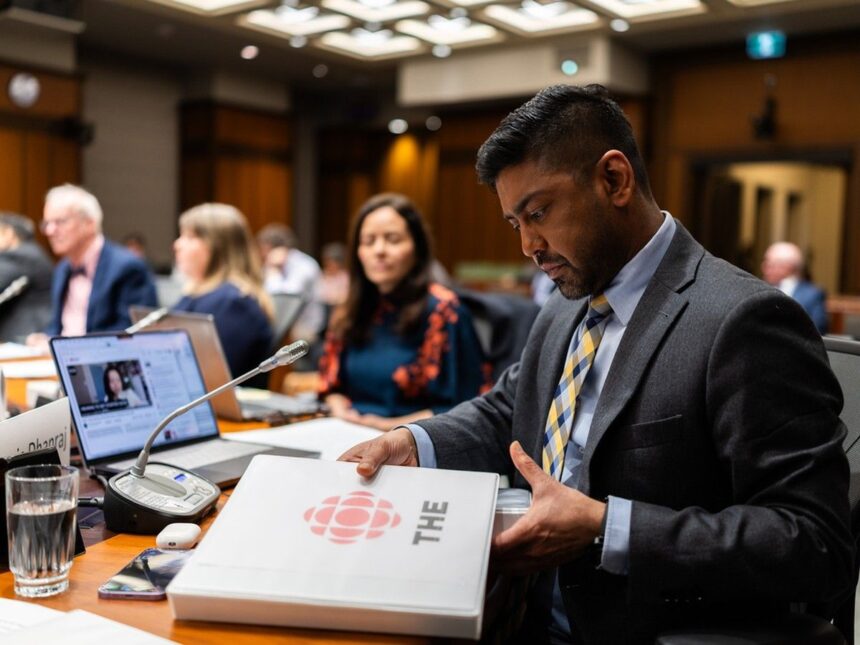

A former CBC Radio host has come forward with serious allegations against the public broadcaster’s senior leadership, claiming he faced systematic bullying and intimidation that ultimately silenced his voice. The revelations have sparked fresh conversations about workplace culture at Canada’s national broadcaster, an institution many Canadians trust to uphold journalistic integrity and employee welfare.
The host, whose tenure at CBC spanned several years, described an environment where speaking up came with professional consequences. He alleges that senior managers created a climate of fear that prevented him from performing his duties effectively. These claims arrive at a particularly sensitive time for CBC, as the organization faces ongoing public scrutiny about its operations and funding.
According to sources familiar with the situation, the former host documented multiple incidents where he felt his editorial judgment was undermined. He claims senior leadership repeatedly interfered with his work in ways that compromised his professional autonomy. The pattern allegedly intensified when he raised concerns internally about these practices.
CBC management has not provided detailed public comments specifically addressing these allegations. The broadcaster typically handles employment matters through internal processes and confidential discussions. However, the public nature of these claims has made it difficult for the organization to maintain complete silence on the issue.
The allegations paint a picture of institutional dysfunction that goes beyond individual personality conflicts. The former host suggests systemic problems exist within CBC’s management structure. He describes a hierarchy where questioning decisions or advocating for journalistic standards could result in professional retaliation. This characterization challenges the broadcaster’s public image as a champion of free expression and independent journalism.
Workplace bullying in media organizations has received increased attention across Canada in recent years. Several high-profile cases have exposed toxic environments at news outlets that publicly advocate for workplace safety and dignity. The gap between institutional values and actual practices has become a recurring theme in Canadian media discussions.
Employment lawyers familiar with broadcasting disputes note that power imbalances make it particularly difficult for on-air personalities to challenge management decisions. Their public profiles can become vulnerabilities when disputes arise. Many fear that speaking out will damage their reputations or limit future career opportunities in a relatively small Canadian media landscape.
The former host’s decision to go public represents a significant professional risk. Media professionals who criticize former employers often face industry backlash. However, his willingness to share his experience suggests the situation reached a point where remaining silent felt untenable. This calculation reflects broader cultural shifts around workplace accountability.
CBC receives substantial public funding, which creates unique accountability expectations. Canadians reasonably expect that taxpayer-supported institutions will maintain healthy workplace environments. When allegations of bullying emerge from within CBC, they raise questions about how public resources are being managed. Organizational culture directly impacts the quality of journalism that serves Canadian communities.
The timing of these allegations coincides with broader debates about CBC’s future and funding model. Critics of the public broadcaster have seized upon workplace complaints as evidence of mismanagement. Supporters argue that isolated incidents should not define the entire organization. This tension reflects deep divisions in Canadian public opinion about the role and value of public broadcasting.
Union representatives at CBC have historically addressed workplace concerns through formal grievance processes. However, some employees feel these mechanisms inadequately address power imbalances involving senior leadership. The former host’s public approach bypasses internal channels, suggesting he lost confidence in those systems to deliver meaningful accountability.
Media observers note that CBC’s response to these allegations will significantly impact its credibility. Organizations that dismiss or minimize employee concerns often face prolonged reputational damage. Conversely, transparent investigations and genuine reforms can rebuild trust. The broadcaster’s next steps will demonstrate whether it prioritizes institutional protection or genuine cultural change.
Former colleagues of the host have begun sharing similar experiences through informal channels. While these accounts remain largely anonymous, they suggest the alleged problems may extend beyond one individual’s experience. Patterns of behavior involving multiple complainants typically indicate deeper organizational issues requiring systemic solutions rather than isolated interventions.
The allegations also highlight challenges specific to creative and editorial workplaces. Subjective judgments about content quality can mask personal biases or power plays. Distinguishing between legitimate editorial direction and inappropriate interference requires clear policies and neutral oversight. Many media organizations struggle to establish these boundaries effectively.
CBC’s editorial standards and practices are generally well-documented and publicly available. However, the former host’s allegations suggest a gap between written policies and lived reality. Policy documents hold limited value when organizational culture discourages employees from invoking them. Enforcement mechanisms and protection for those who raise concerns determine whether policies have practical impact.
The situation reflects broader conversations happening across Canadian workplaces about psychological safety and dignity at work. Employers increasingly recognize that bullying and intimidation carry serious consequences for productivity, retention, and organizational reputation. Progressive organizations have implemented robust reporting mechanisms and leadership accountability measures.
As this story develops, attention will focus on whether CBC conducts a transparent investigation into the allegations. The former host has called for accountability, which typically requires independent review rather than internal assessment. Third-party investigations carry greater credibility and can identify systemic issues that insiders might overlook or minimize.
The broadcasting community in Ottawa and across Canada will watch closely to see how this situation unfolds. Similar workplace concerns at other media organizations suggest these issues extend beyond CBC. However, as a public institution with unique accountability obligations, CBC faces heightened scrutiny when such allegations emerge. The broadcaster’s response may set precedents for how Canadian media organizations address workplace culture challenges going forward.