
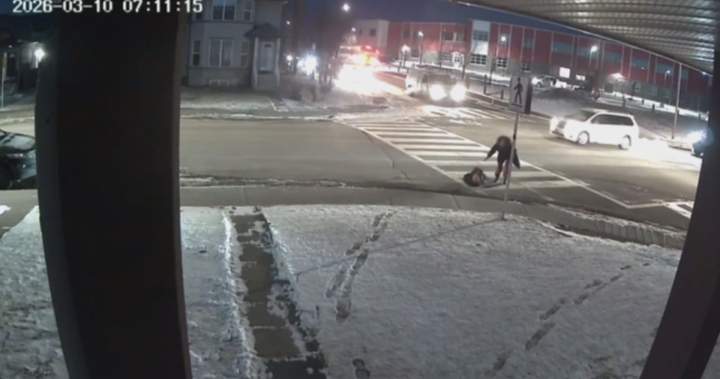

Calgary drivers are witnessing more chaos on city streets. Recent incidents show a troubling trend emerging across neighborhoods. People are choosing to film accidents rather than help victims in critical moments.
A disturbing pattern has developed on Calgary roads over recent months. When crashes happen, smartphones come out faster than emergency calls get placed. The instinct to document tragedy now competes with the impulse to assist fellow citizens needing immediate help.
Local emergency responders have noticed this behavioral shift firsthand. They arrive at collision scenes to find crowds holding phones aloft. Victims remain trapped or injured while bystanders create content for social media platforms. This reality reflects a broader cultural problem affecting public safety responses throughout our city.
The Calgary Police Service has expressed growing concern about this phenomenon. Officers report arriving at serious accidents where multiple witnesses recorded video footage. Yet few people attempted basic first aid or contacted emergency services promptly. Those critical first minutes can determine whether someone survives or suffers permanent injuries.
Traffic safety experts point to several factors driving this disturbing behavior change. Social media culture rewards dramatic content with likes and shares. People feel compelled to capture sensational moments for online audiences. The psychological distance created by a phone screen makes tragedy feel less immediate and personal.
Dr. Sarah Mitchell from the University of Calgary’s psychology department studies bystander intervention patterns. She explains that people experience a diffusion of responsibility in crowd situations. Each person assumes someone else will take action and provide necessary assistance. Adding smartphones to this equation amplifies the problem significantly.
The consequences extend beyond individual victims at accident scenes. When emergency services get delayed notifications, response times increase dramatically. Paramedics need accurate information about injuries and hazards before they arrive. Video footage doesn’t replace the critical details a live caller can provide to dispatchers.
Calgary Fire Department officials emphasize the importance of immediate emergency contact. Chief Steven Dongworth recently stated that every second counts in trauma situations. Bystanders who prioritize filming over calling 911 directly endanger lives. Professional responders depend on quick notification to mobilize appropriate resources and equipment.
Road safety advocates are pushing for stronger public awareness campaigns. They want Calgary residents to understand their civic responsibilities at accident scenes. The message focuses on simple priorities: check for safety, call emergency services, then assist victims if properly trained to do so.
Some legal experts suggest potential consequences for bystanders who interfere with emergency responses. While filming public incidents remains generally legal, obstructing rescue efforts crosses ethical and potentially legal boundaries. Alberta’s Emergency Medical Aid Act provides some protection for good Samaritan interventions.
The Calgary community has witnessed several high-profile incidents highlighting this issue. A multi-vehicle collision on Deerfoot Trail last month involved dozens of witnesses. Police reported that social media posts appeared online before multiple 911 calls came through. That delay complicated the emergency response and resource allocation process.
Local politicians are taking notice of these concerning trends. City councillors have raised questions about public education initiatives and community responsibility programs. They recognize that addressing this behavior requires cultural change rather than simple enforcement measures.
Technology companies bear some responsibility for encouraging documentation over intervention. Platform algorithms reward sensational content with increased visibility and engagement. Users receive positive feedback loops that reinforce filming dramatic events rather than participating in real-world responses.
Schools and community organizations have opportunities to reshape these attitudes. Teaching young people about civic responsibility and emergency response basics creates better outcomes. Programs that emphasize community care over content creation can gradually shift behavioral norms.
First aid training availability represents another important factor in this equation. Many Calgarians lack confidence in their ability to help accident victims effectively. Increased access to basic emergency response training would empower more bystanders to take meaningful action instead of passive observation.
The psychological impact on accident victims adds another troubling dimension to this phenomenon. Imagine lying injured on pavement while strangers point cameras at your suffering. That experience compounds trauma and violates basic human dignity during vulnerable moments.
Calgary’s diverse neighborhoods face these challenges differently based on community cohesion levels. Areas with stronger social connections tend to produce more active bystander intervention. Communities where people know their neighbors show better emergency response participation rates.
Some technology solutions might help address parts of this problem. Emergency apps that streamline 911 contact could reduce barriers to reporting incidents. Features that automatically detect accidents and alert authorities show promise for faster response times.
However, cultural change remains the most critical component of any solution. Calgarians need to collectively recommit to looking after one another in crisis situations. That means putting phones away and extending hands to people who need immediate assistance.
The contrast between Calgary’s traditional community values and emerging behaviors creates obvious tension. This city built its reputation on neighbors helping neighbors through harsh winters and tough times. Allowing smartphone culture to erode those foundations damages our collective identity and safety.
Moving forward, Calgary must find ways to balance documentation rights with intervention responsibilities. Public spaces will always attract witnesses when dramatic events occur. The challenge involves channeling that attention toward constructive assistance rather than passive content creation.
Emergency services personnel continue adapting to these realities in their daily work. They cannot control bystander behavior but can educate the public about better choices. Their message remains clear and consistent: your first instinct should be helping, not filming.
Calgary stands at a crossroads regarding community responsibility and civic engagement. The choices we make now will shape street safety culture for years ahead. Every resident has a role in determining whether we prioritize human connection or digital documentation when crisis strikes.