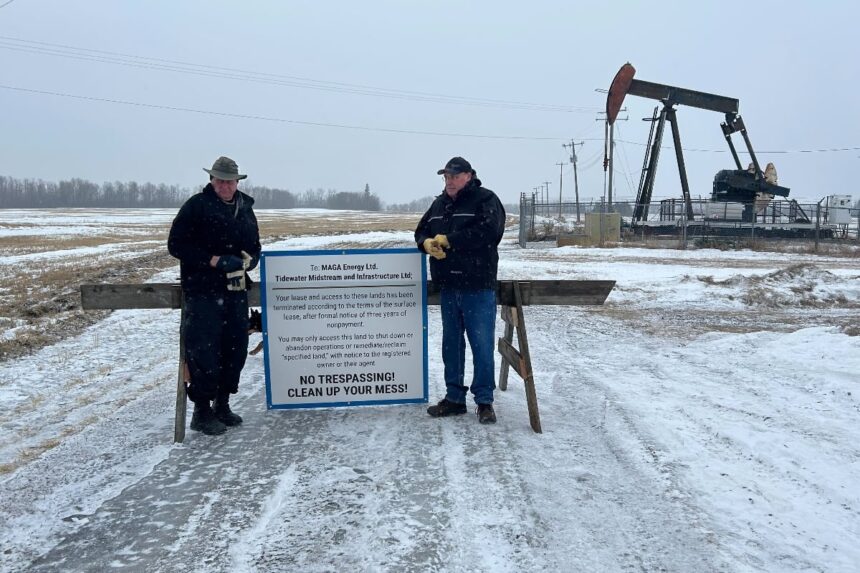

The smell of diesel and fresh coffee mixed in the cold March air as a group of determined Alberta landowners gathered at dawn near Edmonton last week. They weren’t there to celebrate or protest politics. They were blocking access to oil wells that hadn’t paid them in years.
I’ve covered countless stories about Alberta’s energy sector over my career. This one felt different. The frustration in these landowners’ voices wasn’t theatrical or exaggerated. It was the quiet anger of people who’d been patient far too long.
Rural property owners across our province are taking a stand against delinquent oil companies. These corporations owe years of surface lease payments. The landowners decided enough was enough. They physically blocked access to drilling sites and equipment scattered across their properties.
Surface rights payments represent crucial income for many Alberta families. Oil companies lease land from property owners to drill wells and install infrastructure. In exchange, they promise regular compensation. It’s a straightforward business arrangement that keeps rural economies functioning.
But when companies stop paying, families suffer real consequences. Mortgage payments don’t pause because an energy firm claims financial hardship. Property taxes still come due every year. Equipment maintenance costs continue regardless of corporate excuses.
One landowner near Leduc told reporters she’s owed over forty thousand dollars. Another family south of Edmonton hasn’t received a payment in three years. These aren’t abstract numbers on spreadsheets. They represent children’s education funds and retirement savings that vanished into corporate negligence.
The Alberta Energy Regulator tracks these delinquent companies. Their records show mounting unpaid obligations across the province. Hundreds of property owners find themselves in similar situations. They’ve exhausted legal channels and grown tired of empty promises.
I spoke with energy law experts familiar with surface rights disputes. They explained that Alberta’s regulatory framework theoretically protects landowners. The Surface Rights Board exists to mediate conflicts and enforce payment obligations. But the process moves slowly while bills accumulate quickly.
Many affected families initially trusted the system would resolve their problems. They filed complaints and attended hearings. They hired lawyers and submitted documentation. Years passed with minimal progress while their financial situations deteriorated.
The blockades represent a breaking point in this strained relationship. Landowners positioned vehicles and equipment across access roads leading to well sites. They’re preventing company workers from reaching operational infrastructure. It’s civil disobedience born from financial desperation.
Energy industry representatives expressed concern about these actions. They warned that blocking site access could create safety hazards. Some companies threatened legal action against the property owners. The irony wasn’t lost on anyone paying attention.
These corporations want to invoke legal protections while ignoring their own contractual obligations. They expect landowners to respect business agreements they’ve repeatedly violated. It’s a position that strains credibility even in Alberta’s energy-friendly political climate.
Local municipal leaders find themselves caught in an uncomfortable middle position. They understand their constituents’ frustration but worry about economic consequences. Oil and gas activity generates significant tax revenue for rural communities. Nobody wants to see operations shut down permanently.
Yet the status quo clearly isn’t sustainable either. How long should families subsidize corporate operations through unpaid lease agreements? At what point does patience become complicity in their own financial harm?
I’ve watched Edmonton’s relationship with energy companies evolve over decades. We’ve celebrated boom times and weathered difficult downturns together. The industry built much of our regional prosperity. That history creates complex emotional and economic ties.
But history doesn’t excuse present-day negligence. Companies benefiting from Alberta’s resources carry obligations to the people whose land makes extraction possible. When they fail those obligations, the entire social contract supporting our energy sector weakens.
Provincial politicians offered mixed responses to the blockades. Some emphasized the importance of property rights and timely payments. Others stressed the need for dialogue and peaceful resolution. Few proposed concrete mechanisms to prevent future payment failures.
The Alberta government could strengthen enforcement of surface rights agreements. They could prioritize delinquent companies in regulatory oversight. They could create expedited processes for landowners seeking owed compensation. Political will remains the missing ingredient.
Environmental groups observed these events with interest but little direct involvement. The blockades aren’t primarily about climate concerns or fossil fuel opposition. They’re about basic business ethics and contract enforcement. That distinction matters in Alberta’s polarized energy debates.
Some analysts worry these disputes could discourage future energy investment. They argue that confrontational tactics damage Alberta’s reputation as a stable jurisdiction. That perspective ignores who initiated this conflict through years of non-payment.
Responsible energy companies fulfill their financial obligations regardless of market conditions. They budget appropriately and maintain reserves for operational commitments. They treat surface rights payments as non-negotiable costs of doing business. Those companies aren’t the problem.
The delinquent operators gaming the system create risk for everyone. They undermine public trust in regulatory frameworks. They poison relationships between rural communities and an industry many still support. Their actions fuel broader skepticism about corporate accountability.
Walking through Edmonton’s farmers’ markets and community halls lately, I hear growing solidarity with the blockading landowners. Urban residents might not fully grasp surface rights complexities, but they understand unpaid bills. They recognize the desperation of families fighting for money rightfully theirs.
This story continues developing as more landowners consider similar actions. The blockades forced attention on an issue that festered quietly for years. Whether that attention translates into meaningful change remains uncertain.
What’s clear is that patience has expired. Alberta families opened their land to energy development under specific terms. They expected partners, not deadbeats. The current system failed them, and they’re demanding something better.