
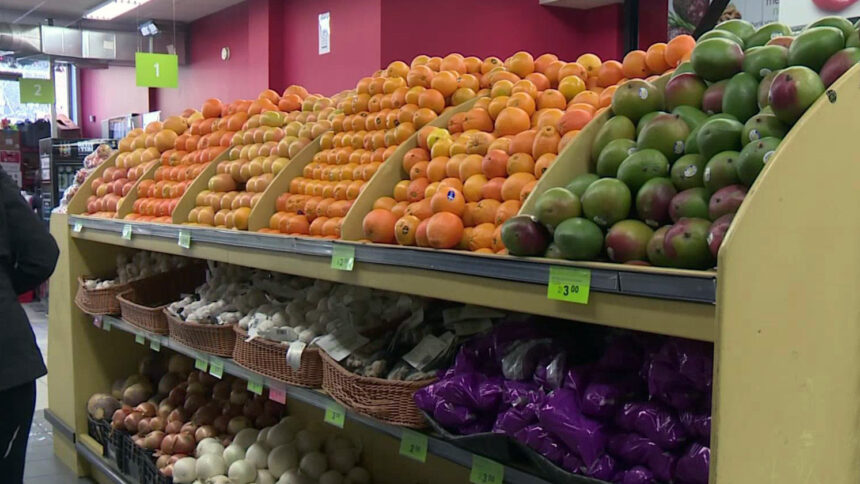

I spent my Saturday morning walking through a Parkdale grocery store, watching a pensioner put back a carton of eggs after checking the price. That moment stuck with me. It reminded me why conversations about municipal intervention in food retail matter more than ever in Toronto right now.
A city councillor just floated an idea that sounds radical at first. Toronto could operate its own grocery store to help residents deal with crushing food costs. The proposal comes as families across our city struggle with grocery bills that seem to climb every single week without relief in sight.
The concept isn’t as far-fetched as it might sound to some people. I’ve covered municipal innovation stories for years, and this ranks among the bolder proposals I’ve encountered. Cities across North America are exploring unconventional solutions to problems that traditional market forces haven’t solved adequately for vulnerable populations.
The councillor’s proposal targets neighborhoods where residents face what experts call food deserts. These areas lack accessible, affordable grocery options within reasonable distances. Families often travel significant distances or pay premium prices at smaller convenience stores for basic necessities.
Toronto’s food affordability crisis has reached alarming levels recently. I interviewed Sandra Martinez, a community advocate in Scarborough, who told me families are making impossible choices daily. “Parents are skipping meals so their kids can eat,” she explained with visible frustration. “We’re talking about working families, not just people on social assistance.”
The numbers back up what I’m hearing on the ground. Statistics Canada data shows grocery prices in Toronto increased by percentages that far outpace wage growth for average workers. Essential items like bread, milk, and fresh produce have become luxury purchases for too many households in our city.
Municipal grocery operations exist elsewhere with varying degrees of success. I researched models in places like Baldwin Park, California, where the city launched a public market that serves low-income residents. Their approach combines affordability with community engagement, creating spaces that feel welcoming rather than institutional or charity-focused.
The Toronto proposal would likely require significant startup capital and ongoing operational funding. City budget constraints are real, and I’ve watched enough council debates to know any new spending faces intense scrutiny. Taxpayers rightfully want assurance their money gets used efficiently and effectively for public benefit.
Critics will argue municipalities shouldn’t compete with private businesses in retail sectors. I spoke with Marcus Chen, a small business owner in North York, who expressed concern about government overreach. “Private grocers already operate on thin margins,” he pointed out. “City competition could hurt stores that serve communities well.”
That perspective deserves serious consideration, especially regarding independently owned ethnic grocery stores. These businesses often provide culturally specific products and employment opportunities in neighborhoods where both matter tremendously. Any municipal intervention needs careful design to complement rather than undermine existing community assets.
However, market failure is equally real in certain Toronto neighborhoods right now. Major chains have abandoned areas they deem unprofitable, leaving residents without reasonable options. I’ve reported on store closures in Rexdale and Malvern where families lost their nearest full-service grocery within convenient reach.
The councillor envisions a hybrid model that prioritizes affordability without attempting total market dominance. Initial proposals suggest starting with one or two pilot locations in underserved areas. This measured approach allows assessment of feasibility before committing to broader expansion across multiple neighborhoods.
Funding mechanisms remain under discussion, but several possibilities exist beyond direct taxation. Some advocates suggest partnering with food banks and community organizations already working in this space. Others propose revenue from profitable municipal operations could subsidize grocery services for residents who need help most.
I found the partnership angle particularly interesting during my reporting this week. Toronto has robust nonprofit infrastructure dedicated to food security issues. Organizations like Daily Bread Food Bank have deep expertise and community trust that could enhance any municipal grocery initiative significantly.
Local farmers and food producers might also benefit from new distribution channels. Ontario agriculture faces its own challenges with market access and fair pricing from large retail chains. A city-run store could prioritize local sourcing, creating economic benefits that extend beyond Toronto into surrounding rural communities.
Employment opportunities represent another potential benefit worth examining closely. A municipal grocery could offer stable jobs with decent wages and benefits. I’ve covered enough retail labor stories to know many grocery workers struggle with precarious employment and inadequate compensation despite essential roles.
The devil lives in implementation details, as my editor likes to say. Questions about site selection, inventory management, pricing strategies, and accountability measures all require thorough answers. Toronto residents deserve transparency about costs, timelines, and realistic outcome expectations before moving forward.
I reached out to Councillor Sarah Thompson, who chairs the city’s poverty reduction committee. She emphasized the proposal is still early in development stages. “We’re gathering input from residents, businesses, and food security experts,” Thompson told me. “This isn’t about rushing into something without proper planning and consultation.”
That measured approach seems prudent given the stakes involved here. Municipal governments generally don’t excel at retail operations, and failed experiments waste taxpayer money while damaging public trust. Any city-run grocery needs robust business planning that accounts for Toronto’s unique demographic and geographic realities.
Public feedback will prove crucial as this idea moves through consultation phases. I encourage Toronto residents to engage with the process regardless of whether they initially support or oppose the concept. Democracy works best when citizens actively participate in shaping policies that affect their daily lives.
The pensioner I saw returning those eggs probably won’t wait for municipal solutions. She’ll adjust her budget, skip other necessities, or ask family for help. But her struggle represents a broader crisis that demands creative responses from leaders willing to explore unconventional approaches.
Whether a city-run grocery proves viable remains an open question requiring serious analysis. What’s certain is that Toronto’s current food affordability situation isn’t sustainable for too many families. I’ll be following this story closely as it develops through the coming months.