
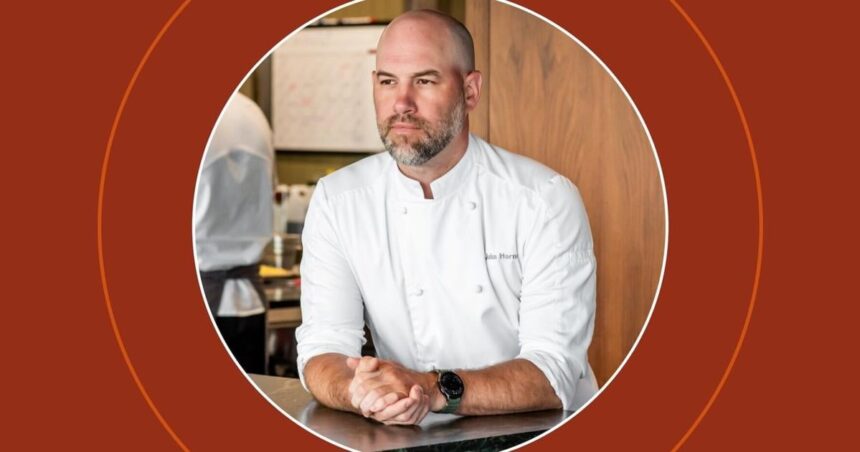

I’ve been covering Toronto’s food scene for years now, but there’s something particularly fascinating about discovering where our city’s most celebrated chefs choose to eat when they’re not behind the stove. Chef John Horne, the culinary mastermind behind Canoe, recently shared his personal dining map of Toronto, and it’s given me a whole new appreciation for the hidden corners of our city’s restaurant landscape.
Horne’s reputation precedes him. His work at Canoe has elevated Canadian cuisine to international recognition. The restaurant sits atop the TD Bank Tower, offering breathtaking views of the city while serving dishes that celebrate local ingredients and regional traditions. But what does someone with his refined palate crave after a long service?
Walking through Toronto’s neighborhoods over the past week, I followed Horne’s recommendations like breadcrumbs through our sprawling culinary scene. His choices reveal something deeper than just good food. They tell a story about authenticity, community, and the unpretentious excellence that defines Toronto’s best-kept secrets.
The first stop on my journey took me to a modest spot in the city’s east end. Horne described it as a “flawless hidden gem,” and I understand why he guards this recommendation so carefully. The space barely seats twenty people, tucked between a laundromat and a corner store. You’d walk past it without a second glance if you didn’t know better. Inside, the kitchen operates with the precision of a much larger establishment, turning out dishes that balance tradition with subtle innovation.
According to The Toronto Star’s profile, Horne frequents this location specifically for their approach to ingredient quality. The chef-owner sources directly from Ontario farmers, something that resonates deeply with Horne’s philosophy at Canoe. I spoke with the proprietor, who mentioned that having Horne as a regular customer feels like “validation from someone who truly understands what we’re trying to accomplish.”
What strikes me most about Horne’s dining preferences is their diversity. He doesn’t limit himself to fine dining establishments or trendy hotspots. His list includes family-run operations that have served Toronto communities for decades. These aren’t places you’ll find on Instagram’s explore page. They’re the restaurants where regulars know the owner by name and recipes get passed down through generations.
Toronto’s restaurant industry employs over 180,000 people according to recent municipal data. We’re a city built on immigration and cultural exchange, which creates an incredible tapestry of culinary traditions. Horne’s recommendations reflect this reality. He gravitates toward places that maintain authentic connections to their cultural roots while adapting to Toronto’s unique multicultural context.
One establishment on his list specializes in regional Italian cuisine. Not the generic red-sauce Italian-American style, but dishes specific to a single province in southern Italy. The pasta gets made fresh every morning. The olive oil comes from the owner’s family groves. Horne told the publication that he visits specifically because the food tastes exactly as it would in that Italian region, something remarkably difficult to achieve thousands of miles away.
I’ve noticed a pattern in conversations with Toronto chefs lately. There’s a growing emphasis on what I call “radical simplicity.” The idea that exceptional ingredients, treated with respect and minimal intervention, create the most memorable dining experiences. Horne’s choices embody this philosophy. None of the restaurants he mentioned rely on molecular gastronomy or elaborate presentations. Instead, they focus on executing fundamental techniques with absolute precision.
The economic reality facing Toronto’s restaurant scene adds another layer to this discussion. Commercial rents in our city have increased by roughly 23 percent over the past five years, according to commercial real estate reports. Many independent restaurants operate on razor-thin margins. The establishments Horne champions aren’t necessarily the ones with deep-pocketed investors or celebrity backing. They’re survival stories of passion, skill, and community support.
Walking through Kensington Market last Thursday, I encountered one of the spots from Horne’s list. The owner was outside sweeping the sidewalk before the lunch rush. We chatted briefly about the challenges of maintaining quality while managing costs. She mentioned that recognition from chefs like Horne brings a different kind of customer through the door. People who understand the value of what they’re getting and respect the work involved.
Horne’s perspective offers a masterclass in eating well in Toronto without breaking the bank. Several of his recommended spots offer exceptional value. You’re not paying for ambiance or location. You’re paying for food that someone poured their heart into creating. In a city where a mediocre meal at a trendy restaurant can easily cost seventy dollars per person, these gems provide superior experiences at half the price.
The concept of a “chef’s chef” gets thrown around frequently in culinary circles. It refers to professionals whose peers respect and admire their work, even if they don’t achieve mainstream recognition. Many of the restaurants on Horne’s list fit this category. They’re places where you’ll spot industry professionals on their days off, which tells you everything you need to know about quality.
Toronto’s food scene has evolved dramatically during my time covering it. We’ve moved beyond simply replicating European fine dining models. There’s a confidence now in our own regional identity. Horne’s work at Canoe pioneered this shift, celebrating Canadian ingredients and techniques rather than treating them as inferior substitutes for imported luxury goods.
His dining choices reflect this evolution. He seeks out places that honor their specific cultural traditions while existing comfortably within Toronto’s multicultural framework. A Vietnamese restaurant that serves pho exactly as it would be prepared in Hanoi. A Portuguese bakery where the custard tarts match anything you’d find in Lisbon. These establishments succeed by refusing to dilute their authenticity for mainstream appeal.
I’ve spent considerable time thinking about what makes a restaurant truly great. Technical skill matters, obviously. So does ingredient quality and attention to detail. But the restaurants that stay with you, the ones you return to repeatedly, possess something less tangible. They create a sense of place and belonging. They make you feel connected to something larger than just a transaction.
The establishments Chef John Horne recommends all share this quality. They’re extensions of the people who run them, shaped by individual perspectives and life experiences. Eating at these restaurants means participating in someone’s story, supporting their vision, becoming part of a community that values craft and dedication.
Toronto continues growing and changing at a dizzying pace. New restaurants open weekly, each promising to be the next big thing. Many vanish within a year. The places Horne champions have staying power because they’re built on solid foundations. They understand their identity and execute their vision consistently. That’s increasingly rare in our instant-gratification culture.
As I wrapped up my exploration of Horne’s Toronto dining spots, I realized these recommendations offer more than just good meal suggestions. They’re a philosophy about how to engage with our city’s culinary landscape. Look beyond the hype. Seek authenticity. Support the places doing honest work without fanfare. That’s where you’ll find Toronto’s true culinary soul.