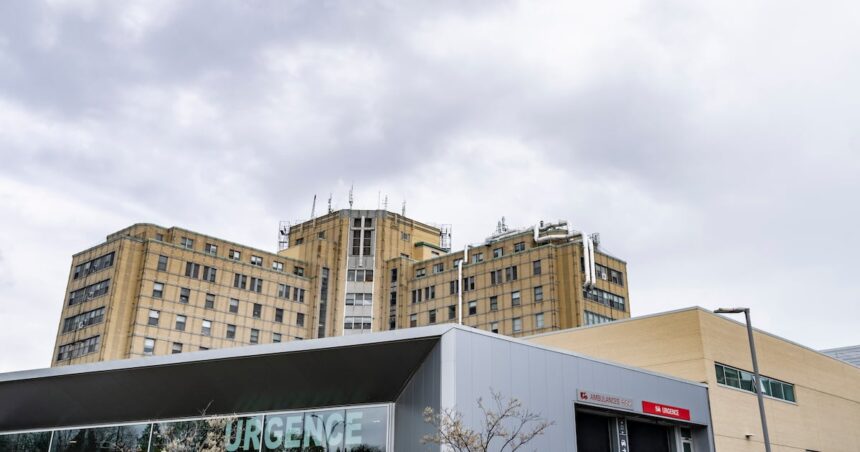

I’ve spent the better part of two decades covering Montreal’s evolving landscape, and few stories resonate quite like healthcare advocacy. There’s something profoundly human about watching communities rally for better medical services. This week, that energy is palpable around Maisonneuve-Rosemont Hospital.
A coalition of healthcare professionals and community advocates is pushing Quebec to finally begin expansion work at the facility. The message is clear and urgent. Montreal’s eastern neighborhoods need more medical infrastructure, and they need it now.
The hospital currently serves a massive population across several boroughs. Hochelaga-Maisonneuve, Rosemont, Anjou, and surrounding areas all rely on this institution. But the building simply wasn’t designed for today’s demographic reality. Walking through those corridors during peak hours tells the story better than statistics ever could.
Quebec announced funding for this expansion years ago. The plans have been drawn, reviewed, and approved. Yet construction equipment remains noticeably absent from the site. This delay frustrates healthcare workers who witness overcrowding daily. It bewilders residents who assumed shovels would hit ground long ago.
The coalition includes nurses, physicians, and union representatives. These aren’t outsiders making demands. They’re people who work within these walls every single day. Their perspective carries weight because they understand the operational challenges intimately. They’ve seen emergency rooms overflow. They’ve watched patients wait far too long for care.
Community organizations have joined this advocacy effort as well. Neighborhood associations recognize how crucial this expansion is for local families. Accessible healthcare shouldn’t require crossing the entire city. East-end Montrealers deserve world-class medical services in their own backyard.
I spoke with several healthcare workers off the record last month. Their accounts painted a troubling picture of resource strain. One emergency nurse described managing patient loads that would have seemed impossible a decade ago. Another mentioned equipment shortages that force difficult triage decisions. These aren’t acceptable conditions for Canada’s second-largest city.
The expansion plans include additional emergency capacity and more specialized treatment areas. New surgical suites would reduce wait times for procedures. Expanded diagnostic imaging facilities would speed up crucial test results. Each component addresses specific gaps in current service delivery.
Quebec’s healthcare system faces enormous pressure across all regions. I understand that provincial officials must balance competing priorities. Montreal alone has multiple hospitals requesting infrastructure investments. But Maisonneuve-Rosemont serves a particularly vulnerable population with significant healthcare needs.
Demographic data supports the coalition’s urgency. The eastern boroughs include many seniors aging in place. These residents require more frequent medical interventions than younger populations. The area also includes diverse immigrant communities, families with young children, and working-class neighborhoods. All these groups depend heavily on accessible public healthcare.
The coalition has organized public meetings to build grassroots support. These gatherings have drawn impressive attendance numbers. Residents share personal stories about emergency room experiences. They describe anxiety about accessing timely care. They question why approved projects languish without explanation.
Local politicians have amplified these concerns at provincial levels. Several MNAs representing east-end ridings have publicly backed the expansion timeline. They’ve raised questions during National Assembly sessions. They’ve requested detailed explanations for construction delays. Political pressure is mounting alongside community advocacy.
Construction delays create more than just frustration. They have real medical consequences for real people. Emergency departments operating beyond capacity cannot deliver optimal care. Overworked staff face burnout that threatens retention. Patients experience longer waits that can worsen health outcomes.
The province invested considerable resources in planning this expansion. Architectural firms completed detailed designs. Engineers assessed structural requirements. Budget allocations were announced with appropriate fanfare. Walking away from that investment now makes little fiscal or medical sense.
I’ve covered enough infrastructure stories to recognize common delay patterns. Regulatory approvals sometimes take longer than anticipated. Budget revisions require additional government scrutiny. Contractor negotiations can stall over unexpected complications. But transparent communication about these challenges would ease community concerns significantly.
Quebec recently announced healthcare investments in other regions. These projects address genuine needs and deserve support. However, the optics become problematic when previously approved Montreal projects remain stalled. It creates an impression that eastern neighborhoods rank lower in provincial priorities.
The coalition isn’t requesting new commitments. They’re simply asking Quebec to honor existing promises. Start the construction that was already approved. Follow through on plans that were already funded. Deliver the expansion that communities were already counting on.
Healthcare infrastructure represents long-term investment in population wellbeing. These aren’t luxury amenities. They’re essential services that determine quality of life. Montreal’s eastern boroughs have waited patiently for improvements that should have begun already.
I remain cautiously optimistic that provincial officials will respond constructively. The coalition’s advocacy is organized, persistent, and grounded in legitimate needs. Community support continues growing. Political attention keeps intensifying. These factors typically produce results eventually.
Walking past Maisonneuve-Rosemont Hospital last week, I imagined what the expanded facility could become. Modern emergency departments providing faster care. New surgical wings reducing wait lists. Enhanced diagnostic services catching diseases earlier. That vision should motivate everyone involved to accelerate this project.
Montreal deserves healthcare infrastructure matching its status as a major Canadian city. Every neighborhood deserves access to excellent medical services. The coalition’s advocacy reminds us that healthcare equity requires constant attention and community voice.
The ball sits firmly in Quebec’s court now. Announce a construction timeline. Break ground on this long-promised expansion. Show eastern Montreal that their healthcare needs genuinely matter.