

Article – The province just dropped a bombshell on Calgary’s city hall, and frankly, it’s about time someone asked the tough questions. Alberta’s government announced it will launch a formal investigation into our city’s catastrophic water failures over the past year. For anyone who lived through last summer’s boil water advisories and infrastructure nightmares, this news likely feels overdue.
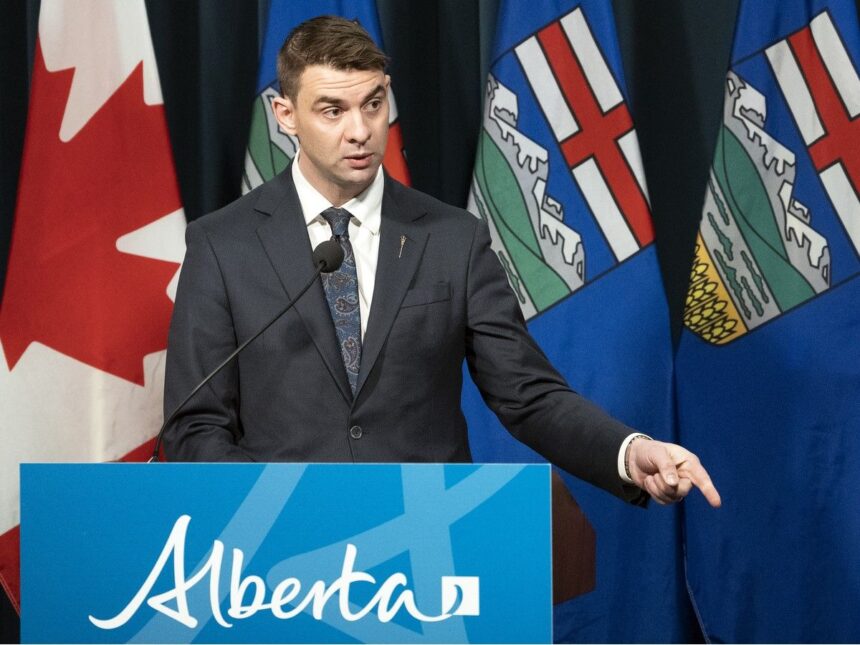
Municipal Affairs Minister Ric McIver made the announcement with language that didn’t mince words. The province wants answers about how Calgary managed its water system so poorly that thousands of residents were left scrambling. I’ve covered city politics for nearly two decades, and I can’t remember the last time provincial oversight descended on municipal operations with this kind of force.
The investigation will examine the Bearspaw feeder main rupture that paralyzed our water supply last June. That crisis forced sweeping water restrictions across the city. Restaurants stopped serving tap water. Car washes shut down completely. Residents couldn’t water their lawns for weeks during prime summer weather. The city asked Calgarians to cut water use by thirty percent, and somehow we managed it.
But here’s what really sticks in my craw about this whole mess. City officials knew about the aging infrastructure problems for years. Maintenance reports dating back to 2019 flagged concerns about the feeder main’s condition. Yet somehow, the urgency never translated into preventative action. Now taxpayers are footing a repair bill that could have been significantly smaller with proactive planning.
The provincial probe will also scrutinize Calgary’s response protocols once the crisis hit. Emergency management procedures came under fire from residents who felt blindsided by the severity of restrictions. Communication from the city felt scattered and inconsistent during those first critical days. Some neighborhoods received conflicting information about whether water was safe to drink.
Mayor Jyoti Gondek has publicly welcomed the investigation, stating the city has nothing to hide. That’s the right political move, though I suspect some administrators are sweating bullets right now. Transparency sounds great until investigators start combing through budget allocations and maintenance schedules that tell a different story than public statements.
City council approved a emergency infrastructure plan in September worth approximately four hundred million dollars. The funding targets aging water mains across Calgary that pose similar rupture risks. Council members emphasized their commitment to preventing future crises. But the question remains whether this represents genuine reform or political damage control.
What frustrates longtime Calgarians is the pattern we’ve seen before. A crisis emerges, politicians promise accountability, then public attention fades before meaningful change happens. The provincial investigation might actually break that cycle. External oversight carries weight that internal reviews simply don’t. Municipal employees can’t sweep uncomfortable findings under the rug when provincial auditors are watching.
The investigation timeline hasn’t been finalized yet, but McIver indicated findings could take several months to compile. His department will examine financial records, maintenance logs, and internal communications from Calgary’s water services division. Independent engineers will assess whether the city followed industry best practices for infrastructure management.
Some city councilors are already positioning this as political theater from a provincial government looking to embarrass Calgary’s progressive leadership. There might be some truth to that cynicism. The United Conservative Party government hasn’t exactly hidden its frustrations with how Calgary operates. But broken water mains don’t care about partisan politics, and neither should accountability measures.
Calgary’s water infrastructure serves over one million residents. The Bearspaw feeder main alone supplies water to significant portions of the northwest and downtown core. When critical systems like this fail, the economic disruption extends far beyond inconvenience. Businesses lost revenue. Construction projects faced delays. The hospitality industry took a hit during peak tourist season.
I spoke with several small business owners in Kensington last fall who were still calculating losses from the water crisis. One cafe owner told me her revenue dropped forty percent during the restrictions because customers assumed she was closed. Another restaurant operator said his water bill actually increased due to mandatory testing protocols. These aren’t abstract policy failures. They’re real financial impacts on working Calgarians.
The province’s investigation will likely examine whether Calgary violated any regulatory requirements for municipal water management. Alberta has specific standards that cities must meet for infrastructure maintenance and emergency preparedness. If investigators find the city fell short of those obligations, serious consequences could follow. We might see mandated oversight or even financial penalties.
What I find most compelling about this investigation is its potential to reshape how Alberta’s cities approach infrastructure planning. Calgary isn’t alone in facing aging water systems. Edmonton, Lethbridge, and Red Deer all have similar challenges looming. The findings from this probe could establish precedents that affect municipal operations province-wide.
City administration has already started implementing changes ahead of the investigation’s conclusions. New monitoring systems went online last month to detect pressure irregularities in major water mains. The city hired additional engineering staff focused exclusively on preventative infrastructure assessment. These moves suggest officials recognize the severity of their oversight failures.
But institutional change requires more than new hires and monitoring equipment. It demands cultural shifts in how municipalities prioritize long-term infrastructure over short-term budget concerns. Politicians love cutting ribbons on new recreation centers. Nobody campaigns on sewer main replacements. Yet those unglamorous investments are what keep cities functioning.
The provincial investigation represents a reckoning Calgary probably needs, even if it stings municipal pride. Our water crisis exposed systemic problems that internal reviews would likely soft-pedal. External accountability brings uncomfortable questions that lead to better governance. Sometimes you need someone from outside to point out the emperor has no clothes.
I’ll be watching closely as this investigation unfolds over the coming months. The findings will tell us whether Calgary’s water failures resulted from bad luck, poor planning, or something worse. More importantly, they’ll determine whether we learn from this crisis or simply wait for the next infrastructure catastrophe.
Calgarians deserve water they can trust and systems that work. That shouldn’t be too much to ask from one of Canada’s wealthiest cities.