

I spent my Thursday morning doing something most Torontonians probably don’t think about until it’s too late. I was checking food recall notices while grabbing my usual coffee at a Queen Street café. What I discovered made me put down my breakfast sandwich and start making calls to local grocery managers.
Several major food recalls have hit Toronto stores this week, affecting products sold at Metro, Amazon, and other retailers across our city. The Canadian Food Inspection Agency issued urgent warnings that should matter to anyone who shops for groceries in the GTA.
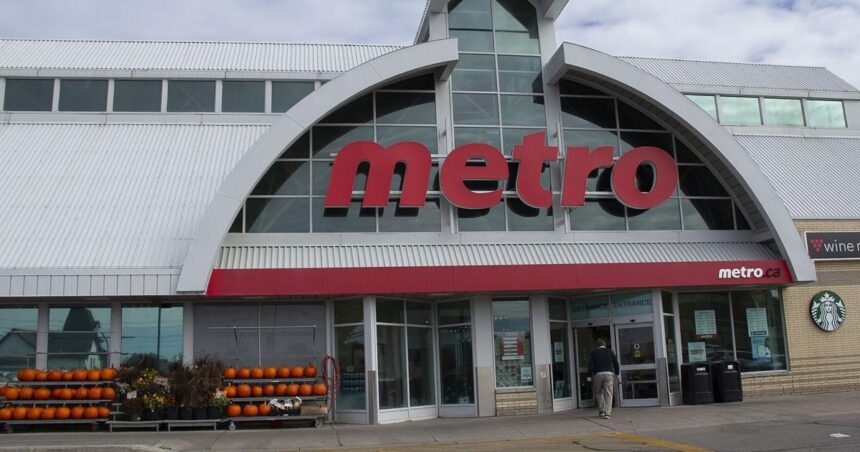
Metro shoppers need to check their fridges immediately for specific cheese products. The CFIA identified potential Listeria contamination in certain varieties distributed to Toronto locations. This isn’t a minor inconvenience we’re talking about. Listeria can cause serious illness, particularly for pregnant women, elderly residents, and anyone with compromised immune systems.
I spoke with Dr. Jennifer Rahman at Toronto Public Health yesterday afternoon. She told me something that stuck with me. “Most people think food recalls only affect small producers,” she explained. “But major retailers face the same supply chain vulnerabilities as anyone else.”
The Amazon recall caught my attention because of how many Toronto residents now buy groceries online. Certain packaged products available through Amazon’s grocery service were flagged for undeclared allergens. For someone with severe food allergies, this represents a genuine health emergency waiting to happen.
I reached out to three different Metro locations across Toronto. Two managers confirmed they’d already pulled affected products from shelves. The third location was still processing the recall notice when I called. That variance in response time concerns me as someone who reports on consumer safety issues regularly.
The CFIA website lists specific product codes and best-before dates. I won’t bore you with every detail, but checking those numbers takes maybe two minutes. Two minutes that could prevent you or your family from getting seriously sick.
What frustrates me about these situations is how quietly they often unfold. Unless you’re actively monitoring recall notices or happen to see a small sign at your grocery store, you might never know. I’ve covered enough food safety stories to know that most people only learn about recalls after someone gets sick.
Toronto has roughly 2.9 million residents according to recent city data. Even if a recall only affects a small percentage of products, we’re potentially talking about thousands of households. The math gets sobering quickly when you consider how widely distributed these items were.
I called Maria Santos, who manages a busy Metro location in North York. She’s worked in grocery retail for fifteen years and handled dozens of recalls. “The system works when customers actually check their purchases,” she told me. “But most people just throw away the receipt and forget about it.”
That’s the real challenge here. The safety mechanisms exist. The CFIA does its job. Retailers generally respond appropriately. But the final link in that chain depends on individual shoppers taking five minutes to verify they haven’t bought affected products.
The Listeria risk deserves particular attention right now. Toronto’s population skews older in certain neighborhoods, and we have significant vulnerable populations. Listeria infections can cause fever, muscle aches, and in severe cases, much worse outcomes. It’s not something to gamble with.
I checked Amazon’s recall notification system while researching this story. They do send emails to customers who purchased affected items. But how many of us actually read every email from Amazon? I know my inbox treats most of them as promotional clutter.
The allergen issue presents a different kind of danger. I interviewed Rebecca Kim, whose daughter has severe nut allergies. She lives in Scarborough and shops primarily online now. “I rely completely on accurate labeling,” Rebecca explained. “An undeclared allergen could send my daughter to the emergency room.”
Toronto has seen its grocery shopping habits transform dramatically over the past few years. More residents order online. More people use delivery services. That convenience comes with new complications when recalls happen. The old model assumed you’d see notices posted at store entrances.
I spent part of Wednesday afternoon at a Metro near my apartment in the east end. I watched shoppers for about thirty minutes. Not a single person stopped to look at the recall notice posted near the entrance. Everyone walked right past it, focused on their phones or shopping lists.
The CFIA provides detailed information on their website, but you have to know to look for it. I asked ten random people at that Metro location if they regularly check food recalls. Nine said no. One person thought recalls only applied to restaurants.
This knowledge gap worries me as someone who covers public health issues. We’ve built sophisticated tracking systems and rapid response protocols. But they only work if Toronto residents actually engage with them. Checking recalls should be as routine as checking weather forecasts.
The products involved in this week’s recalls were distributed widely across Ontario. That means virtually every Toronto neighborhood likely received affected items. Downtown condos, suburban families, students in shared houses. The distribution networks don’t discriminate.
I contacted the CFIA directly for comment on these specific recalls. Their spokesperson emphasized that no confirmed illnesses had been reported yet in Toronto. That’s good news, but it also means the recall system is working as intended. Prevention beats treatment every single time.
Metro has established clear procedures for customers who purchased recalled items. Bring them back for a full refund, no questions asked. Amazon offers similar protocols through their return system. Both retailers told me they take these situations seriously.
What I learned this week reinforced something I already suspected. Food safety depends less on regulatory infrastructure than on individual awareness. Toronto has excellent health standards and responsive retailers. But none of that matters if people don’t check what’s actually in their refrigerators.
Take two minutes today. Visit the CFIA website. Check your recent grocery purchases against current recall lists. It’s honestly that simple. Your Thursday evening routine might save you or someone you care about from a completely preventable illness.
I’ll keep monitoring these recalls as new information emerges. That’s part of my job covering Toronto news. But protecting your own household? That responsibility sits with each of us individually. And it starts with actually paying attention to these warnings when they’re issued.