
Kurt Oatway knows what it means to fight back. The Calgary sit-skier is heading to the 2026 Paralympics with one clear goal. He wants a medal, and after everything he’s been through, nobody would bet against him.
I’ve covered plenty of comeback stories in this city. Athletes who rebuild after injury. Business owners who rise from bankruptcy. But Oatway’s journey stands apart. This isn’t just about physical recovery. It’s about mental toughness that most of us can’t comprehend.
The 42-year-old lost his legs in a workplace accident back in 2006. Most people would call that a tragedy and move on with sympathy. Oatway saw it differently. He found sit-skiing and transformed himself into one of Canada’s best adaptive athletes.
His first Paralympic appearance came in 2010 in Vancouver. The home crowd cheered. The pressure was intense. He didn’t medal then, but he kept going. That’s the thing about Oatway that impresses me most. He doesn’t give up when things get hard.
The road to 2026 hasn’t been smooth. Oatway faced setbacks that would break most competitors. Injuries piled up over the years. Training became harder as his body aged. Younger athletes emerged with fresh legs and new techniques.
But he adapted. He changed his training methods. He worked with sports scientists and physiotherapists across Calgary. The support network he built here became crucial to his survival in the sport.
Canada’s Paralympic program has grown significantly since Oatway first started. Funding increased after strong performances in previous games. Athletes now have access to better equipment and coaching. Oatway benefited from these improvements, but he also helped create them.
His advocacy for adaptive sports in Alberta changed how we view Paralympic athletes. He pushed for better facilities at WinSport. He spoke at schools and community centers throughout Calgary. He made people understand that Paralympic sport isn’t charity. It’s elite competition.
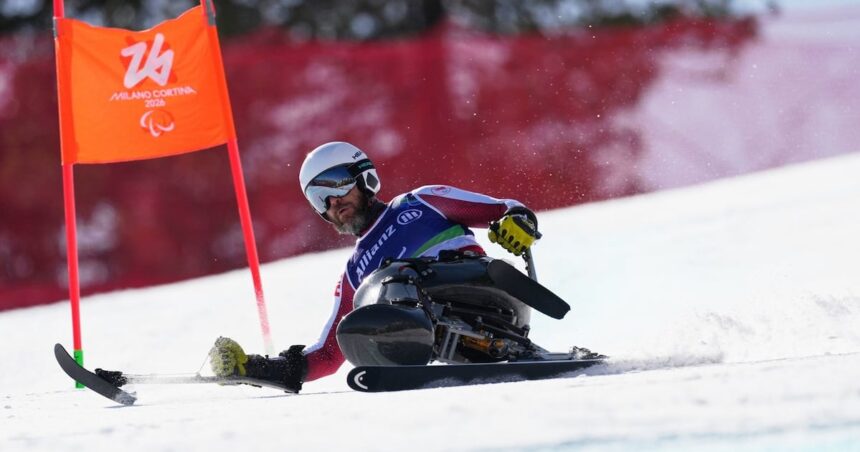
The technical aspects of sit-skiing are fascinating. Athletes use specialized equipment that costs thousands of dollars. The skis attach to a molded seat. Outriggers in each hand provide balance and turning power. Speed can exceed 100 kilometers per hour on downhill courses.
Oatway mastered these technical demands through obsessive practice. He spent countless hours at Nakiska and other Alberta ski hills. Local coaches told me he’s one of the most dedicated athletes they’ve worked with. His attention to detail borders on perfectionism.
The 2026 Paralympics in Milan and Cortina present unique challenges. The Italian courses are known for technical difficulty. They require precision and aggressive skiing. Oatway has been studying video of the runs for months.
His main competition comes from Austria, Germany, and the United States. These countries have dominant Paralympic ski programs. They invest heavily in athlete development. Canada punches above its weight, but the gap remains real.
Oatway’s age could be a factor. At 42, he’s older than most competitors in his classification. Recovery takes longer now. Training injuries linger. But experience counts for something in high-pressure situations.
I spoke with several Calgary sports physicians about athletic performance in your forties. They confirmed what you’d expect. Physical peak happens earlier. But mental strength and tactical awareness improve with age. Oatway brings both to the table.
His family has been instrumental throughout this journey. His wife and kids understand the sacrifices required. Training camps mean time away from home. Injuries mean stress on everyone. They’ve stood by him through it all.
The Calgary community has rallied around Oatway too. Local businesses sponsor his training. Schools invite him to speak. Kids see him as a hero. That support matters when you’re grinding through another painful workout.
Funding remains a challenge for Paralympic athletes. Unlike NHL players or CFL stars, they don’t earn big salaries. Oatway relies on grants and sponsorships. He works part-time jobs to make ends meet. The financial pressure adds stress to athletic pressure.
Canadian Paralympic Committee officials have praised Oatway’s commitment. They see him as a leader within the team. Younger athletes look to him for guidance. He takes that responsibility seriously.
The mental preparation for Paralympics is intense. Sports psychologists work with athletes on visualization and stress management. Oatway uses these techniques daily. He pictures himself on the podium. He imagines the weight of a medal.
Training intensified over the past year. Oatway increased his gym work to build upper body strength. He refined his technique on the slopes. He studied his competitors’ patterns. Every detail matters at this level.
Weather conditions will play a role in Milan. March skiing can be unpredictable. Warm temperatures affect snow quality. Oatway has trained in various conditions to prepare. He’s skied in slush and ice. He knows how to adapt.
The classification system in Paralympic skiing ensures fair competition. Athletes compete against others with similar disabilities. Oatway’s classification puts him against sit-skiers with comparable function levels. The playing field is remarkably level.
His event schedule includes slalom, giant slalom, and super-G. Each discipline requires different skills. Slalom demands quick turns and agility. Super-G needs speed and courage. Oatway trains for all three seriously.
Calgary has produced many Olympic and Paralympic athletes over the years. The 1988 Winter Olympics left a lasting legacy here. Facilities like the Oval and WinSport emerged from that event. Oatway benefits from infrastructure built decades ago.
The local adaptive sports community has grown around athletes like Oatway. Programs now exist for kids with disabilities to try skiing and other sports. He’s inspired a generation of young Calgarians to pursue athletic dreams.
I’ve watched this city embrace Paralympic sport more each year. Coverage has improved. Public interest has grown. People now understand these athletes train just as hard as Olympians. Oatway helped change those perceptions.
One medal. That’s what he’s after. Gold would be incredible. Silver or bronze would still represent triumph. After 20 years of adaptive sport, after countless setbacks, a Paralympic medal would validate everything.
The odds are tough. International competition is fierce. But Oatway has overcome long odds before. He’s built a career on proving doubters wrong. Why should the Paralympics be any different?
Calgary will be watching when he takes his run. Friends, family, and supporters will gather around screens. The entire adaptive sports community will hold its breath. Oatway carries their hopes with him.
Whatever happens in Italy, his legacy is secure. He’s changed lives through his advocacy and example. He’s shown that disability doesn’t mean limitation. He’s proven that age is just a number when passion drives you.
But I know Kurt Oatway. He’s not thinking about legacy right now. He’s thinking about one thing only. That medal. That moment on the podium. That validation of two decades of work.
And honestly, I wouldn’t bet against him.