
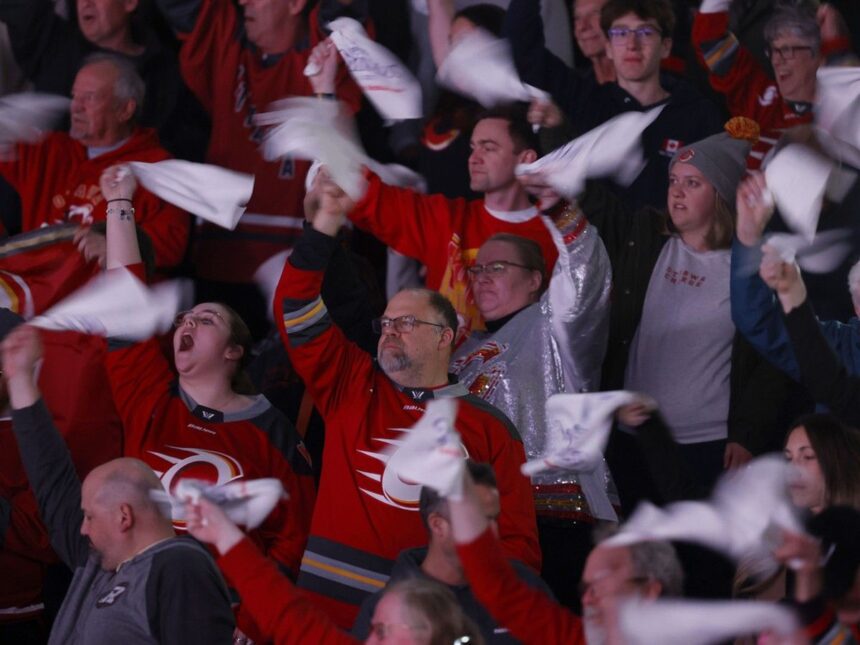

The buzz around the Canadian Tire Centre has shifted from playoff hopes to something far more unsettling for Ottawa sports fans. Whispers of relocation have grown louder in recent months, forcing conversations nobody wants to have but everyone seems braced for.
I’ve covered this city’s sports scene for years now. Walking through Kanata on game nights used to feel electric. Fans streaming toward the arena, jerseys everywhere, that particular energy only playoff hockey brings. Lately though, something feels different. The conversations at coffee shops and community centers have changed tone.
The Canadian Tire Centre sits far from downtown, a geographic reality that’s been both blessing and curse since it opened. Parking is abundant, sure. But getting there requires commitment. Transit connections remain challenging despite various proposals over the years. Fans from Gatineau, Orleans, or even central Ottawa face real barriers attending weeknight games.
“Accessibility has always been our Achilles heel,” one longtime season ticket holder told me recently. She asked not to be named but her frustration was palpable. “I love this team, but two hours round trip on a Tuesday night? It’s exhausting.”
The National Capital Commission released data last year showing attendance patterns across major Ottawa venues. Sports events at suburban locations consistently underperformed compared to downtown cultural attractions. The numbers don’t lie, even when we wish they would.
Recent financial reports paint a concerning picture for teams playing at Kanata’s arena. Revenue streams have tightened. Corporate sponsorships, once reliable, now come with more conditions and shorter commitments. The pandemic accelerated trends that were already troubling for suburban sports venues across Canada.
LeBreton Flats keeps coming up in these discussions. The undeveloped land sits right downtown, tantalizing close to Parliament Hill. Multiple development proposals have collapsed there over the years. Legal battles, financing disputes, partnership breakdowns. I’ve reported on each failed attempt, watching hope turn to cynicism among community members.
But something shifted in 2023. The NCC opened new consultations about LeBreton’s future. City officials suddenly started using different language around downtown arena possibilities. Nobody’s making promises, but the tone changed enough that people noticed.
“We’re examining all options for revitalizing that space,” a city planning official said during a recent council meeting. “Sports and entertainment infrastructure remains part of that conversation.”
Translation: they’re talking. Which doesn’t mean much in Ottawa, where we talk about things for decades. But it’s something.
The economic argument for downtown relocation keeps getting stronger. Tourism Ottawa released studies showing how integrated sports venues boost restaurant revenue, hotel bookings, and retail activity. Montreal’s Bell Centre demonstrates this perfectly. Game nights transform entire neighborhoods into bustling economic zones.
Kanata businesses benefit from arena traffic, absolutely. But the impact stays localized and predictable. Downtown venues create different economic ripples. Fans arrive earlier, stay later, spend more broadly. The multiplier effect reaches further.
Local business owners downtown have watched other cities capitalize on this model. “We see what happens in Toronto, Montreal, even smaller markets,” one Elgin Street restaurant owner mentioned. “Game nights could transform our winter weekdays completely.”
Transportation infrastructure presents the clearest argument for relocation. Ottawa’s LRT system, troubled as it’s been, connects downtown far better than any transit solution could reach Kanata. Fans from across the region could actually take trains to games. Imagine that novelty.
The Confederation Line stops at Pimisi Station, walking distance from LeBreton Flats. The proximity isn’t coincidental. Urban planners have envisioned entertainment anchors there for years. Getting thousands of people to and from events becomes manageable when proper transit exists.
But relocation faces enormous obstacles beyond just logistics and money. The Canadian Tire Centre is only about 27 years old. It’s not ancient by arena standards. Someone owns that building, holds debt against it, has contractual obligations attached to it. Untangling those agreements would require serious legal and financial gymnastics.
Kanata residents understandably resist losing their major entertainment anchor. The arena brought jobs, prestige, and activity to their community. Taking that away feels like betrayal to people who built their lives around having professional sports nearby.
“We’re not just some parking lot,” a Kanata community association representative said during a recent meeting I attended. “This arena is part of our identity now.”
Fair point. Geography shapes identity in ways we don’t always acknowledge. Kanata built itself partly around being Ottawa’s sports hub. Losing that changes the community’s character fundamentally.
The 2023 discussions remain preliminary. No official relocation announcements have been made. Team ownership groups keep their cards close. City officials speak carefully, aware that premature promises create problems.
What I’ve learned covering Ottawa politics is this: change happens slowly here until suddenly it doesn’t. Proposals circulate for years, seemingly going nowhere. Then conditions align, decisions get made, and everything shifts fast.
The transportation committee recently allocated funds for studying LeBreton development options. Small budget item, easy to miss. But those studies precede bigger decisions. Government doesn’t spend money examining options it won’t consider seriously.
Fans remain divided. Younger supporters generally favor downtown relocation. Better nightlife, easier access, more energy. Suburban families with kids appreciate Kanata’s accessibility and parking. Both groups have legitimate perspectives.
“I just want to watch hockey without it becoming my whole evening,” one fan told me. He lives in Barrhaven, equidistant from both locations roughly. “Wherever makes that easier, I’m there.”
The next few years will prove decisive. Lease agreements eventually expire. Infrastructure needs upgrades regardless of location. Federal and provincial governments hold significant influence through funding and land control.
Ottawa deserves a sports venue that serves the entire region effectively. Whether that’s upgrading Kanata’s connections or building downtown remains genuinely uncertain. What’s clear is that the conversation has moved past whether change is needed. Now we’re just negotiating what that change looks like.
I’ll keep covering these developments as they unfold. Because this isn’t just about sports. It’s about how our city grows, who it serves, and what kind of capital region we’re building for the next generation.