

The clock’s ticking on one of the biggest energy deals Alberta and Ottawa have tried to strike in years. We’ve got 11 days left before April 1, and folks are watching closely to see if both sides can actually pull this off.
I’ve covered energy stories in this city for more than a decade. This particular memorandum of understanding feels different. There’s genuine momentum here, something I haven’t seen in federal-provincial energy negotiations for a long time. Maybe it’s the global energy crisis. Maybe it’s just good timing. Either way, the pressure’s on.
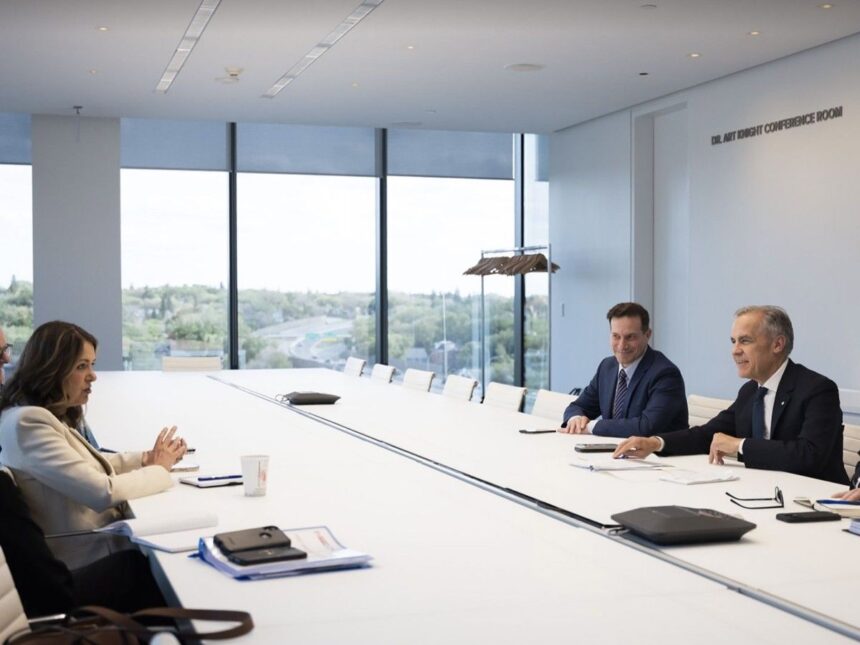
Premier Danielle Smith said Wednesday that officials from both governments met this week. She’s clearly hoping to avoid dragging this process out much longer. The sooner everyone knows the rules, the sooner Alberta can move forward with major projects. That’s the pragmatic approach this deal needs.
According to government sources, negotiators are “very close” on a methane reduction agreement. This could be announced as early as next week. The target is ambitious: cutting industry methane emissions by 75 per cent from 2014 levels by 2035. That’s a massive undertaking for Alberta’s oil and gas sector.
Ottawa announced enhanced methane regulations back in December. Those federal rules would lower oil and gas methane emissions across Canada by 72 per cent below 2012 levels by 2030. Now the question becomes how Alberta’s approach aligns with federal expectations while maintaining provincial authority.
Tristan Goodman leads the Explorers and Producers Association of Canada. He told reporters Friday that the province needs to maintain control over how it reaches that methane reduction outcome. The difference in approach could mean hundreds of millions, even billions of dollars for industry. Getting there pragmatically matters just as much as the final number.
Earlier this month, both governments announced their first deal under this larger energy umbrella. That agreement focused on environmental and impact assessments for major projects. The goal is reducing duplicate reviews that have historically slowed development. One down, three agreements to go.
The second piece involves Alberta’s industrial carbon pricing system. We call it the Technology Innovation and Emissions Reduction framework, or TIER for short. Both sides agreed Alberta will increase its industrial carbon price to an effective $130 per tonne for heavy emitters. The upcoming understanding should nail down when that price actually kicks in.
The third and probably trickiest agreement involves the proposed Pathways carbon capture and storage network. This one’s complicated because it requires a trilateral deal between Ottawa, Alberta and the Oil Sands Alliance. Major oilsands producers have worked on this decarbonization project for more than five years.
Suncor Energy, Canadian Natural Resources, Imperial Oil, Cenovus Energy and ConocoPhillips Canada make up that alliance. Their plan calls for building a 400-kilometre pipeline connecting multiple oilsands facilities to an underground carbon dioxide storage hub near Cold Lake. If approved, it would be one of the world’s largest carbon capture networks.
The producers haven’t made a final investment decision yet. They’ve been clear about needing more government incentives to proceed with the $16.5-billion development. Ottawa created an investment tax credit covering up to half of capital expenses. Alberta’s providing a 12 per cent grant to carbon capture developments. Industry’s still negotiating for more support.
Smith acknowledged the Pathways agreement might take a bit longer than April 1. “We’re going to continue working toward that April 1 target date,” she said. “It might take us a little bit longer on the particulars around the agreement with Pathways.”
Federal Natural Resources Minister Tim Hodgson spoke in Calgary last month. He said Ottawa has “every intention of hitting those deadlines.” That’s reassuring, though I’ve heard similar promises before that didn’t pan out. We’ll see if this time is different.
Alberta’s aspirations for a new bitumen pipeline to the BC coast depend heavily on Pathways moving forward. That pipeline is a key component of the broader memorandum. The logic is straightforward: decarbonize oilsands output first, then build new export infrastructure. It’s a package deal.
The energy landscape has shifted dramatically since late November when both sides signed this memorandum. The United States is bringing more Venezuelan oil to Gulf Coast refineries. The ongoing war in the Middle East continues affecting global markets. West Texas Intermediate crude closed Friday at $96.56 per barrel. Global liquefied natural gas prices have been soaring.
Richard Masson used to run the Alberta Petroleum Market Commission. He said Friday that Canada has an obligation now to step up and provide more energy to the world. We can’t help quickly, but we can certainly do a lot in the medium term if we allow ourselves. That’s what this memorandum should focus on.
Gitane De Silva previously led the Canada Energy Regulator. She now runs GDStrategic and knows these files inside out. De Silva told me the timelines in this memorandum are incredibly ambitious. That ambition speaks to all parties wanting to capitalize on momentum they’ve created together.
She’s right that hitting the sweet spot matters. Show continued progress because markets need certainty before investing. Companies want to know what the rules are before committing billions of dollars.
Honestly, I don’t think missing the April 1 deadline by a few days or even weeks would be catastrophic. What matters more is getting these agreements right. Rushing through details just to hit an arbitrary deadline could create problems down the road.
Calgary’s energy sector has been through enough false starts and broken promises. We need agreements that actually work, not just ceremonial signings that fall apart during implementation. The momentum is real this time. Both governments seem genuinely committed to making this happen.
Walking around downtown Calgary lately, there’s a cautious optimism among energy executives I talk to. They’ve been burned before by federal-provincial disputes. But this memorandum feels different. There’s substance behind the announcements.
The next two weeks will tell us a lot about whether this energy pact delivers real results or becomes another missed opportunity. I’m hoping for the former. Alberta and Canada both need this to work.