

I’ve been following court proceedings in this city for nearly two decades now. Some cases stay with you longer than others. The Serge Audette trial feels different somehow.
Friday brought closing arguments in a case that sat dormant for almost three decades. Audette stands accused of manslaughter in Patricia Ferguson’s 1996 death. The young mother was just 23 when she disappeared from Pointe-aux-Trembles.
This case only resurfaced because of persistence. A Noovo Info documentary series asked difficult questions about the original police investigation. Sometimes journalism becomes part of the story itself.
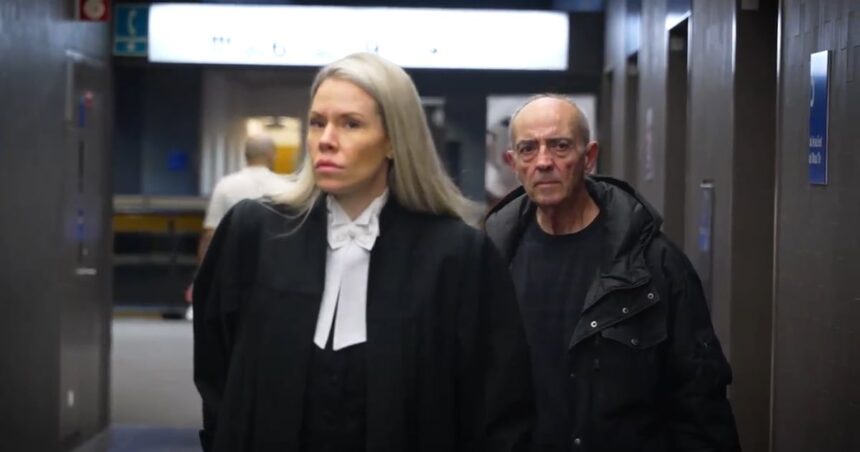
Defence attorney Kristina Markovic argued Friday that reasonable doubt exists regarding her client’s guilt. She pointed to fading memories and limited concrete evidence. Noovo Info reported her statements to the court.
Markovic told the judge that time itself “weakens the evidence” in this case. Witness memories from the 1990s may have changed over the years. This affects how reliable their testimony can be.
The defence highlighted contradictions in witness statements during the trial. Proceedings began back on January 19 and stretched across weeks. Each session revealed new complexities.
One witness came under particular scrutiny from the defence. Audette’s former cellmate claimed he received a confession from the accused. Markovic challenged this testimony as unreliable. She also noted the absence of physical evidence connecting her client to the crime.
The Crown maintained its position that Audette killed Ferguson. Prosecutors cited similar crimes he committed in previous years. His criminal history includes multiple sexual assaults from the 1980s and 1990s.
Audette remained mostly expressionless throughout the trial proceedings. Friday proved different. He appeared visibly irritated when Crown prosecutors suggested his physical stature made strangling Ferguson feasible.
This trial almost didn’t happen at all. Last January, Audette’s legal team requested a stay of proceedings. They alleged police used “disproportionate methods” obtaining evidence. A judge denied that motion.
The courtroom heard testimony from several key witnesses during the trial. Sabrina Ferguson took the stand to speak about her mother. I can’t imagine what that must feel like.
Another crucial witness was Audette’s former cellmate. His identity remains protected by publication ban. His testimony became central to both prosecution and defence arguments.
Ferguson’s disappearance in 1996 received minimal media coverage at the time. The case simply faded from public consciousness. Montreal was different then in many ways.
Everything changed in 2022 when new information emerged. Private investigator work combined with journalism by Marie-Christine Bergeron brought fresh attention. Their findings appeared in “L’appartement 5,” a true-crime documentary on Crave.
That documentary sparked action from Montreal police. They assembled a team and returned to Pointe-aux-Trembles searching for overlooked clues. Sometimes old cases need new eyes.
June 12, 2023 marked a turning point. Police announced Audette’s arrest and charged him with manslaughter. The wheels of justice finally began turning again.
Audette carries the designation of dangerous offender. This classification stems from previous convictions involving sexual assaults. His criminal record spans decades of documented offences.
Cold cases present unique challenges for our justice system. Witnesses struggle to recall details from years past. Physical evidence deteriorates or disappears entirely. Documentation gets lost in storage.
Yet families deserve answers regardless of how much time passes. Sabrina Ferguson grew up without knowing what happened to her mother. That uncertainty weighs heavily across generations.
The Pointe-aux-Trembles neighbourhood where Ferguson lived has changed considerably since 1996. New developments replaced older buildings. Different families occupy those streets now.
I’ve walked through that area researching various stories over the years. It’s hard reconciling the present landscape with events from three decades ago. Memory and place don’t always align.
Documentary journalism played an undeniable role resurrecting this investigation. Marie-Christine Bergeron’s work demonstrates how persistent reporting serves public interest. Questions needed asking even after so many years.
The collaboration between private investigation and journalism proved effective here. Different skills and perspectives combined to uncover overlooked information. This partnership model deserves recognition.
Montreal police deserve credit for reopening the case based on documentary findings. Not every police department welcomes outside scrutiny of past investigations. Institutional pride sometimes blocks progress.
The judge now faces difficult decisions weighing decades-old testimony against current legal standards. Reasonable doubt must be considered carefully in cases built on aged evidence.
Markovic raised valid concerns about memory reliability over extended timeframes. Psychological research confirms that human memory proves fallible and subject to alteration. This scientific reality complicates prosecutions of historical crimes.
The Crown’s strategy connecting past criminal behaviour to this specific allegation follows established legal precedent. Pattern evidence carries weight in courtrooms. Yet each case must stand on its own merits.
Audette’s courtroom demeanour throughout the trial suggests someone familiar with legal proceedings. His criminal history means extensive prior court experience. That familiarity shows in his composure.
Friday’s visible irritation marked a departure from his usual stoicism. Sometimes small emotional responses reveal more than sustained silence. Prosecutors likely noted that reaction.
The absence of physical evidence presents obvious challenges for conviction. Modern forensics require tangible proof connecting suspects to crimes. Testimony alone rarely suffices in serious cases.
Yet successful prosecutions of cold cases do occur despite evidence limitations. Juries and judges sometimes convict based primarily on witness accounts. Each situation depends on credibility assessments.
This trial’s outcome will impact how Montreal police approach other cold cases. Success might encourage more reopened investigations. Failure could discourage similar efforts.
Ferguson’s family has waited nearly thirty years for answers. That patience deserves respect regardless of trial outcomes. Justice delayed often feels like justice denied.
The judge will now deliberate before rendering a verdict. No timeline was announced for that decision. Complex cases require thorough consideration.
Montreal’s legal community watches this case closely. Cold case prosecutions remain relatively uncommon. The precedents established here will influence future investigations.
I’ll continue following this story as it develops. Some cases demand attention beyond typical news cycles. Patricia Ferguson’s memory deserves that commitment.