

Every spring in Ottawa, I watch the same scenario unfold across neighborhoods. Basements flood. Homeowners scramble. The stress becomes overwhelming. After years covering community stories, I’ve learned these disasters are often preventable.
Ryan Branton recently appeared on CTV’s Your Morning Ottawa sharing practical advice. His timing couldn’t be better. Ottawa’s unpredictable weather creates perfect conditions for basement flooding. Temperatures swing wildly between warm and cold. Ice forms. Water backs up. Homes suffer damage.
I’ve interviewed countless families dealing with flood aftermath. The financial burden is crushing. The emotional toll is worse. What strikes me most is how simple prevention steps could have changed everything.
Understanding Downspout Management
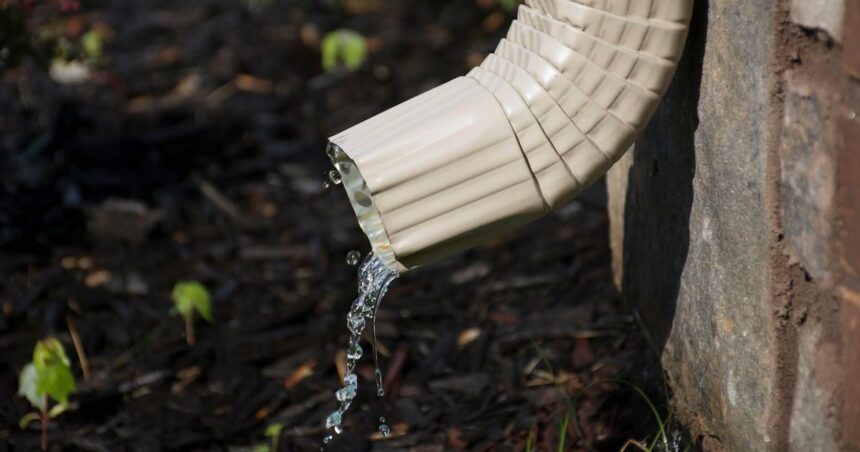
Branton emphasized checking downspouts regularly during temperature fluctuations. These components carry water away from your home’s foundation. When functioning properly, they protect your basement. When blocked, disaster follows.
Water collects inside downspouts during warmer periods. Temperatures drop overnight. Ice forms and creates blockages. Melting snow and rain have nowhere to go. Water cascades down your foundation wall instead.
“If this freezes up, this water’s going to come down off the roof and go everywhere,” Branton explained during his segment. He’s right. I’ve seen this exact problem destroy finished basements across Ottawa neighborhoods.
For homeowners experiencing frequent freezing, Branton recommends installing heater cables. Wait until seasonal ice melts completely. Then install the cables. This prevents future blockages.
Distance matters tremendously with downspout placement. Water needs to flow far from your foundation. Branton suggests positioning discharge points five or six feet away minimum. Get water completely away from your home’s perimeter.
Walking through Westboro last month, I noticed countless homes with inadequate downspout extensions. Water pooled directly beside foundations. These homeowners are setting themselves up for expensive problems.
Maintaining Proper Grading Around Your Foundation
Ground slope determines whether water flows toward or away from your basement. Homes are constructed with intentional grading. Soil slopes downward from the foundation. Water naturally drains away.
Deck installations often compromise this critical feature. Homeowners accidentally flatten the grade during construction. The protective slope disappears. Water starts flowing toward the foundation instead.
“Any type of negative slope will create problems,” Branton warned. His expertise comes from years working on Ottawa properties. He’s witnessed grading mistakes cause devastating floods.
Spring renovations are popular across Ottawa communities. Homeowners dream of beautiful new decks. They hire contractors without considering drainage implications. By next winter, their basements are underwater.
The City of Ottawa provides guidelines for maintaining proper grading. Consulting these resources before major landscaping projects prevents costly mistakes. Your foundation depends on correct water flow patterns.
I spoke with a Kanata family last year. They’d installed a gorgeous deck themselves. The following spring brought basement flooding. Fixing the grading cost thousands. Their beautiful deck project turned into a nightmare.
Installing and Maintaining Backwater Valves
Backwater valves prevent water from flowing backward into your home. When sewage or rainwater backs up, internal mechanisms automatically close. Your basement stays protected from flooding.
These devices handle multiple water sources. Sewage backups, weeping tile overflow, and rainwater problems all trigger the valve. Installing one provides comprehensive protection.
Ottawa offers rebates for certain backwater valve installations. The city’s subsidy programs help offset costs. Homeowners should explore available financial assistance before installation.
Regular maintenance keeps backwater valves functioning properly. Branton recommends periodic inspections. Open the valve. Check that mechanisms move freely. Ensure nothing is blocking proper operation.
“It’s not like every Tuesday you get a backup,” Branton noted. His point highlights why vigilance matters. Backups happen unexpectedly. Your valve must work when needed.
One complication deserves attention. When valves close during backups, your household sewage cannot exit either. Water from toilets, sinks, and drains stays trapped inside. Monitor the situation carefully during valve activation.
I covered a story about Barrhaven residents experiencing simultaneous sewer backups. Those with functioning backwater valves avoided disaster. Neighbors without protection faced extensive cleanup costs. The difference was dramatic.
Sump Pump Preparation and Testing
Sump pumps actively push groundwater away from basement floors. During summer, they operate mainly during rainstorms. Winter brings constant activity as groundwater levels rise.
Testing your sump pump before heavy winter demands makes perfect sense. Waiting until it’s needed risks discovering failures too late. Proactive checking prevents emergency situations.
“This thing has to work,” Branton emphasized. He’s absolutely correct. A failed sump pump means immediate flooding. Baskets become swimming pools within hours.
Maintenance requirements are straightforward. Check that the pump activates when water enters the basin. Listen for unusual noises indicating mechanical problems. Ensure discharge lines aren’t frozen or blocked.
I remember interviewing an Orleans homeowner whose sump pump failed during March flooding. They hadn’t tested it since purchasing the house. The pump motor had seized months earlier. Their finished basement sustained fifteen thousand dollars in damage.
The federal government’s climate data shows Ottawa experiencing more extreme weather events. Heavier rainfall. Faster snowmelt. Greater flooding risks. Reliable sump pumps become increasingly critical.
Why Prevention Matters More Than Ever
Ottawa’s weather patterns are changing. Spring flooding events are intensifying. Insurance companies are tightening coverage restrictions. Homeowners bear greater financial responsibility for water damage.
Prevention costs significantly less than repairs. A heater cable runs about fifty dollars. Fixing a flooded basement costs thousands. Proper grading maintenance is even cheaper. The math strongly favors proactive measures.
Beyond financial considerations, emotional impacts deserve recognition. Families lose irreplaceable possessions to flooding. Children’s artwork. Wedding photos. Grandmother’s quilts. No insurance check replaces these items.
Branton’s advice reflects practical wisdom gained from actual fieldwork. He understands Ottawa homes. He’s seen what works and what fails. His recommendations come from real experience, not theoretical knowledge.
Taking action now prevents spring panic. Check your downspouts this weekend. Verify your sump pump operates correctly. Inspect your backwater valve if installed. These simple steps provide tremendous peace of mind.
Ottawa homeowners face legitimate flooding risks every year. Temperature swings create ice blockages. Rapid snowmelt overwhelms drainage systems. Heavy spring rains saturate ground around foundations. Your home needs proper protection against these threats.
I’ve covered enough flooding disasters to know prevention works. Families who follow expert advice sleep better during storms. Their basements stay dry. Their possessions remain safe. The investment of time and modest money pays enormous dividends.