
I stood near a public recycling bin at Queen’s Park last Tuesday. I watched someone carefully separate their Tim Hortons cup from their lunch wrapper. They placed the cup in the blue recycling slot. That effort meant nothing. Their recyclable went straight to the landfill with everything else.
This isn’t just disappointing. It’s a systemic failure happening across Toronto right now.
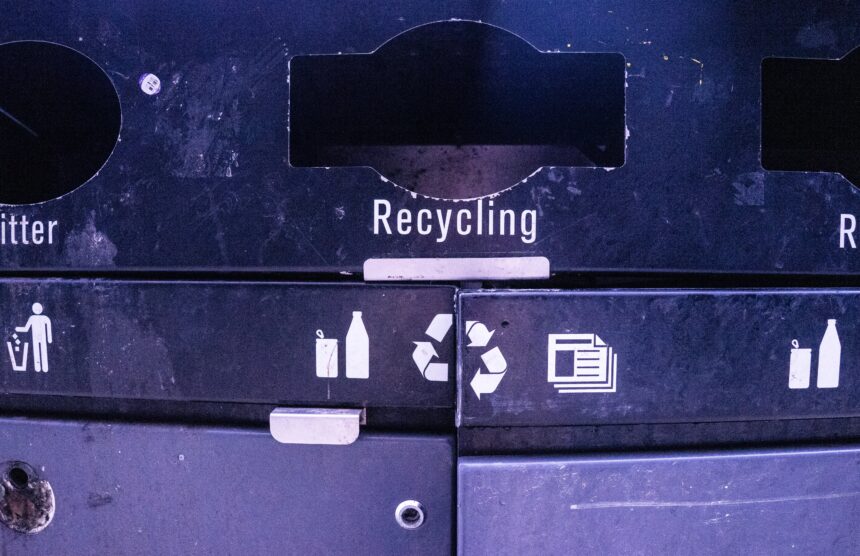
Every single item placed in Toronto’s 15,000 public recycling bins ends up as garbage. The blue slots on these bins are essentially decorative. When the province took over residential recycling in January, they left public bins behind. Nobody collects what residents carefully sort into those blue openings.
Councillor Lily Cheng brought this issue to City Hall through a motion. She’s calling out what she describes as a “façade” that undermines public trust. Cheng told me the contamination problem existed before the provincial takeover. People mix garbage with recyclables constantly. The bin design itself encourages this behavior.
The numbers tell a stark story. Toronto sends roughly 450,000 tonnes of waste annually to Green Lane Landfill. That’s more than three CN Towers worth of garbage. The facility sits nearly 200 kilometres away and approaches full capacity quickly.
I’ve covered environmental stories for years. This situation feels particularly frustrating because residents genuinely try to do the right thing. They see a recycling label and trust the system works. That trust is currently misplaced.
Cheng partnered with Councillor Paula Fletcher on the motion. They highlight a critical disconnect between what people believe happens and what actually occurs. Residents assume their coffee cups and water bottles get recycled. Instead, everything gets combined and trucked to the dump.
The timing of this crisis connects to a larger shift. For twenty years, a private company managed Toronto’s public bins under contract. That arrangement is ending. Mayor Olivia Chow acknowledged residents complain about these bins constantly. Data from 3-1-1 calls supports her statement.
Over two years, Toronto received nearly 5,000 complaints about overflowing public bins. Another 1,000 calls reported damaged receptacles. These aren’t just aesthetic problems. They represent infrastructure failure at a fundamental level.
The provincial takeover created an awkward gap. Ontario now funds residential recycling through fees charged to packaging producers. This approach shifts costs away from municipalities. But public bins fell through the cracks. Nobody defined responsibility for them.
I reached out to the provincial government for comment. They didn’t respond to questions about public recycling obligations. That silence speaks volumes about priority levels and accountability.
Cheng’s motion asks city staff to explore several options. One involves smart bins in high-traffic areas. These would accept only valuable materials like aluminum cans. Technology could verify items before accepting them.
Another suggestion involves incentive programs. These would encourage people to carry their recycling home. Similar “carry-in, carry-out” models work in other cities. They require cultural shifts but reduce contamination dramatically.
The motion also pushes provincial action. It asks Ontario to reintroduce public recycling requirements under blue box regulations. Currently, those regulations ignore bins on city streets and in parks.
One particularly interesting recommendation targets retail packaging. The motion suggests requiring stores to let customers unwrap purchases onsite. Packaging would then enter the provincial recycling stream at point of sale. This shifts responsibility to producers who create the waste.
I spoke with several Toronto residents while researching this article. Most expressed genuine surprise. They had no idea their public bin recycling went nowhere. Many felt deceived by labels promising environmental benefits.
Sarah Kim sorts her waste at home meticulously. She told me she applies the same care to public bins. Learning her efforts meant nothing genuinely upset her. She questioned whether to trust any city recycling messaging now.
That erosion of trust concerns me professionally. Public cooperation drives successful waste programs. When systems fail invisibly, cynicism grows. People stop trying when effort seems pointless.
The contamination problem isn’t simple to solve. Human behavior patterns develop over years. Changing them requires education, enforcement, and infrastructure redesign. All three cost money and demand political will.
Cheng emphasizes transparency as the starting point. She argues continuing the current façade serves nobody. If public recycling doesn’t work, the city should acknowledge that openly. Then real solutions become possible.
The motion instructs staff to analyze realistic options. Cheng stressed she doesn’t have predetermined answers. City experts need to study what actually functions in Toronto’s context. Cookie-cutter solutions from other cities might not translate.
Timing matters here. As Toronto reconsiders how to manage public bins generally, recycling logistics should factor into planning. Separating these conversations makes little sense. They’re interconnected problems requiring integrated solutions.
The producer responsibility model driving provincial recycling makes sense theoretically. Companies creating packaging should fund its disposal. But implementation gaps like public bins reveal incomplete thinking. Comprehensive systems can’t leave obvious holes.
I’ve walked Toronto’s downtown core countless times. Public bins overflow constantly, especially near transit stops and parks. The mixing of waste streams happens visibly. Coffee cups sit beside newspapers and chip bags. Everything touches everything else.
Food contamination alone makes much recycling impossible. A yogurt container with residue inside contaminates surrounding paper. Liquids from discarded drinks seep through bins. By collection time, separating materials becomes impractical.
Cheng’s acknowledgment that solutions won’t come easily resonates. Complex urban systems resist simple fixes. But maintaining obvious dysfunction because change is hard serves nobody. Toronto deserves better than decorative recycling slots.
The environmental implications extend beyond Toronto. Cities worldwide grapple with similar challenges. Public space recycling combines high contamination with logistical complexity. Few places solve it well.
Watching this unfold, I keep thinking about cumulative impact. Each person believes their individual action matters minimally. But 15,000 bins across Toronto add up. That’s enormous material volume heading unnecessarily to landfills.
Green Lane Landfill’s approaching capacity deadline adds urgency. When it fills, Toronto needs alternatives. Those will likely cost more and sit farther away. Prevention through actual recycling makes economic and environmental sense.
The motion awaits staff response and council consideration. Timelines remain unclear. Bureaucratic processes move slowly, especially for infrastructure changes. Meanwhile, the charade continues daily across the city.
I’ll keep following this story as it develops. Public accountability matters. Toronto residents deserve systems that match their environmental values. Right now, a significant gap exists between perception and reality.
That gap needs closing, whether through better bins, changed behaviors, or honest admission of current limitations. Anything beats the status quo of well-meaning residents unknowingly feeding landfills.