
I’ve watched a lot of things move through Ottawa over my years covering this city. But watching a 90-year-old building roll down the street never gets old.
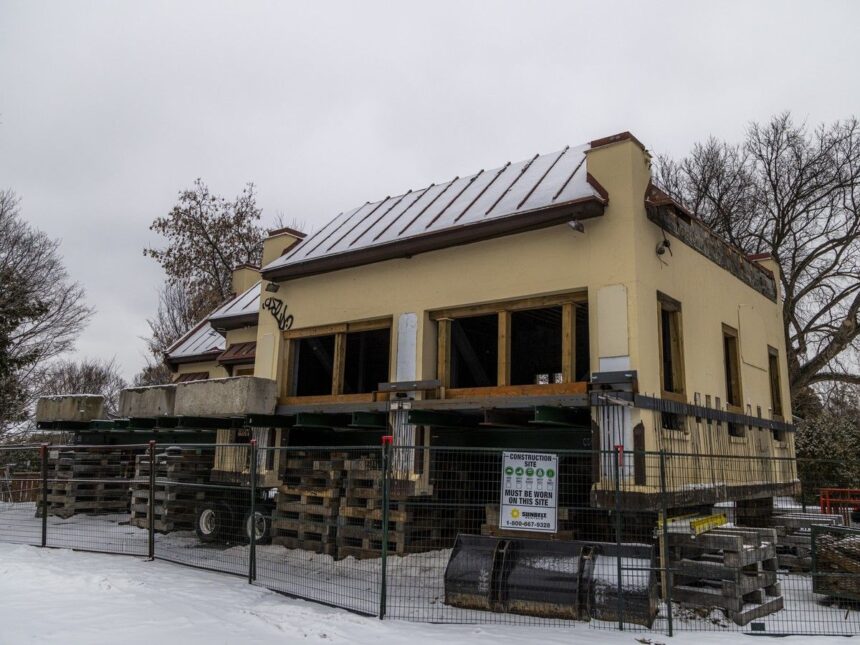
The heritage Champlain Oil gas station is about to make its second trip across Richmond Road. Four giant motorized wheels will carry the entire structure back to where it belongs. This time, it’s heading home for good.
Ahmed Zayed leads development and construction for Trinity Group. He explained what makes this move so special. The whole building travels together, roof and all. Nothing gets dismantled or left behind.
The tiny gas station first rolled away from its spot in June 2024. Developers needed space to build The Parkstone apartment complex. But everyone agreed the historic building would return once construction wrapped up.
That moment arrives on March 31 at 7 p.m. Workers will slowly guide the structure back across the street. It’s going right back to its original location at 70 Richmond Road.
Jeff Leiper represents Kitchissippi ward on city council. The gas station sits in his area. He remembers the first move vividly.
More than 20 residents showed up to watch last time. Leiper expects another crowd when the building makes its return journey. He finds the whole engineering feat remarkable.
The structure stays perfectly level as it moves. Giant wheels and axles support the weight. Internal bracing keeps everything stable. It’s not every day you see a building treated like a piece of furniture.
I’ve covered plenty of heritage preservation stories in this city. This one stands out because everyone actually worked together. Developers, heritage advocates, and city officials found common ground.
The Champlain Oil Company Service Station opened in 1934. That makes it over 90 years old now. The small stucco building has an irregular shape that catches your eye.
Few gas stations from before World War II survive in Ottawa. This one does because it represents something important. It marks an era when car ownership started becoming normal for regular families.
Richmond Road played a huge role in Ottawa’s growth. Small villages west of Bytown depended on this route. It served as the main highway into the city.
Trinity Group had to submit a Heritage Impact Statement. That’s standard procedure when development threatens historic buildings. The report examines cultural value and proposes protection measures.
The statement confirmed what many suspected. This little gas station tells a big story about how North America’s cities developed around automobiles.
Leiper sees the building as a time capsule. People stopped here to fuel up, get repairs, and take a break. Service stations like this shaped how our city grew.
Heritage advocates approached Leiper after he won election in 2014. They wanted the gas station officially designated as heritage property. That created some tension at first.
Property owners sometimes resist heritage designations. Rules limit what you can do with designated buildings. But Leiper moved forward with city staff support.
Looking back now, he thinks it worked out beautifully. The heritage building survived. The development project proceeded. Both sides got what they needed.
The gas station might actually benefit from its new position. When The Parkstone is finished, the historic structure will sit more prominently. It won’t hide at the back of a parking lot anymore.
Leiper sees this as a win for everyone involved. Heritage preservationists saved an important building. Developers built their apartment complex. The compromise protected history without blocking progress.
Retail space seems likely for the returned gas station. The exact use hasn’t been announced yet. But the building’s size and location suit small commercial purposes.
Meanwhile, the construction has disrupted the area for months. The southside sidewalk stayed closed throughout the project. Pedestrians had to find alternate routes.
Drivers lost part of the roadway too. Traffic squeezed through a narrower corridor. Leiper knows neighbors will welcome getting that space back.
The Parkstone nears completion now. Soon the sidewalk will reopen. Traffic will flow normally again. And that quirky little gas station will return to its rightful spot.
I’ve driven past that corner countless times while chasing stories around the city. The empty space where the gas station used to sit always looked wrong. Like a missing tooth in an otherwise complete smile.
Watching heritage buildings disappear bothers me more as I get older. Ottawa loses pieces of its character every year. That’s why successful preservation stories matter so much.
This project shows what’s possible when people approach problems creatively. Nobody had to choose between history and housing. Engineers figured out how to honor both.
The technical achievement impresses me too. Moving a 90-year-old building without damaging it takes serious skill. The structure maintains its integrity through two major relocations.
Residents who gather to watch on March 31 will witness something rare. Buildings usually stay put or get demolished. They don’t go for evening strolls across busy streets.
Leiper plans to be there. I’ll probably show up too. It’s not every day you see a piece of Ottawa’s past literally moving into the future.
The Champlain Oil station survived because enough people cared. Advocates spoke up. City staff listened. Developers adapted their plans. That collaboration saved something worth keeping.
Richmond Road will look more complete once the gas station settles back home. The streetscape will regain a distinctive landmark. And Ottawa will keep one more connection to its automotive history.
Our city changes constantly. New buildings rise while old ones fall. But occasionally, if we’re lucky and persistent, we manage to keep the best parts of what came before.