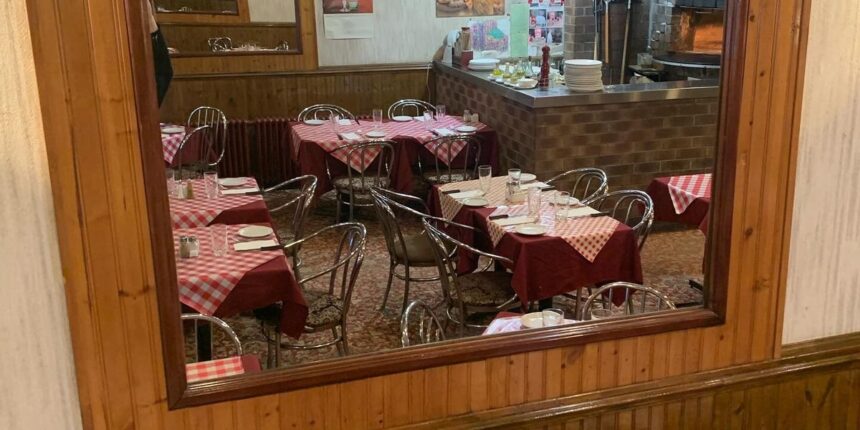

I walked past Restaurant Siciliana just last week, watching diners crowd around tables near the frosted windows. The aroma of wood-fired pizza drifted onto Stanley Street. It’s a Montreal institution that’s been around since 1985. But recent health inspection records tell a troubling story that goes beyond the charming atmosphere.
The downtown Italian spot has accumulated over $11,000 in provincial fines. These violations span the past year according to official records. For a restaurant that’s served generations of Montrealers, the news hits differently than hearing about a new establishment struggling with standards.
Quebec’s food safety ministry, known as MAPAQ, issued multiple penalties to the Stanley Street location. The fines weren’t small either. Two recent violations alone totaled $8,000, which represents serious regulatory concerns that affect public health.
The February 2026 published fine came in at $4,000. Inspectors found problems during an August 2025 visit. The violation centered on failing to maintain clean premises and equipment. Everything from storage areas to utensils used in food preparation fell short of provincial standards.
Just weeks ago, another $4,000 fine appeared in public records. This one referenced a February 2025 inspection with even more concerning findings. The restaurant wasn’t free of contaminants, according to official documentation. Inspectors also noted the presence of pests, insects, rodents, or their excrement.
I’ve covered Montreal’s food scene for years now. These aren’t minor infractions that slip through occasionally. They represent systematic failures in basic food safety protocols that every kitchen must follow.
The violation history extends further back than just this year. MAPAQ records show a $3,500 fine handed down in May 2025. That penalty stemmed from a February 2024 inspection that found unclean premises. The pattern becomes harder to dismiss as isolated incidents.
Before that, a $2,300 fine was issued in May 2024. This violation related to pest problems discovered during a September 2023 inspection. Adding everything together over the past two years brings the total to $13,800 in documented penalties.
Restaurant Siciliana operates in the heart of downtown Montreal at 1264 Stanley Street. The area sees heavy foot traffic from office workers, tourists, and students. Many regular customers have been dining there for decades, drawn by familiar menu items.
The restaurant previously operated under the name Santa Lucia. That brand recognition carries weight in a city where dining loyalty runs deep. Wood-fired pizza, calzones, and tiramisu have been their signature offerings for over forty years.
Online reviews paint a different picture than inspection reports suggest. The establishment maintains a 3.9-star average rating on Google Reviews. Diners frequently praise the authentic Italian flavors and generous portions. This disconnect between customer perception and regulatory findings raises important questions.
I spoke with food safety experts familiar with Montreal’s restaurant inspection process. They explained that MAPAQ fines go through Montreal Municipal Court before becoming public. The provincial food safety registry publishes these judgments, creating a transparent record for consumers.
One crucial detail deserves emphasis here. The violations listed don’t necessarily reflect current conditions at any establishment. Significant time often passes between the actual infraction date and when the judgment appears publicly. Sometimes months go by, occasionally even years.
The legal process moves slowly through various administrative and court channels. An inspection might happen in early 2024, but the fine won’t appear in public records until 2025 or later. This timeline creates confusion for diners trying to assess current restaurant conditions.
Still, the pattern at Siciliana shows repeated issues across multiple inspection dates. Four separate violations over two years suggest ongoing challenges rather than isolated problems. Each inspection happened at different times, yet similar concerns kept appearing.
Downtown Montreal restaurants operate under intense competitive pressure. Hundreds of dining options exist within walking distance of Stanley Street. Maintaining health standards isn’t just about regulatory compliance. It directly impacts reputation in a market where word travels fast.
I’ve watched establishments recover from health violations before. It requires serious operational changes and sustained commitment to food safety protocols. Staff training, equipment upgrades, and regular internal audits become essential. Some restaurants emerge stronger after addressing these wake-up calls.
The economic impact of these fines extends beyond the dollar amounts. Negative publicity affects reservation numbers and walk-in traffic. Long-time customers start questioning their loyalty when health concerns surface. Rebuilding trust takes considerably more effort than maintaining it.
MAPAQ inspections cover numerous factors in food service establishments. Temperature control for perishables, proper food handling techniques, and pest management all fall under scrutiny. Cleanliness standards apply to visible areas and behind-the-scenes preparation zones.
Quebec’s food safety regulations exist to protect public health. Montreal’s diverse dining scene relies on consistent enforcement of these standards. When violations occur repeatedly, the system responds with escalating penalties.
For four decades, this Stanley Street location has been part of Montreal’s culinary landscape. That longevity deserves recognition, but it doesn’t exempt anyone from basic health requirements. Established restaurants carry responsibility to uphold the standards that protect their communities.
Moving forward, consumers deserve transparency about food safety records. The provincial registry provides that information, though navigating the time delays requires understanding. Current conditions may differ significantly from what inspection dates indicate.
Restaurant Siciliana now faces a critical moment in its long history. The accumulated fines and public attention create pressure for meaningful change. Whether the establishment can address these repeated violations will determine its future in Montreal’s competitive restaurant environment.