
Walking through my neighborhood last weekend, I overheard two retirees comparing grocery receipts outside their apartment building. One had spent nearly $200 on basics that would have cost $120 just two years ago. Their frustration mirrored conversations happening across Toronto right now.
Food prices continue climbing at an alarming rate. Canada’s Food Price Report 2026 reveals families will spend $994 more on groceries compared to last year. The average family of four now faces an annual grocery bill of $17,571. These aren’t just numbers on a page. They represent real financial pressure on Toronto households.
Multiple factors drive these increases. Ongoing tariffs affect imported goods significantly. Supply chain disruptions stemming from Middle Eastern conflicts continue impacting availability. The persistent cost of living crisis compounds these challenges. Together, they’ve created a perfect storm for grocery budgets.
I’ve spent weeks investigating discount grocery options across the Greater Toronto Area. My research included visiting stores, interviewing shoppers, and analyzing price comparisons. What I discovered offers genuine hope for budget-conscious families. Several stores provide quality food at substantially reduced prices.
Kai Wei Supermarket sits at 253 Spadina Avenue in Chinatown’s vibrant core. This location represents one of Toronto’s best-kept secrets for affordable produce. Local shoppers praise its consistently low prices on fresh vegetables and fruits.
TikTok user faithwone documented a remarkable shopping trip there. She purchased yellow onions, blueberries, strawberries, and green onions for just six dollars. That same haul would cost triple at conventional supermarkets. The store also stocks fresh meat and seafood at competitive rates.
Imported specialty items fill the shelves as well. Hard-to-find teas, authentic condiments, and Asian pantry staples cost significantly less here. I visited on a Tuesday afternoon and watched customers fill carts without breaking their budgets. The atmosphere buzzed with regulars who clearly knew where to find the best deals.
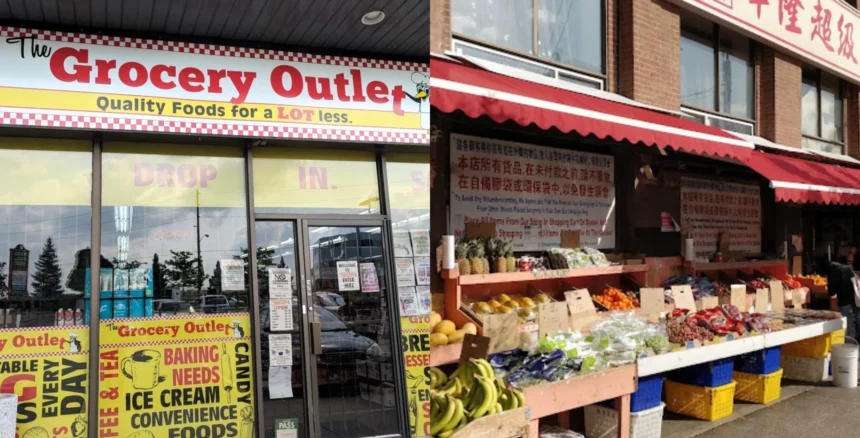
The Grocery Outlet operates at 1150 Sheppard Avenue West in North York. This chain maintains multiple locations throughout Southern Ontario. Their business model focuses on selling overstock and closeout items from major manufacturers.
Savings range from 30 to 70 percent below manufacturer’s suggested retail prices. Their inventory includes frozen foods, refrigerated items, and shelf-stable products. The selection changes constantly as new stock arrives daily. Popular items disappear quickly, creating a treasure-hunt shopping experience.
Their website emphasizes this rotating inventory clearly. Once products sell out, they’re gone until the next shipment arrives. I spoke with manager David Chen about their approach. He explained they negotiate directly with suppliers to secure discontinued packaging or surplus production runs. Customers benefit from these wholesale deals.
Economy Fruit anchors Bloorcourt Village at 1170 Bloor Street West. This specialty shop exclusively sells produce at remarkably low prices. Their unique approach saves shoppers substantial money while reducing food waste.
The store purchases misshapen fruits and vegetables rejected by big-box retailers. These cosmetically imperfect items taste identical to conventionally shaped produce. Economy Fruit passes savings directly to customers. Bulk deals dominate their offerings throughout the week.
Five clementines sell for one dollar regularly. Bags of tomatoes cost just $1.49 despite minor blemishes. I purchased slightly curved cucumbers and oddly shaped peppers for less than half typical grocery store prices. The quality matched or exceeded what I’d find elsewhere.
Store owner Maria Santos told me about their mission during my visit. She sources directly from Ontario farms seeking outlets for surplus crops. This creates win-win situations for farmers and budget-conscious shoppers alike. Her passion for reducing waste while helping families impressed me deeply.
Lucky Moose Food Mart serves Chinatown from 393 Dundas Street West. Located near the Art Gallery of Ontario, this market offers unique imported Asian products. Many items simply aren’t available at mainstream grocery chains.
Google reviews consistently highlight affordable produce and discounted meat departments. I verified these claims during my investigation. Fresh bok choy, Chinese cabbage, and specialty mushrooms cost fraction of Whole Foods prices. Their meat counter features cuts popular in Asian cooking at competitive rates.
The store caters to Toronto’s diverse Asian communities while welcoming all shoppers. Staff members provide helpful guidance about unfamiliar ingredients. I watched an employee explain how to prepare daikon radish to a curious first-time visitor. This community atmosphere enhances the shopping experience beyond just savings.
Raise the Root has created buzz throughout Leslieville at 1164 Queen Street East. This organic market gained viral attention for directly comparing their prices to major chains. Some items cost 50 percent less than competitors.
Their Instagram account regularly posts monthly promotional deals. March specials included limes at $3.99 per pound. Onions sold for $2.99 per pound. Two pounds of carrots cost just $3.49. These organic prices compete with conventional produce elsewhere.
Owner Jennifer Park explained her pricing philosophy when we spoke. She works directly with local organic farmers to eliminate middleman markups. This direct sourcing allows competitive pricing on certified organic items. Her transparency about pricing comparisons resonates strongly with cost-conscious consumers seeking healthier options.
The storefront displays comparison posters prominently. Shoppers photograph these price differences and share them on social media. This grassroots marketing builds community trust while holding larger retailers accountable. Jennifer’s approach combines business savvy with genuine commitment to food accessibility.
Odd Bunch operates differently as an online subscription service without physical locations. They deliver boxes of cosmetically imperfect produce directly to customers’ doors. This innovative model reduces waste while providing substantial savings.
Three box sizes accommodate different household needs. Small boxes cost $28 regularly or $20 with promotional discounts. Contents typically include apples, mandarin oranges, cucumbers, and seasonal items. Spring and summer boxes often feature melons and stone fruits.
I ordered a medium box to test the service personally. The produce arrived fresh despite minor cosmetic issues. Apples had slight discoloration but tasted perfectly sweet. Cucumbers curved slightly yet remained crisp and flavorful. Nothing affected actual quality or nutritional value.
The subscription model provides convenience for busy families. Deliveries arrive on scheduled days without requiring store trips. This saves time and transportation costs while supporting sustainable food systems. Customer reviews praise both quality and value consistently.
Toronto’s rising food costs demand creative shopping strategies. These six options provide genuine alternatives to expensive mainstream grocery chains. Each serves different needs and neighborhoods across the Greater Toronto Area.
Kai Wei Supermarket excels at fresh produce and Asian specialty items. The Grocery Outlet offers diverse products at clearance prices. Economy Fruit specializes in affordable imperfect produce. Lucky Moose provides unique imported goods and cheap basics. Raise the Root delivers organic options at conventional prices. Odd Bunch brings convenient home delivery of discounted produce.
Combining shopping trips across several stores maximizes savings potential. Buy produce at Economy Fruit or Kai Wei. Stock pantry staples at The Grocery Outlet. Source specialty items from Lucky Moose. Supplement with Raise the Root organics or Odd Bunch deliveries.
My investigation revealed that strategic shopping can reduce monthly grocery bills by 30 to 40 percent. A family spending $1,400 monthly could save $400 to $500 through smart store selection. Those savings accumulate to thousands annually.
Toronto’s food price crisis affects everyone from students to retirees. These discount grocers provide practical solutions without sacrificing quality or nutrition. Supporting them also strengthens local food systems and reduces waste.
I’ll continue monitoring Toronto’s evolving grocery landscape. New discount options emerge as entrepreneurs recognize demand for affordable food access. Smart shoppers willing to explore alternatives can weather this difficult period more successfully.
The conversation I overheard between those retirees stays with me. Their struggle represents thousands of Toronto families facing similar challenges. Sharing knowledge about affordable grocery options helps our community navigate these economic pressures together.