
Indigenous leaders across Alberta are taking a firm stand against the province’s growing separatist movement. They’re making it crystal clear that talks of independence don’t speak for their communities or honor historic agreements with the Crown.
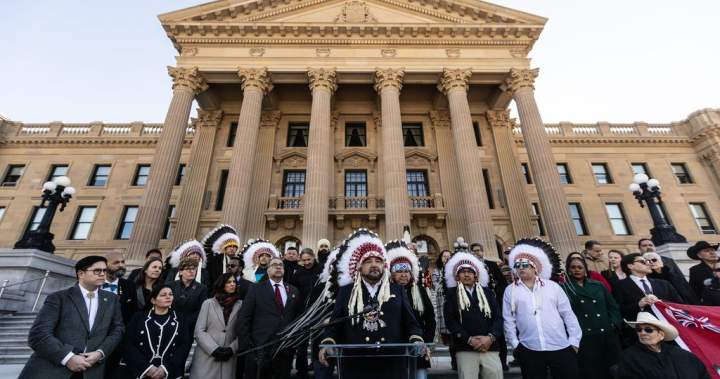
Chiefs from Treaty 6, Treaty 7, and Treaty 8 territories recently gathered at the Alberta Legislature. Their message was direct and powerful. They oppose any push to separate Alberta from Canada. This isn’t just political posturing. It’s about protecting relationships that stretch back over a century.
Grand Chief Arthur Noskey from Treaty 8 First Nations spoke with conviction during the gathering. He reminded everyone that Indigenous peoples signed treaties with the British Crown, not with provincial governments. “Our treaties are nation-to-nation agreements,” he explained. “They exist outside of provincial politics and separatist ambitions.”
I’ve covered Alberta politics for years now. I’ve never seen Indigenous leaders unite quite this forcefully on a single issue. Walking through the Legislature halls that day, you could feel the weight of their collective voice. These aren’t communities that speak up without careful consideration.
The separatist movement has gained troubling momentum lately. Some Albertans feel frustrated with federal policies on energy and economic development. They believe independence would give the province more control over its resources and future. But Indigenous leaders see a different picture entirely.
Chief Tony Alexis from Alexis Nakota Sioux Nation addressed the core issue head-on. He pointed out that separatism threatens the constitutional protections Indigenous peoples currently hold. “We have rights guaranteed by the Canadian Constitution,” he stated. “Those protections disappear if Alberta breaks away.”
Treaty rights aren’t simple political documents you can renegotiate on a whim. They represent sacred agreements between Indigenous nations and the Crown. These treaties promised land rights, education, healthcare, and hunting privileges. They’ve endured through generations despite countless challenges.
The timing of this opposition matters significantly. Alberta’s provincial government has flirted with sovereignty-related legislation over recent years. The Alberta Sovereignty Within a United Canada Act passed in 2022. It gave the province powers to refuse federal laws deemed harmful to Albertan interests.
Indigenous leaders watched these developments with growing concern. They worried that sovereignty talk might eventually spiral into full separatist campaigns. Their fears weren’t unfounded. Public discussions about Alberta independence have intensified across social media and community gatherings.
Grand Chief Greg Desjarlais from Confederacy of Treaty Six First Nations offered important historical context. He reminded listeners that Indigenous peoples were here long before provincial boundaries existed. “We didn’t sign treaties with Alberta,” he said firmly. “We signed with representatives of Queen Victoria.”
This distinction carries enormous legal and cultural significance. If Alberta separated from Canada, those treaty relationships would enter uncertain territory. Would a new Alberta nation honor centuries-old agreements? Indigenous leaders aren’t willing to gamble their communities’ futures on vague promises.
I’ve sat in countless Edmonton cafes listening to separatist arguments over the years. People express genuine frustration about feeling unheard by Ottawa. They worry about energy sector jobs and economic stability. Those concerns deserve acknowledgment and serious discussion.
But Indigenous perspectives add crucial complexity to these conversations. Their communities already navigate complicated relationships with multiple levels of government. Adding another layer of political upheaval could devastate hard-won progress on reconciliation.
Chief Ouray Crowfoot from Tsuut’ina Nation emphasized the practical implications. His community has worked decades to establish programs funded through federal treaty obligations. Healthcare services, educational opportunities, and cultural preservation initiatives all depend on those connections. “We can’t risk losing what our ancestors fought to secure,” he explained.
The gathering at the Legislature wasn’t just symbolic. Indigenous leaders presented formal position statements to government officials. They demanded their voices be centered in any future discussions about Alberta’s constitutional status. They insisted on meaningful consultation before any separatist referendum moves forward.
Constitutional experts have weighed in on the legal complexities too. Dr. Hadley Friedland from the University of Alberta’s Faculty of Law has studied treaty rights extensively. She confirmed that separation would create “unprecedented legal uncertainty” for Indigenous communities. Existing agreements might require complete renegotiation.
That prospect terrifies many Indigenous Albertans. Treaty negotiations historically involved immense sacrifice and compromise. Communities gave up vast territories in exchange for specific protections and benefits. Reopening those agreements could diminish hard-won rights.
The separatist movement hasn’t issued detailed responses to Indigenous concerns yet. Some proponents argue an independent Alberta would honor all existing commitments. But Indigenous leaders want guarantees, not reassurances. They’ve heard promises broken too many times throughout Canadian history.
Young Indigenous activists are particularly vocal about this issue. They’ve grown up hearing elders share stories about treaty signing and its significance. They understand that separatism threatens their cultural identity and legal standing. Social media campaigns opposing Alberta independence have spread rapidly through Indigenous youth networks.
Walking through Edmonton’s Indigenous community centers recently, I’ve noticed increased political engagement. People are discussing separatism at cultural events and family gatherings. They’re educating themselves about treaty law and constitutional protections. This movement has awakened political consciousness across generations.
The chiefs made another crucial point during their Legislature appearance. They acknowledged legitimate grievances Albertans hold about federal representation. But they proposed different solutions. Stronger provincial advocacy within Confederation. Reformed Senate representation. Enhanced regional consultation processes.
Separation isn’t the only path toward addressing Western alienation. Indigenous leaders believe Alberta can pursue its interests while maintaining the constitutional framework that protects everyone. They’re calling for unity rather than division.
This opposition carries significant political weight. Indigenous peoples represent a substantial portion of Alberta’s population. Their unified stance against separatism complicates any potential referendum campaign. Politicians can’t ignore these voices without serious electoral consequences.
The gathering concluded with a powerful ceremony. Elders offered prayers in multiple Indigenous languages. They blessed the work of building understanding across different communities. The moment reminded everyone that politics affects real people with deep connections to this land.
Indigenous chiefs have drawn their line firmly in Alberta’s political sand. They won’t support separatism. They’ll fight to protect treaty relationships that predate Confederation itself. Their ancestors signed agreements in good faith. They expect those commitments honored regardless of provincial political trends.