
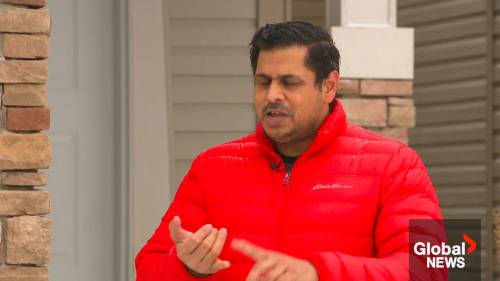

I’ve covered plenty of stories about vehicle theft in Calgary over the years, but this one caught my attention in a way that frankly makes my blood boil. A family in Alberta just discovered the truck they purchased from a licensed dealership was actually stolen property. That’s not something you expect when you walk into a legitimate business and hand over your hard-earned money.
The incident involves a family who thought they were making a smart purchase decision by going through proper channels. They visited a dealership, completed all the paperwork, and drove away believing everything was legitimate. It wasn’t until later that they received the devastating news their new vehicle had been reported stolen. Now they’re stuck in a nightmare scenario that shouldn’t happen to anyone who does their due diligence.
This case raises serious questions about how stolen vehicles slip through the cracks in our system. Dealerships are supposed to verify vehicle histories before putting anything on their lots. That’s not just good business practice, it’s a fundamental responsibility to customers. When that process breaks down, regular families end up paying the price both financially and emotionally.
Vehicle theft has become an increasingly troubling issue across Alberta in recent years. Calgary Police Service reported over 5,000 vehicle thefts in 2023 alone, representing a significant increase from previous years. Organized crime groups have become more sophisticated in their operations, often targeting high-demand trucks and SUVs that can be quickly resold or shipped overseas. The financial impact extends far beyond the initial theft, creating ripples that affect insurance rates and consumer confidence throughout the province.
What bothers me most about this situation is the vulnerability it exposes. This family believed they were protected by purchasing through a dealership rather than a private sale. Most of us would make the same assumption. Dealerships carry a certain level of trust and accountability that private transactions simply don’t offer. When that trust gets violated, it shakes the foundation of consumer protection we all rely on.
The legal landscape surrounding these situations remains frustratingly complex. In many cases, the original owner retains legal ownership of a stolen vehicle regardless of who purchased it afterward. That means innocent buyers can lose both the vehicle and their money while getting caught in lengthy legal battles. The family in this case now faces the very real possibility of surrendering the truck without compensation, despite having done nothing wrong.
Financial institutions and insurance companies play crucial roles in these scenarios, but their involvement doesn’t always provide the safety net victims need. Many lenders require comprehensive vehicle history reports before approving financing, yet even these reports can miss critical information if theft reports haven’t been properly filed or processed. The system depends on accurate data flowing through multiple channels, and any breakdown creates opportunities for stolen vehicles to appear legitimate.
Consumer protection advocates have been pushing for stronger verification requirements at the dealership level for years. Alberta Motor Vehicle Industry Council oversees dealership licensing and standards, but enforcement challenges persist. The regulatory framework exists on paper, yet cases like this one demonstrate gaps that leave consumers exposed. I’ve spoken with industry insiders who admit the current system relies too heavily on good faith rather than robust verification protocols.
The emotional toll on families caught in these situations extends beyond financial loss. Imagine the violation of discovering your vehicle is stolen property, the stress of potential legal action, and the betrayal of trusting a business that failed its basic obligations. This family likely celebrated their purchase, planned road trips, and felt the security of reliable transportation. Now they’re dealing with uncertainty and frustration that could have been prevented.
Technology offers potential solutions that aren’t being fully utilized across the industry. Vehicle identification number databases can be cross-referenced against multiple theft registries in seconds. Blockchain technology has emerged as a promising tool for creating immutable vehicle history records. Yet adoption remains inconsistent, particularly among smaller dealerships operating on tight margins. The cost of implementing comprehensive verification systems gets weighed against the perceived risk, and sometimes businesses make the wrong calculation.
Law enforcement agencies face their own challenges in combating vehicle theft rings. Detective units investigating auto theft often lack the resources needed to pursue every case aggressively. By the time a stolen vehicle surfaces at a dealership, it may have passed through multiple hands and jurisdictions. Tracking those pathways requires coordination between municipal, provincial, and sometimes international agencies. The complexity creates opportunities for criminal operations to exploit gaps in communication and enforcement.
This case should serve as a wake-up call for everyone involved in vehicle sales and purchases. Dealerships need to implement more rigorous verification processes before accepting inventory. Consumers should demand proof of those verifications and consider independent vehicle history checks even when buying from established businesses. Regulators must enforce existing standards more aggressively and close loopholes that allow stolen vehicles to enter legitimate markets.
I’ve watched Calgary’s automotive market evolve over nearly two decades of reporting. The industry has faced challenges from economic downturns to shifting consumer preferences. But the fundamental expectation remains constant: when you buy a vehicle from a licensed dealership, you should receive clear title to legitimate property. That’s not an unreasonable demand, it’s the bare minimum standard of business integrity.
The path forward requires collaboration between multiple stakeholders. Industry associations should establish best practices that go beyond current regulatory minimums. Law enforcement needs additional resources dedicated to vehicle theft investigation and prevention. Technology providers must work with dealerships to make verification tools more accessible and affordable. And consumers deserve transparent information about the risks and protections available when making vehicle purchases.
For the family at the center of this story, resolution remains uncertain. They’re likely consulting lawyers, negotiating with insurance companies, and wondering how their routine purchase turned into such a mess. Their experience serves as an unfortunate reminder that even careful consumers can become victims when systems fail. The dealership involved faces questions about its verification procedures and potential liability for selling stolen property.
Stories like this one reinforce why local journalism matters. Someone needs to shine a light on these failures and hold institutions accountable when they fall short. The family affected deserves more than bureaucratic runarounds and finger-pointing between businesses, insurers, and regulators. They deserve answers, compensation, and assurance that changes will prevent future families from facing similar ordeals.
The broader implications extend throughout Alberta’s automotive market. Every case of stolen vehicles reaching dealership lots undermines consumer confidence and tarnishes the industry’s reputation. Legitimate dealers who invest in proper verification processes compete against those who cut corners, creating unfair market dynamics. The only way to restore trust involves raising standards across the board and ensuring meaningful consequences for those who fail to meet them.