
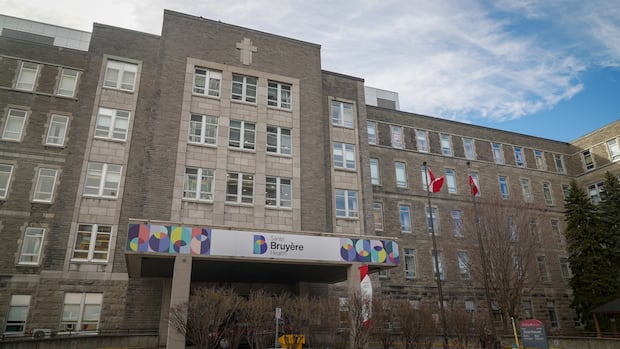

I’ve covered enough healthcare announcements in this city to recognize when cost-cutting language masks something much deeper. Yesterday’s news from Bruyère Health hit differently than most budget updates I’ve reported on over the years. The organization confirmed plans to eliminate 55 frontline positions, and the ripple effects will touch some of Ottawa’s most vulnerable residents.
Bruyère Health serves populations that often slip through the cracks of our healthcare system. We’re talking about seniors requiring complex continuing care, people experiencing homelessness, and individuals managing chronic conditions. These aren’t patients who can easily transfer elsewhere. The organization operates Saint-Vincent Hospital and several specialized clinics across Ottawa, providing care that demands both expertise and compassion.
The announcement came through official channels, with leadership citing financial pressures as the primary driver. Budget constraints have forced difficult decisions, according to organizational statements. Frontline positions will bear the brunt of these cuts, meaning direct patient care faces reduction.
I reached out to Bruyère Health for clarity on which specific roles face elimination. The response remained vague about exact positions but confirmed the cuts target frontline staff rather than administrative roles. That distinction matters significantly when evaluating operational priorities during financial strain.
Ontario’s healthcare funding model has created mounting pressure on specialized organizations like Bruyère. Provincial allocations haven’t kept pace with increasing demand or inflation rates. The organization receives funding through various provincial streams, but gaps continue widening. Bruyère serves approximately 1,500 patients daily across its facilities and programs, according to data from their recent operational reports.
Walking through the Lowertown neighborhood where Saint-Vincent Hospital sits, you notice the foot traffic. People accessing addiction services, seniors arriving for rehabilitation appointments, families visiting loved ones in continuing care. These services exist because mainstream hospitals can’t provide the specialized, long-term support these populations require.
The timing raises questions about broader systemic issues. Ontario invested billions in pandemic response, yet post-acute care and rehabilitation services received comparatively modest attention. Organizations serving marginalized populations often operate with thinner margins than large hospital networks. When financial pressure increases, they have fewer reserves to absorb shocks.
Dr. Guy Moreau, Bruyère’s president and CEO, acknowledged the difficulty of these decisions in public statements. He emphasized that maintaining quality care remained paramount despite staffing reductions. The organization would explore operational efficiencies and service delivery models to minimize patient impact.
Union representatives responded with predictable concern. Healthcare workers across Ontario have sounded alarms about understaffing for years. The Ontario Council of Hospital Unions noted that cutting frontline positions during an ongoing healthcare crisis contradicts government promises about system strengthening. CUPE Ontario president Fred Hahn called the cuts shortsighted, arguing they would increase wait times and reduce care quality.
I’ve interviewed enough healthcare workers to understand the math doesn’t work in their favor. Fewer staff means higher patient ratios. Higher ratios mean less time per patient. Less time means rushing through assessments, skipping conversations that might catch deteriorating conditions early, and burning out faster.
The political dimension can’t be ignored. Premier Doug Ford’s government has faced sustained criticism over healthcare management. Opposition parties seized on the Bruyère announcement as evidence of systemic underfunding. NDP health critic France Gélinas called for immediate provincial intervention. Liberal MPP Stephen Blais, whose riding includes areas served by Bruyère, demanded answers about how cuts align with government commitments to healthcare access.
Ottawa’s unique healthcare landscape compounds these challenges. As the nation’s capital, the city houses federal workers whose provincial healthcare utilization patterns differ from other Ontario cities. Bruyère also serves significant francophone populations requiring French-language services. Reducing capacity threatens already stretched linguistic healthcare access.
Community organizations expressed alarm about potential spillover effects. Shepherds of Good Hope, which partners with Bruyère on street health services, worries that reduced capacity will push more people toward emergency departments ill-equipped for complex social needs. The Ottawa Mission raised similar concerns about continuity of care for clients transitioning from homelessness into stable housing.
Financial transparency remains limited. Bruyère hasn’t publicly disclosed the budget shortfall driving these cuts or detailed revenue versus expenditure trends. Healthcare organizations typically release such data during annual reporting cycles, but immediate crisis decisions often lack that context.
Comparing Bruyère’s situation to other Ottawa healthcare providers reveals patterns. The Ottawa Hospital announced service pressures last quarter. Queensway Carleton Hospital struggles with emergency department volumes. CHEO faces pediatric capacity constraints. The common thread involves provincial funding models failing to match demographic realities and service demands.
Former patients shared perspectives with local media that add human dimension to bureaucratic announcements. One woman described how Bruyère’s stroke rehabilitation program helped her father regain mobility. Another recounted addiction services that literally saved her son’s life. These aren’t interchangeable services available elsewhere.
The sixty-day timeline before cuts take effect provides minimal adjustment period. Staff facing job loss must navigate uncertain futures. Patients receiving ongoing care will need transition plans. Families coordinating complex care arrangements will scramble for alternatives.
I keep thinking about the broader implications. When specialized healthcare organizations serving vulnerable populations face financial crisis, it signals systemic misalignment between funding structures and community needs. Bruyère’s announcement isn’t an isolated incident but rather a symptom of deeper challenges requiring political will to address.
The coming weeks will reveal whether provincial leaders respond with emergency funding or allow cuts to proceed. Ottawa residents depending on these services deserve better than bureaucratic explanations about fiscal responsibility. Healthcare access shouldn’t depend on balancing spreadsheets at the expense of frontline workers and vulnerable patients.