
Drivers across Calgary woke up to news this week that’ll hit their wallets differently depending on which pump they pull up to. The provincial government just announced fuel tax relief is staying put for now, even as oil prices climb back up. It’s a decision that’s got economists scratching their heads and everyday folks wondering what comes next.
Alberta suspended its fuel tax back when prices were crushing household budgets. The move saved drivers 13 cents per liter on gas and diesel. That adds up quick when you’re filling a truck in this city. But here’s where it gets interesting. Oil prices have been creeping higher lately, which usually means the government’s coffers start looking healthier. Yet Premier Danielle Smith’s administration decided to keep that tax break going.
I’ve covered enough budget announcements to know this isn’t typical. Governments don’t usually leave money on the table when commodity prices bounce back. The province collects hundreds of millions annually from fuel taxes. Walking away from that revenue takes either serious political conviction or serious concern about voter reaction. Maybe both.
Finance Minister Nate Horner explained the decision during a media briefing earlier this week. He pointed to ongoing affordability challenges facing Alberta families. Grocery bills haven’t exactly dropped. Mortgage rates remain stubbornly high for anyone renewing right now. Property taxes here in Calgary jumped significantly this year for many homeowners. Against that backdrop, clawing back 13 cents per liter would sting.
The timing matters more than people might realize. We’re not far from another provincial budget cycle. Political observers I’ve talked with suggest this fuel tax extension sends a clear message about the government’s priorities heading into that process. Nobody wants to be the politician who made life more expensive right before asking for public support.
But there’s another side to this coin that deserves attention. Alberta’s fiscal situation depends heavily on resource revenues. When oil prices rise, provincial budgets typically benefit through royalties and corporate taxes. That windfall helps fund healthcare, education, and infrastructure projects across the province. Fuel taxes represent a more stable, predictable revenue stream that doesn’t fluctuate with commodity markets.
Local business owners I’ve spoken with have mixed feelings. Transportation costs affect everything from construction materials to restaurant food supplies. Keeping fuel cheaper helps their bottom line. One trucking company operator told me last month that the tax relief saved his small fleet about four thousand dollars. That’s real money for businesses operating on thin margins.
However, some economists argue the province is making a short-term choice with long-term consequences. The University of Calgary’s School of Public Policy released analysis suggesting fuel tax relief disproportionately benefits higher-income households. Wealthier families typically drive more and own larger vehicles. They consume more fuel. So they capture more of the savings.
There’s also an environmental angle that keeps surfacing in these discussions. Carbon pricing already makes fuel more expensive as a way to discourage consumption and emissions. Removing provincial fuel taxes works against that objective. It makes driving cheaper exactly when climate policy aims to make it costlier. That contradiction hasn’t gone unnoticed by environmental advocates.
Calgary’s commuter patterns add another layer to this situation. Our city sprawls. Public transit serves many neighborhoods poorly. Most people need vehicles to get around. The fuel tax relief matters more here than it would in cities with robust transit systems. A policy that helps drivers helps the majority of Calgary residents who depend on their vehicles daily.
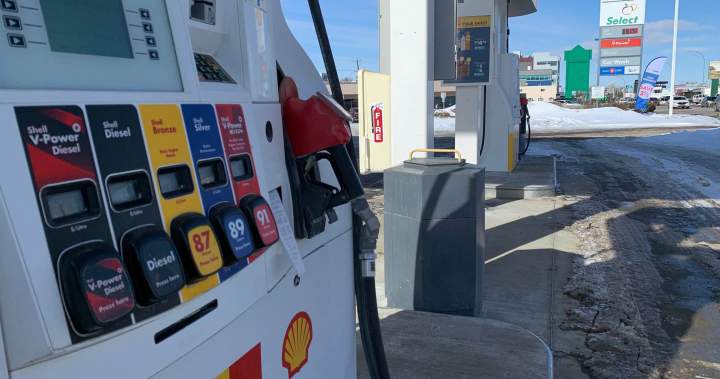
I drove past three gas stations on my way home yesterday. Prices ranged from about 139 to 144 cents per liter. Without the tax relief, those numbers would push past 150. That psychological threshold matters. There’s something about seeing prices above certain round numbers that changes consumer behavior and public mood.
The government hasn’t announced how long this extension will last. Previous suspensions came with specific end dates tied to quarterly reviews. This open-ended approach suggests officials are waiting to see how several factors develop. Global oil markets remain volatile. Inflation trends could shift. Political calculations definitely play a role.
Opposition critics have called the fuel tax decision fiscally irresponsible. NDP finance critic Samir Kayande argued the province should restore the tax and direct relief toward lower-income households through targeted programs. That approach would cost less and help people who need it most. The government counters that universal relief is simpler to administer and reaches everyone immediately.
What strikes me after covering municipal and provincial politics for years is how these decisions reveal competing visions for public policy. Do you provide broad-based relief that helps everyone a little? Or do you target assistance to those struggling most? Both approaches have merit. Both have drawbacks.
Calgary households right now are calculating their own budgets with this fuel tax relief built in. When it eventually ends, and it will end, that adjustment will hurt. Every dollar saved at the pump today is a dollar that’ll need to come from somewhere else tomorrow. Families making plans around current costs face uncertainty about when that changes.
The political landscape around this issue will likely heat up as we move closer to the next election cycle. Fuel prices hit everyone. They’re visible on giant signs at every major intersection. That makes them powerful political symbols. Whoever controls that narrative controls an important piece of the affordability conversation.
For now, Calgary drivers get to keep those savings. The government keeps its political capital. And the province’s long-term fiscal planning absorbs another element of uncertainty. Welcome to resource economics in a politically charged environment. It’s never simple, and it’s rarely boring.