
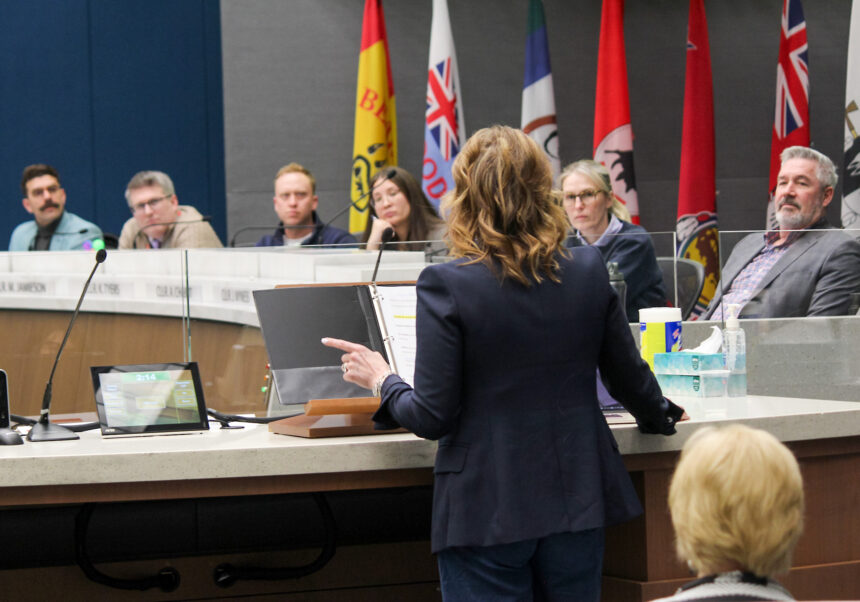

The tension gripping Calgary’s council chambers tells a familiar story. Leaders wrestle with choices that pit today’s comfort against tomorrow’s necessity. Right now, that struggle centers on housing policy that could define our city for decades.
I’ve watched this dynamic play out across countless council meetings. Elected officials face angry residents. They hear passionate pleas. Then comes the hard part: deciding whose future matters more.
Calgary approved a housing strategy not long ago. It aimed to tackle our affordability crisis head-on. The approach included rezoning measures that allowed more housing types in established neighborhoods. Data shows the policy worked. Our city leads the nation in housing construction. Rents started dropping. Families gained options other Canadian cities can’t match.
Yet council now debates rolling back these very changes. The political pressure proved too intense. Opposition grew loud enough that newly elected leaders promised to reverse course. This raises uncomfortable questions about leadership and legacy.
The numbers paint a stark picture. Since 2001, single-detached home prices in Calgary tripled. Average rent jumped from $1,347 in 2021 to $1,870 when the housing strategy passed. One in five households were already stretched thin before these increases hit. Population growth accelerated these pressures. The housing deficit deepened. Competition drove costs higher still.
Without intervention, this trajectory becomes our permanent reality. Council members risk becoming spectators to their own constituents’ struggles. Pointing fingers at previous councils, Ottawa, or provincial leaders won’t house families. Action does. Inaction carries consequences that compound over time.
Public opinion surveys reveal contradictions worth examining. Abacus Data found 64 percent of Canadians think municipal governments aren’t doing enough on housing affordability. People want comprehensive solutions spanning ownership, rentals, and non-market housing. Calgary already built that framework. So why does council consider dismantling it?
The answer lies in electoral mathematics. Housing opponents tend to be homeowners over 45. They vote consistently. They organize effectively. They packed public hearings with opposition to rezoning. Many candidates aligned themselves with this bloc during recent elections. Now those promises come due.
I find the generational divide particularly troubling. Statistics Canada shows roughly 65 percent of municipal election voters are over 45. Young people form a weaker voting bloc. Nearly a third don’t believe homeownership remains achievable for them. Council chambers during public hearings visually confirm this imbalance. Gray hair dominates the room.
Mayor Jeromy Farkas promised to take voter concerns seriously after his election victory. A Janet Brown Opinion Research survey revealed something interesting though. While overall voters supported candidates opposing rezoning, majorities under 45 wanted to keep these policies. Majorities over 45 wanted them gone. This creates council’s central dilemma.
Should councillors steward the city for the next generation even when they’re minority voters? Or should they prioritize reliable voting blocs at the cost of long-term affordability? The answer determines what kind of city we become.
I’ve noticed councillors struggle with weighing competing concerns. Housing sparks intense emotions on both sides. Supporters and opponents both present tearful testimony. This emotional equality tempts leaders toward false equivalence. They treat all concerns as equally valid. But are they?
Consider the comparison. Double-digit annual rent increases versus too many recycling bins in the alley. Fighting neighbors for street parking for your third car versus making homeownership possible for young families. Protecting neighborhood aesthetics versus giving people access to communities they love. These issues don’t carry equal weight.
Calgarians who can’t see this imbalance let personal concerns cloud broader needs. Fear of change shouldn’t outweigh the threatening reality of our housing crisis. You can’t both-sides your way through genuine emergencies. One side faces inconvenience. The other faces being priced out of the city entirely.
Calgary’s history offers perspective here. Secondary suites took eight years to approve after Mayor Naheed Nenshi first proposed them in 2010. The Peace Bridge sparked division. Today it appears in every tourism video promoting our city. The downtown conversion program draws international acclaim while facing constant local criticism. Calgary has always struggled with solutions before embracing them later.
I recognize the political cost of telling constituents “I hear you, but I disagree.” Having covered countless council votes, I’ve watched that courage falter. Critics frame it as not listening. But a councillor’s job isn’t appeasing whoever shows up to meetings. It’s triaging issues and making informed decisions benefiting all Calgarians. That includes the ones who don’t vote yet and the ones too busy working multiple jobs to attend hearings.
The housing strategy wasn’t perfect. No policy ever is. But it moved Calgary forward while other cities stalled. Our construction boom became the envy of Canadian municipalities. Rents actually decreased. Supply started catching up with demand. These outcomes didn’t happen by accident. They resulted from political leaders accepting short-term criticism for long-term gain.
Reversing course now sends a clear message. Political survival matters more than policy outcomes. Vocal opposition carries more weight than measurable results. Future generations rank below current homeowners in priority. That message will echo for years regardless of what council ultimately decides.
I keep thinking about that high school student’s observation during their city hall field trip. “Doesn’t seem like it makes political sense to actually solve problems.” Out of the mouths of youth comes uncomfortable truth. Solving problems creates winners and losers. Inaction avoids blame. Calgary’s municipal politics has long rewarded caution over courage.
This moment tests whether that pattern holds. Council faces a choice between data-driven policy and political convenience. Between electoral mathematics and generational responsibility. Between the Calgarians who vote most reliably and the Calgarians who need help most urgently. These competing pressures make leadership difficult. They also make it necessary.
The question isn’t whether building for future generations costs political capital. It clearly does. The question is whether that cost proves too high for this particular council at this particular moment. Calgary’s housing future hangs on the answer. So does our reputation as a city that solves problems rather than avoiding them.
We’ll know soon enough which path council chooses. The decision will reveal priorities that shape our city for decades. I hope wisdom outweighs expediency. I hope long-term thinking trumps short-term politics. But hope isn’t a strategy. Only courage is. Calgary needs leaders willing to pay the political price for doing what’s right. Whether we have them remains to be seen.