
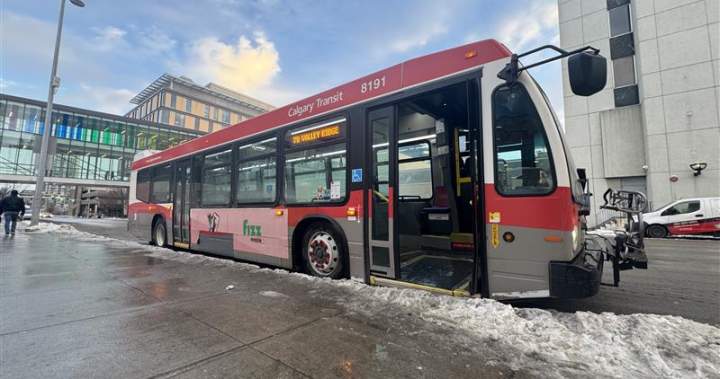

Calgary’s public transit system just got a financial boost that could help thousands of low-income residents get around the city more easily. The provincial government announced new funding to support the city’s sliding-scale transit pass program, which has been a lifeline for many struggling families.
This investment comes at a critical time. I’ve watched Calgary’s affordability crisis unfold over the past few years, and transportation costs keep climbing. For someone working minimum wage downtown, a regular monthly transit pass can eat up a significant chunk of their paycheck.
The province is stepping in with dollars to expand Calgary’s low-income transit pass initiative. This program offers reduced-rate passes based on household income. Families earning below certain thresholds can access monthly passes at deeply discounted rates, sometimes paying less than half the regular price.
Mayor Jyoti Gondek welcomed the funding announcement. She noted that accessible transit remains essential for economic mobility in our city. When people can’t afford to get to job interviews or medical appointments, the entire community suffers.
The timing matters more than some might realize. Calgary Transit ridership took a massive hit during the pandemic. Numbers are recovering, but they’re still below pre-2020 levels. Getting low-income riders back on buses and trains helps rebuild the system while serving vulnerable populations.
Ward 9 Councillor Gian-Carlo Carra has been vocal about transit equity issues. He pointed out that neighborhoods on the city’s periphery often lack the same service frequency as central areas. Residents there face longer commutes and fewer options, making affordable fares even more crucial.
The funding structure works through a partnership model. The province contributes money that Calgary matches to subsidize pass costs. This approach has precedent across Canada. Edmonton runs a similar program, as do Vancouver and Toronto.
I spoke with transit advocates who’ve been pushing for this expansion. They emphasized that transportation poverty is real and measurable. When families spend more than 15 percent of income on getting around, financial strain intensifies quickly.
The numbers tell a compelling story. Calgary’s existing low-income pass program serves roughly 50,000 residents annually. The enhanced funding could expand eligibility and reduce wait times for enrollment. Administrative barriers have been a persistent problem with income verification processes taking months.
Transit officials estimate that each subsidized pass costs the system about 60 dollars monthly. That might sound expensive, but the social return exceeds the investment. People get to work consistently, kids attend school regularly, and healthcare appointments don’t get missed.
Economic development experts see broader implications. Rob Roach from ATB Economics noted that workforce participation depends heavily on reliable transportation. If Calgary wants to attract investment and grow employment, workers need affordable ways to reach job sites.
The funding announcement didn’t specify exact dollar amounts, which frustrated some observers. Transparency around public spending matters, especially when programs target vulnerable populations. City administration promised detailed budget breakdowns in coming weeks.
Critics raised valid concerns about program sustainability. Provincial funding often comes with expiration dates. What happens when this money runs out? Will the city absorb costs, or will eligibility shrink back down? These questions deserve serious answers.
I’ve covered municipal politics long enough to know that transit funding sparks heated debates. Some taxpayers resent subsidies, arguing that people should pay full freight. Others counter that public transit is inherently a public good requiring collective support.
The reality sits somewhere in the middle. Calgary Transit can’t operate on fares alone. Even at full price, rider payments cover only about half the system’s operating costs. Taxes and other revenue sources make up the difference.
Low-income passes represent targeted social policy delivered through infrastructure. Rather than cutting checks directly to struggling families, the program reduces a specific expense that enables economic participation. It’s pragmatic and efficient.
Alberta’s approach differs from some other provinces. BC provides transit subsidies through provincial coordination. Ontario leaves most decisions to municipalities. Our model involves negotiation and cost-sharing, which can slow implementation but builds local buy-in.
Community organizations applauded the funding but want faster rollout. Food bank usage in Calgary hit record levels last year. Shelter capacity remains strained. Transit affordability connects to these broader poverty indicators.
The income thresholds for eligibility matter significantly. If cutoffs are set too low, many working-poor families get excluded. Set them too high, and program costs balloon beyond sustainability. Finding that balance requires careful analysis.
Calgary’s transit system faces other challenges beyond affordability. Safety concerns have escalated, particularly on certain CTrain routes. Service reliability fluctuates with weather and staffing levels. These issues affect low-income riders disproportionately since they depend on transit more completely.
Looking ahead, this funding could serve as a foundation for expanded transit equity initiatives. Some advocates want free transit for all seniors and youth. Others push for employer-subsidized pass programs. Each option carries costs and benefits worth examining.
The provincial announcement fits within larger conversations about urban affordability. Housing costs dominate headlines, but transportation expenses compound financial stress. Addressing both simultaneously makes more sense than tackling them separately.
I’m curious how enrollment numbers change over the next year. If outreach improves and administrative barriers drop, thousands more eligible residents might participate. That would demonstrate real impact and justify the investment.
Calgary’s low-income transit funding enhancement won’t solve poverty alone. But it represents meaningful progress on an issue affecting tens of thousands of residents. Getting people where they need to go affordably strengthens our entire community’s economic health and social fabric.