
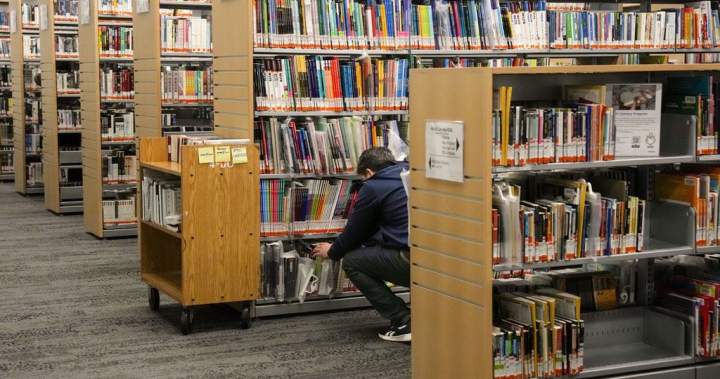

Walking through Calgary’s central library last Tuesday, I watched families spread across reading areas while kids pulled books off shelves with that excited energy you see everywhere. Parents sat nearby, some helping with homework, others just enjoying the quiet. That scene might change soon depending on how this new provincial bill plays out.
The Alberta government just dropped legislation that aims to keep sexually graphic images in library books away from kids under 16. Municipal Affairs Minister Dan Williams made it clear at his news conference that nobody’s banning books outright. Instead, the province wants these materials placed behind counters or in controlled sections where children can’t stumble upon them.
Williams actually brought a book to the announcement and showed reporters exactly what type of graphic content concerns the government. His message was straightforward: families deserve confidence that public libraries have proper safeguards in place. He framed it as balancing family needs against libraries continuing their regular services.
The proposed rules target visual depictions of sexual content specifically. Libraries would need to either keep that material with staff or create separate areas. It follows Premier Danielle Smith’s earlier directive that pulled some books from school library shelves across the province.
I’ve covered municipal politics in this city for years now. The reaction to Williams’ announcement split pretty predictably along party lines.
Opposition NDP Leader Naheed Nenshi didn’t hold back his criticism at the legislature. He pointed to Alberta’s 9.4 billion dollar deficit and questioned why the government would create what he called a team of library inspectors. His questions got specific and pointed. What would these inspectors wear? Would they read every single book? Are they trained librarians?
Nenshi characterized the whole approach as government overreach. He said it removes people’s ability to make their own decisions about what their families read. Then he went further, claiming the government doesn’t believe in human rights but instead wants to dictate what Albertans read, see, and think.
Calgary Mayor Jyoti Gondek told reporters her office is still reviewing the exact legislation. She wants to understand the actual impacts before making definitive statements. Based on conversations with provincial ministers and their public comments, her understanding suggests the bill wasn’t meant to apply to standalone libraries. She emphasized that municipal autonomy should be respected.
The library restrictions actually represent just one piece of this broader bill. Williams included other municipal governance changes that might matter more to city operations long term.
The legislation proposes a provincewide councillor accountability framework. This would establish enforceable conduct standards and require third-party investigations when serious misconduct allegations surface. Currently, different municipalities handle councillor behavior issues differently. This framework would standardize the approach across Alberta.
Another provision requires municipalities to publicly disclose salaries above a certain threshold. Transparency around taxpayer-funded compensation has been a recurring theme in municipal politics lately. This requirement would make salary information accessible to anyone interested.
Gondek actually endorsed these accountability measures. She specifically praised the code of conduct portions, suggesting they align with good governance principles Calgary already tries to follow.
The timing here matters. Calgary’s library system has become a point of pride for residents. The downtown central library opened a few years back and became an architectural landmark. It draws visitors from across North America. Families use it constantly. Students camp out during exam season. Community groups book meeting rooms.
Any provincial requirements that change how the library operates will affect daily experiences for thousands of Calgarians. Library staff will need clear guidance on implementation. What exactly qualifies as sexually graphic visual content? Who makes those determinations? How do you create restricted sections without stigmatizing legitimate educational materials?
These practical questions haven’t been fully answered yet. The bill just got tabled. Committee hearings and debates will follow. Amendments might address some concerns. But the basic tension remains between provincial direction and local control over community spaces.
I’ve talked with several library users this week. Parents generally appreciate some oversight on age-appropriate content. Nobody wants their eight-year-old accidentally finding hardcore sexual imagery. But many also trust librarians as trained professionals who already curate collections thoughtfully.
Young adults and civil liberties advocates worry about censorship creep. If the government restricts visual sexual content today, what category gets restricted tomorrow? Where does protection end and control begin?
Williams insists this isn’t about banning books or limiting adult access to materials. Adults can still request anything they want. The restrictions only apply to what kids can browse independently.
That distinction might satisfy some concerns. But implementation will determine whether this works as intended or creates unnecessary complications.
The provincial government clearly believes it’s responding to legitimate parent concerns. Smith’s administration has positioned itself as defending parental rights and protecting children from premature exposure to adult content.
Critics see government interference in professional library operations and family decisions that parents should make themselves.
Calgary sits in the middle of this debate. Our library system serves diverse communities with different values and expectations. Some neighborhoods lean conservative. Others embrace progressive approaches. The library tries serving everyone.
This provincial bill will test whether one-size-fits-all regulations work for such varied communities. The accountability and transparency measures seem less controversial. Most people support clear conduct standards for elected officials and salary disclosure requirements.
But library content restrictions touch something deeper. They involve questions about childhood, appropriate exposure to adult topics, professional expertise versus parental control, and who decides what communities can access.
Calgary’s response will likely focus on practical implementation rather than ideological battles. City officials generally try working with provincial directives while protecting local interests. Gondek’s wait-and-see approach reflects that pragmatism.
The coming weeks will bring more clarity as the bill moves through legislative processes. Amendments might address concerns. Public hearings could influence final language. Or the government might push it through largely unchanged.
Either way, Calgary libraries will adapt. They always do. The question is whether these new rules protect kids without creating unnecessary barriers or conflicts.