
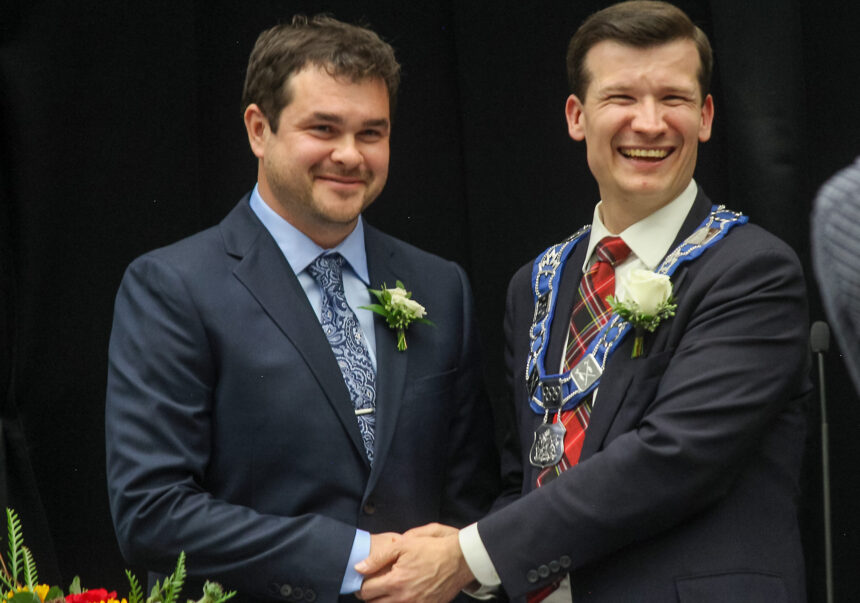

Calgary city council descended into another procedural squabble this week. The clash saw Mayor Jeromy Farkas and Ward 14 Councillor Landon Johnston lock horns over question period protocol. The dispute revealed deeper tensions simmering beneath the surface of municipal governance.
This wasn’t their first rodeo. Farkas and Johnston have sparred before on procedural matters. But this latest confrontation highlighted fundamental disagreements about how council should operate. The friction cost taxpayers about fifteen minutes of council time before regular business could begin.
The disagreement erupted during the March 17 Public Hearing meeting. Question period traditionally allows councillors to query city administration on pressing issues. These exchanges happen publicly, with answers provided in open session. It’s a crucial transparency mechanism for Calgarians watching their government at work.
Calgary’s procedure bylaw caps question period at three queries per meeting. Mayor Farkas placed himself in the queue alongside Councillors Kim Tyers and Raj Dhaliwal. That decision triggered Johnston’s immediate objection through a formal point of privilege.
Johnston argued mayors historically step aside during question periods. He noted Farkas controls when the meeting starts by striking the gavel. Previous mayors typically yielded the floor to councillors for this segment. Johnston saw Farkas’s participation as breaking with established practice.
Farkas countered with his own institutional memory. He referenced roughly five years of council experience. The mayor noted predecessors occasionally asked questions during emergent situations. Weekend developments or urgent matters sometimes warranted mayoral intervention, he explained.
Johnston then challenged the chair’s ruling. Council voted to uphold Farkas’s decision. But the mayor ultimately relented anyway. He allowed Johnston’s question through a procedural motion after debate consumed valuable meeting time.
Farkas used his question slot to address a southeast Calgary fire. He asked administration about water consumption for the blaze. The answer was seven million litres. Interestingly, this information had already been shared at the previous day’s Bearspaw water update.
Johnston’s question focused on reconciliation project spending. He’d been posting about the $7.5 million Wandering Spirit location at Confluence Parkland. He also raised concerns about costs for removing the temporary residential school memorial outside the municipal building. These expenditures clearly weighed on his mind.
The public clash reflects Johnston’s broader approach to his role. Data obtained by LiveWire Calgary reveals his voracious appetite for information. Since taking office, Johnston submitted 216 administrative inquiries through the Council Inquiry Management System.
That figure stands nearly thirty percent higher than the next councillor. Ward 6’s John Pantazopoulos filed 171 inquiries during the same period. Johnston outpaced Ward 1’s Kim Tyers by roughly fifty percent with her 144 submissions.
The City of Calgary emphasized the inquiry system represents one channel among several. Administration noted councillors maintain multiple pathways for gathering information. They can contact business unit directors, department general managers, and senior executives directly. The 311 system remains available for constituent service requests.
Outside the chamber, Johnston defended his inquiry volume. He frames his approach as accountability-focused digging. For Johnston, it boils down to a fundamental question of trust. He wants assurance taxpayer dollars get spent appropriately.
Johnston expressed concern about both underspending and overspending. He emphasized the need for clarity and transparency in municipal finances. He promised to continue fighting for these principles regardless of criticism.
I’ve covered city hall long enough to recognize patterns. Some councillors prefer working quietly behind the scenes. Others stake their reputation on public questioning and visible accountability. Johnston clearly falls into the latter category.
Farkas defended question period as vital for councillor oversight. He noted issues of the day demand public airing. According to the mayor, question periods often go unused. Meetings frequently conclude with fewer than three questions asked.
The mayor acknowledged administrative inquiries serve similar purposes. They allow councillors to gather information and hold administration accountable. The difference lies primarily in visibility and timing.
This procedural fight reveals competing visions for council operations. Farkas represents a more flexible interpretation of tradition. He sees mayor participation as occasionally necessary and appropriate. Johnston champions stricter adherence to past practice. He views the mayor’s role differently than the councillor function.
Calgary residents watching this unfold might wonder about priorities. Fifteen minutes of debate over who asks questions seems excessive. The city faces genuine challenges requiring focused attention. Housing affordability continues squeezing families. Infrastructure needs compete for limited dollars. Economic diversification remains incomplete.
Yet procedural clarity matters too. How council operates affects what gets accomplished. Rules governing debate shape policy outcomes. Transparency mechanisms determine public access to decision-making. These fights aren’t purely academic exercises.
Johnston’s inquiry numbers suggest genuine engagement with administrative details. Whether that volume represents diligence or micromanagement depends on perspective. Accountability advocates likely applaud his thoroughness. Critics might question efficiency and staff time consumption.
The relationship between Farkas and Johnston appears increasingly strained. This latest dustup follows previous disagreements between the two. Political observers will watch whether their relationship deteriorates further. Council effectiveness often hinges on working relationships among members.
Mayor Farkas faces the challenge of managing diverse councillor personalities. Some prefer collaboration and consensus-building. Others stake positions and fight publicly. Balancing these approaches while advancing city priorities requires political skill.
Johnston seems committed to his confrontational accountability style. He’s staking his political identity on transparency and questioning. Whether voters reward this approach remains to be seen. The next election will offer one measure of public opinion.
For now, Calgary residents can expect more procedural battles. The underlying tensions driving this conflict haven’t been resolved. City council meetings will likely feature additional clashes. Hopefully future disagreements won’t consume quite so much valuable meeting time.