
Calgary homeowners are bracing for another financial hit. Property tax bills are climbing 8.1 per cent this year. But here’s the thing most people don’t realize: city hall isn’t the main culprit this time around.
I’ve covered municipal politics in this city for years. This situation feels different. Council actually showed restraint during last fall’s budget deliberations. They whittled their proposed increase down to just 1.2 per cent for residential properties. That’s almost nothing when you factor in inflation and the growing demands on city services.
The real story here is what’s happening at the provincial level. Alberta’s government is demanding a 19.8 per cent increase in the education property tax requisition from Calgary homeowners. That’s a massive jump. Non-residential properties face an 8.8 per cent provincial increase too.
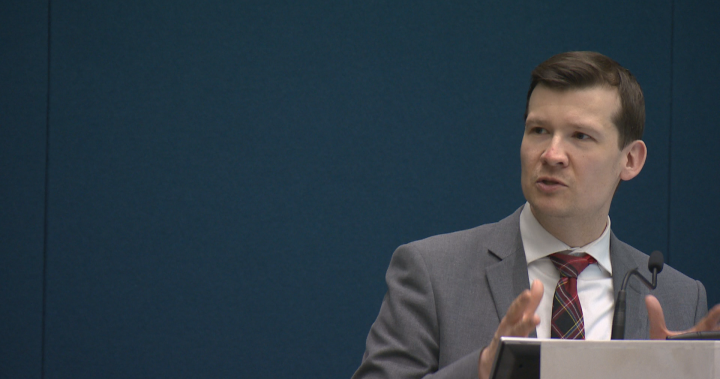
Mayor Jeromy Farkas made this point clear during Tuesday’s council meeting. “Our city council team did the hard work,” he told reporters. “We lived within our means, we spent responsibly.” He’s not wrong. The municipal portion of this increase is minimal compared to what the province is asking for.
Let’s break down what this means for actual families. The typical single-family home in Calgary has a median assessment of $706,000. Those homeowners will see a nine per cent property tax increase. That translates to an extra $32.25 per month. Over a year, that’s nearly $387 more.
Condo owners catch a bit of a break. The typical residential condo assessed at $347,000 faces a four per cent hike. That’s an additional $7.41 monthly. Still, it’s money coming out of household budgets already stretched thin by grocery prices and utility costs.
Multi-residential properties get hit hardest. They’re looking at a 16.2 per cent increase this year. Landlords will likely pass those costs onto tenants. That’s how it always works. And in a city already dealing with rental affordability challenges, this adds fuel to the fire.
The business community faces a 2.5 per cent increase for the median assessed non-residential property. That’s relatively modest. But after years of economic uncertainty and downtown vacancy issues, even small increases matter to struggling businesses.
Here’s the number that really stands out: Calgary will send over $1.2 billion in property taxes to the province this year. That’s a $200 million increase from last year. According to city officials, that’s the highest amount per capita of any Alberta city. We’re essentially subsidizing provincial priorities at a level no other municipality matches.
Ward 13 Councillor Dan McLean acknowledged the complexity during Tuesday’s debate. “There was a loud cry for more teachers, more schools, more supports,” he said. “Which comes at a cost.” He voted against supporting the provincial increase but recognized many residents want improved education funding.
The math is stark. For every dollar Calgary collects in property taxes, 42 cents goes straight to provincial coffers. City officials emphasize this repeatedly. It’s not staying local. It’s not fixing potholes or funding recreation centres. It’s covering education costs the province determines.
Farkas is pushing for transparency. He wants the provincial government to allow Calgary to issue two separate property tax bills. One would show the municipal portion. The other would show the provincial portion. That way, homeowners could see exactly which level of government is responsible for what. Current legislation prohibits this approach. Only one bill can be issued.
I’ve talked to enough frustrated homeowners over the years to know this matters. People blame city council when their tax bills jump. But often, provincial decisions drive those increases. Making that distinction clear could shift political pressure where it belongs.
The mayor is also banking on oil prices. Alberta’s recent energy windfall should theoretically generate additional provincial revenue. Farkas argues that money should flow back to municipalities for infrastructure projects. “The provincial government indicated that the lack of support for municipalities and infrastructure this time around was based on the lack of resource royalties,” he explained.
But the province isn’t committing to anything yet. A spokesperson for Alberta’s finance minister acknowledged that higher oil prices could “hypothetically” help offset deficits. However, they stressed that nothing in this year’s budget changes based on recent price spikes.
The provincial statement was clear: “The higher oil prices, up until April 1, go toward offsetting the 2025-2026 deficit.” They pointed to a projected $9.4 billion deficit for Budget 2026. A few weeks of strong oil prices won’t erase an entire year of challenges.
Provincial officials invited Farkas to submit proposals during the 2027 budget consultation period. That’s political speak for “we’ll think about it later.” It doesn’t help homeowners facing increased bills this June.
Some council members see opportunity in this situation. Ward 4 Councillor DJ Kelly suggested an interesting angle. “Certainly if we don’t see Calgarians getting upset about the province increasing their property taxes,” he told reporters, “that maybe gives us a little bit of licence to do things a little bit faster.”
He’s referring to infrastructure needs across the city. Established communities need road paving. Recreation centres require upgrades. Playgrounds need replacement. All of that costs money. If residents accept an 8.1 per cent increase without major pushback, council might feel empowered to fund priorities more aggressively in future budgets.
I find that logic somewhat troubling. Just because people don’t loudly protest doesn’t mean they’re comfortable with tax increases. Many Calgarians are resigned rather than accepting. They feel powerless to change decisions made by distant government officials.
Property tax bills hit mailboxes in May. Payment is due June 30 for those who pay annually. That gives homeowners about two months to figure out how to absorb the additional costs.
This situation highlights a broader challenge facing Calgary. The city continues growing. Infrastructure demands increase. But funding mechanisms remain outdated and heavily dependent on property taxes. Provincial support fluctuates based on political priorities and economic conditions.
I’ve watched this pattern repeat throughout my career covering city hall. Calgary builds, expands, and attracts new residents. Then it struggles to fund the services and infrastructure those residents need. The gap between growth and resources creates constant tension.
Until provincial and municipal governments develop a more sustainable funding model, these annual property tax debates will continue. Homeowners will keep opening their bills with dread. Council members will keep making difficult choices. And the blame game between government levels will persist.
For now, Calgary homeowners should prepare for that extra $32.25 monthly hit. It might not sound like much. But combined with everything else rising in cost, it adds up quickly.