
Calgary’s public hearing on citywide rezoning kicked off its first day, and honestly, it felt like déjà vu. The arguments echoed what we heard back in 2024, though this time the stakes feel different.
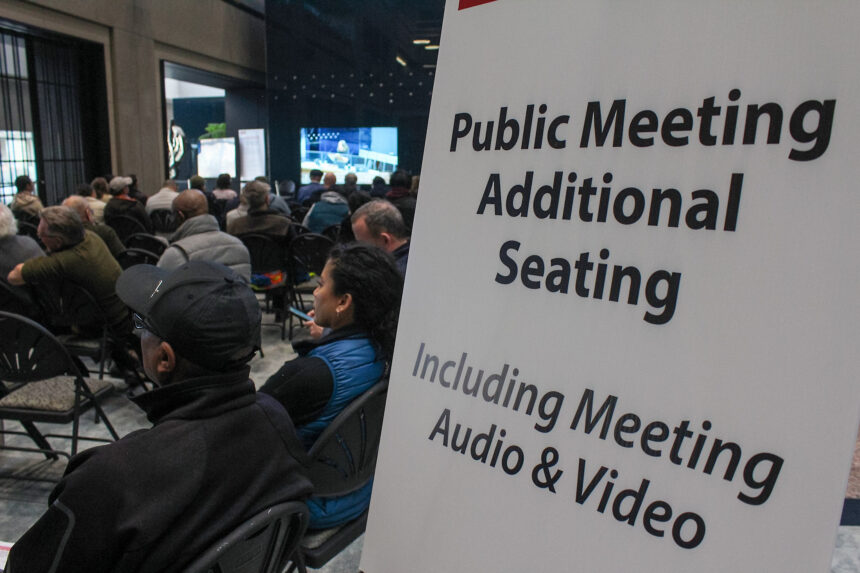
Council dedicated the entire March 23 session to one question: should Calgary repeal the citywide rezoning approved last May? By evening, only 11 of 80 registered panels had spoken. Roughly 400 people signed up to participate. That’s a lot of voices waiting to be heard.
The format rotated between supporters, opponents, and neutral speakers. It’s a structured approach, though some might argue it lacks spontaneity. Still, it ensures everyone gets their turn.
The pattern from 2024’s month-long hearing repeated itself almost word for word. Supporters championed housing choice, affordability, and sustainability. They pushed for limiting sprawl and using existing infrastructure more efficiently.
Chloe Chan spoke against repealing the policy. She argued rezoning provides housing options for residents at every life stage. Going backward, she warned, limits choices and potentially raises costs for everyone.
“Our city is already in a vulnerable position, with the dire state of our infrastructure, high population growth, and unreliable provincial government,” Chan said. “Reintroducing a bottleneck to our development at this moment is as good as taking a crowbar to the kneecaps, when what we need is a brace.”
That’s pretty vivid imagery. And frankly, she’s not wrong about Calgary’s infrastructure challenges.
On the flip side, opponents want the repeal. Their concerns haven’t changed much either. They say rezoning hasn’t improved affordability, only developer profits. Parking nightmares, traffic congestion, neighborhood character erosion, infrastructure strain, privacy loss, and reduced sunlight topped their list.
Tracy Cherniawsky from Bayview reminded council that despite massive opposition last time, council proceeded anyway. She called it a “terrible idea” and expressed hope this new council would actually listen.
“We are not interested in tweaks, slight changes, or modifications of any kind,” Cherniawsky stated. “We want our single dwelling houses to revert back to the way they were as single dwelling houses.”
I’ve covered enough city politics to know that kind of language signals deep frustration. When residents say “no modifications,” they mean business.
Mayor Jeromy Farkas acknowledged the similarities but pointed out key differences. This council was largely elected specifically to revisit rezoning. That’s significant. Electoral mandates matter, even if you disagree with the outcome.
Farkas also noted that council was previously told rezoning would solve affordability and generate specific housing numbers. The evidence, he suggested, hasn’t supported those promises.
“I think it’s important for Calgarians to have their voices heard,” Farkas said. “Myself, many of my colleagues ran on a very strong mandate to take a look at this as an issue.”
City administration has consistently stated rezoning wasn’t a silver bullet. It was one piece of the 97-recommendation Home is Here Strategy. Context matters here. Nobody ever claimed this single policy would magically fix everything.
Ward 11 Councillor Rob Ward raised an interesting procedural concern. He spent his weekend reviewing all 2,400 public submissions. Something didn’t add up.
The wording of the question this time around confused people. Over 200 submissions marked “opposed” actually opposed blanket rezoning itself, not the motion to repeal it. That’s a massive communication failure.
“When they did the public submission, there was an opportunity to say you were opposed, in favour or neutral,” Ward explained. “And a lot of people actually said that they put opposed when really they’re saying they’re opposed to blanket rezoning, not opposed to the motion to repeal it.”
Last year, the question asked if people supported applying new citywide rezoning rules. This year, it asks about repealing them. Subtle difference, huge confusion. I’ve seen clearer ballot initiatives at community association meetings.
Ward manually reclassified submissions based on actual intent. That’s dedication, though it raises questions about how the survey was designed in the first place.
Council agreed to extend hearing times until 9:30 p.m. each night. Previous lengthy hearings often cut days short. This approach shows commitment to hearing everyone out, even if it stretches into late evening.
The housing debate in Calgary remains deeply polarized. Supporters see rezoning as essential for growth, affordability, and sustainability. Opponents view it as neighborhood destruction benefiting developers at residents’ expense.
Both sides present legitimate concerns. Housing affordability is a real crisis. So is infrastructure strain. So is preserving community character. These aren’t mutually exclusive problems, but finding solutions that address all simultaneously proves elusive.
Calgary’s population continues growing rapidly, putting pressure on housing supply. Provincial unpredictability adds another layer of complexity. Municipal governments can only control so much when provincial policies shift unexpectedly.
The infrastructure argument cuts both ways. Building outward strains city resources across larger distances. Building upward concentrates demand in areas where underground systems weren’t designed for higher density. Neither option is perfect.
Developer profits always trigger suspicion. That’s understandable. But developers also respond to market signals and regulatory frameworks. If we want different outcomes, we need different incentives. Simply blaming developers oversimplifies complex economic dynamics.
The sunlight and privacy concerns reflect genuine quality-of-life issues. When a fourplex replaces a single-family home next door, impacts are real. Dismissing these concerns as NIMBYism ignores lived experiences.
Traffic and parking complaints merit attention too. Calgary wasn’t designed for high-density neighborhoods everywhere. Transit infrastructure remains underdeveloped in many areas. Adding density without transportation solutions creates predictable problems.
The hearing will continue through multiple sessions. With 400 participants and only 11 panels heard so far, we’re looking at many more days ahead. That’s democracy in action, messy and time-consuming.
This issue defined the last municipal election. It’ll likely define the next one too. Housing policy has become Calgary’s most contentious political topic, overshadowing even budget debates.
Whatever council decides will disappoint roughly half the city. That’s the nature of divisive issues. The question isn’t whether everyone will be happy—they won’t. The question is whether council makes a defensible decision based on evidence and public input.
I’ve watched Calgary politics long enough to know grand solutions rarely work as advertised. The 2024 rezoning wasn’t going to solve everything. Repealing it won’t either. We need nuanced approaches, not sweeping declarations.
But nuance doesn’t win elections. “Repeal blanket rezoning” fits on a lawn sign. “Implement targeted density increases coordinated with infrastructure investment” doesn’t.
The hearing continues. Calgarians will keep speaking. Council will eventually vote. And we’ll see whether this new council charts a different course or stays the path set last year.