
I’ve been covering city infrastructure for years, and I’ll tell you straight—Thursday morning felt like Calgary finally exhaled. After four grinding weeks of Stage 4 water restrictions, the city lifted all conservation measures as crews wrapped up emergency work on the Bearspaw South feeder main.
The announcement came at 8 a.m. on April 2nd through the city’s official update page. Michael Thompson, Infrastructure Service General Manager, didn’t mince words at the morning press conference. Water is flowing. The system is stable. Normal use can resume immediately.
That means outdoor watering is back on the table. Indoor conservation? No longer necessary. We can all stop feeling guilty about that extra-long shower.
But here’s the part that kept me scribbling notes furiously. Thompson made it crystal clear this isn’t a permanent fix. The pipe could break again. And if it does, we’re right back to restrictions.
I’ve watched this city navigate infrastructure crises before, but this one hit different. The Bearspaw South feeder main has been on borrowed time for years. Everyone in city hall knows it. The replacement line is still being built, which means we’re essentially driving on a spare tire.
Mayor Jeromy Farkas backed up Thompson’s cautious tone. He said the pipe isn’t reliable and the current situation isn’t perfect. It’s about limiting risk, not eliminating it. The real solution comes when the new pipe goes online.
Over the past month, crews tackled nine critical segments. They installed reinforcing steel. Poured concrete. Backfilled excavations. Repaved roadways. The final four days involved refilling the line, testing water quality, and making sure everything stayed stable.
There was also valve repair work that Thompson mentioned briefly. Apparently, some valves weren’t fully operational. That’s infrastructure speak for “we found more problems while fixing the main problem.” Classic Calgary water system issues.
Thompson praised the crews for finishing slightly ahead of schedule. That’s no small feat when you’re working on a pipe everyone agrees is fragile. The December 30th break taught city officials just how delicate this infrastructure really is.
Recreation facilities are returning to normal operations. Hot tubs and kiddie pools are being refilled. They’ll reopen once they’re safe for use. I know plenty of families who’ve been waiting for this news.
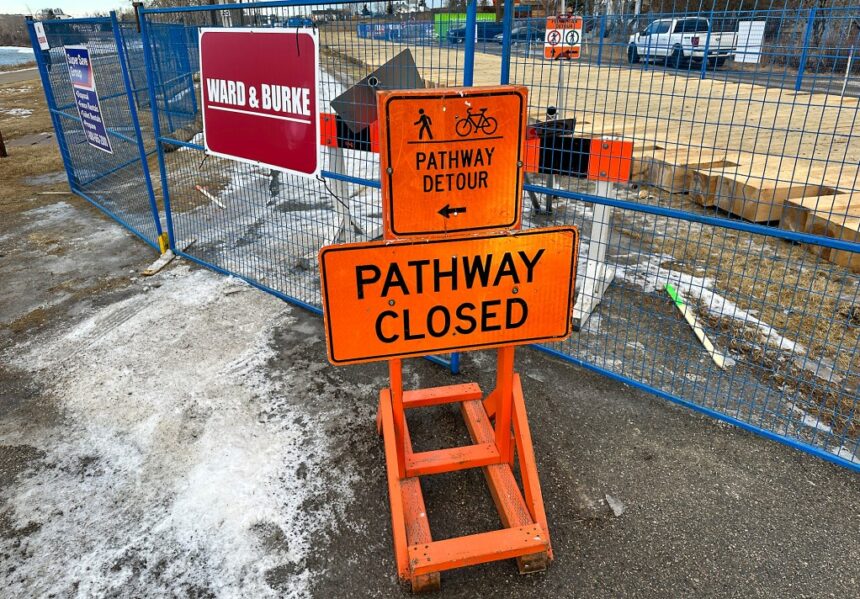
Surface work wrapped up Thursday. Detours started coming down over the weekend. If you’ve been navigating those construction zones daily like I have, you know what a relief that is.
Both Thompson and Farkas took time to thank Calgarians for staying under the 500 million liter daily threshold. That cooperation made all the difference. It allowed crews to complete repairs without compromising emergency services like firefighting.
I’ve covered enough city stories to know when officials are genuinely impressed. This was one of those times. The collective effort from residents and businesses kept water demand manageable throughout the shutdown.
Farkas called this “the end of the beginning.” There’s still journey ahead. Additional repairs are planned for fall, which means more restrictions are coming. We might as well mark our calendars now.
The city hasn’t released specific dates for those fall repairs yet. But given what we just went through, expect similar conservation measures when that work begins. This aging infrastructure won’t maintain itself.
I spoke with a few local business owners after the announcement. The relief was palpable. Car washes, landscaping companies, restaurants—they all took hits during restrictions. Getting back to normal operations means recovering lost revenue.
One restaurant manager told me they’d been limiting dishwasher cycles and simplifying menu items. Another business owner mentioned losing contracts because clients didn’t want to wait out the restrictions.
The economic ripple effects from infrastructure failures don’t make headlines as often as the initial crisis. But they’re real and they add up quickly across a city this size.
What strikes me most about this whole situation is the vulnerability it exposed. Calgary is a modern city with nearly 1.4 million people. Yet we’re one pipe break away from mandatory conservation at any given moment.
The Bearspaw South feeder main supplies a massive portion of our water. When it goes down, there’s no backup plan that doesn’t involve restrictions. That’s a sobering reality for a city that’s supposed to be growing.
City officials have been transparent about the replacement timeline. The new pipe is being built, but major infrastructure doesn’t appear overnight. We’re looking at months, possibly years, before the permanent solution is operational.
Until then, we’re in a holding pattern. Use water normally but understand the system is fragile. Enjoy your lawn sprinklers but know restrictions could return with little warning.
Thompson’s comment about December 30th stuck with me. That break happened during the holidays when usage typically drops anyway. Imagine if it had happened during summer peak demand. The restrictions would have been far more severe.
The fall repairs will likely test our patience again. But after what we just went through, I suspect Calgarians will step up. We’ve proven we can hit conservation targets when it matters.
I’ll be watching how the city communicates those upcoming shutdowns. Transparency made this recent work period manageable. Residents knew what was happening, why it mattered, and how long it would last.
That’s the template moving forward. Clear timelines. Regular updates. Honest assessments about risk and reliability.
For now, Thursday’s announcement lets Calgary get back to normal routines. But normal comes with an asterisk. This infrastructure crisis isn’t over. It’s just paused while crews prepare for the next round of repairs.