
I’ve watched Calgary residents navigate countless infrastructure challenges over my years covering this city, but the resilience shown during these recent water restrictions really stood out. Thursday morning brought welcome news that many had been waiting for since early March.
The city officially lifted all water restrictions after completing critical work on the Bearspaw South feeder main. Michael Thompson, who heads Infrastructure Services for Calgary, made the announcement at 8 a.m. on April 2. Crews had spent four weeks repairing nine segments of the aging pipeline that supplies much of our water.
Stage 4 restrictions had been in place since March 9. For those unfamiliar with what that meant, residents couldn’t water lawns, wash cars, or fill pools. Indoor conservation became part of daily routines. People took shorter showers and turned off taps between tasks. It wasn’t convenient, but Calgarians largely complied.
Thompson explained that work crews installed reinforcing steel throughout the affected areas. They poured concrete, backfilled excavations, and repaved roads. The final four days involved refilling the massive pipeline, testing water quality, and ensuring everything remained stable. Some valve repairs were also necessary to get systems fully operational again.
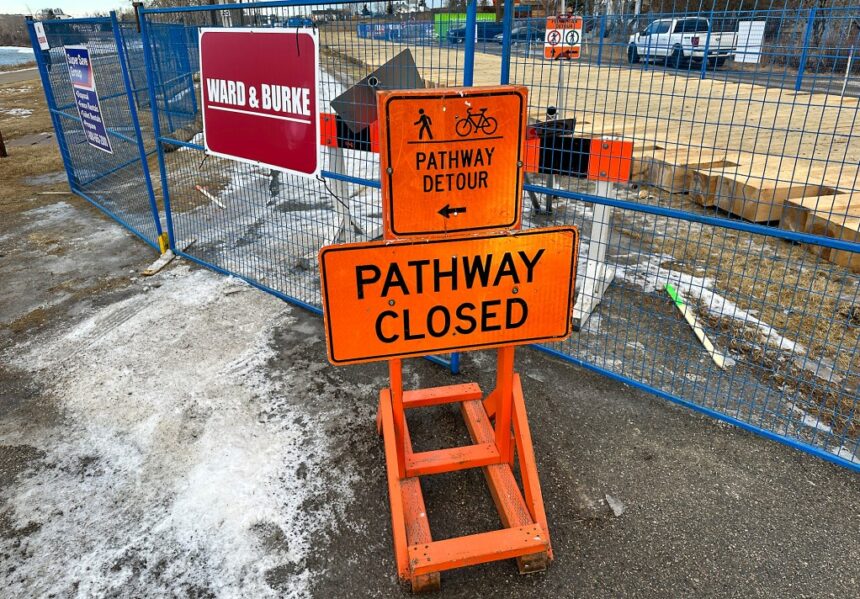
Surface work wrapped up Thursday, with road detours scheduled for removal over the weekend. Recreation facilities across the city began returning to normal operations. Hot tubs and kiddie pools that had been drained were being refilled, though they wouldn’t reopen until safety checks confirmed they were ready.
The return to normal water use sounds great on paper. But Thompson and Mayor Jeromy Farkas both issued clear warnings about what lies ahead. This repair doesn’t mean the problem is solved permanently.
Thompson made a point that stuck with me during the news conference. He said there’s no guarantee the pipe won’t break again. That’s not the kind of reassurance anyone wants to hear, but it’s honest. He referenced the December 30 incident, calling it a reminder of just how fragile this infrastructure has become.
Mayor Farkas echoed that concern with direct language. The system isn’t perfect right now. The city is managing risk as best it can, but that risk won’t disappear until the replacement pipeline becomes operational. That’s still some time away.
I’ve covered enough city infrastructure stories to know that aging pipes don’t improve with age. The Bearspaw South feeder main has been serving Calgary for decades. While crews can patch and reinforce, the fundamental issue remains. The pipe is old and vulnerable.
What impressed both Thompson and Farkas was how well Calgary residents responded during the restrictions. The city had set a daily water consumption target of 500 million liters. Staying below that threshold was essential for allowing repair work to proceed smoothly. It also ensured adequate water remained available for critical needs like firefighting.
Calgary came through. Water consumption remained manageable throughout the four-week period. That level of community cooperation doesn’t always happen, especially when restrictions last this long and affect daily routines so significantly.
City business units and construction crews also earned recognition for completing the work slightly ahead of schedule. Infrastructure projects rarely finish early. Weather, equipment issues, and unexpected complications typically add delays. Finishing on time, let alone early, represents solid execution.
Mayor Farkas called this moment “the end of the beginning.” That phrase captures the reality facing Calgary’s water infrastructure. The immediate crisis is resolved, but the larger journey continues. Additional repairs are already scheduled for fall, and those will likely require water restrictions again.
The replacement pipeline remains the ultimate solution. Until that new infrastructure comes online, Calgary residents should expect periodic disruptions. Planning around those disruptions will become part of managing a growing city with aging systems.
From a broader perspective, this situation highlights challenges facing many Canadian cities. Infrastructure built decades ago wasn’t designed for current population levels. Calgary’s growth has put increasing demands on systems that were adequate when installed but struggle now.
Investment in infrastructure rarely generates headlines until something breaks. Then suddenly everyone pays attention. The Bearspaw situation brought that dynamic into sharp focus. Residents experienced firsthand what happens when critical systems fail.
The city’s transparency throughout this process deserves mention. Regular updates kept people informed about progress, timelines, and expectations. Thompson and other officials didn’t sugarcoat the challenges or make promises they couldn’t keep.
That honesty builds trust, even when the news isn’t ideal. Calgarians understand the pipe could break again. They know more restrictions are coming. But they also know the city is working toward permanent solutions while managing immediate risks.
Looking ahead, the fall repair schedule will test community patience again. People will need to resume conservation measures during that work period. How well residents respond the second time around remains to be seen. Initial cooperation was strong, but restriction fatigue could become a factor.
Businesses also felt the impact during these restrictions. Restaurants, car washes, landscaping companies, and recreation facilities all adapted operations. Some lost revenue. Others found creative workarounds. The economic ripple effects touched more sectors than many people realize.
As someone who’s covered this city for years, I’ve seen Calgary handle adversity before. Floods, economic downturns, and various infrastructure challenges have tested this community repeatedly. The consistent response has been practical resilience combined with a willingness to work together.
This water restriction period fit that pattern. Complaints were minimal considering the inconvenience involved. Most people understood the necessity and adjusted accordingly. That civic-mindedness makes covering Calgary news rewarding, even when the topics involve challenges.
The immediate relief of lifted restrictions will likely give way to longer-term questions about infrastructure funding and priorities. How quickly can the replacement pipeline be completed? What other aging systems need attention before they fail? Those discussions are already happening in council chambers and community meetings.
For now, though, Thursday’s announcement lets everyone breathe easier. Lawns can be watered. Pools can be filled. Normal routines can resume. That return to everyday life feels good after four weeks of careful conservation.
But Mayor Farkas was right to frame this as an ongoing journey rather than a finished story. Calgary’s water infrastructure challenges didn’t end when restrictions lifted. They simply entered a new phase that requires continued attention, investment, and yes, probably more temporary restrictions down the road.