
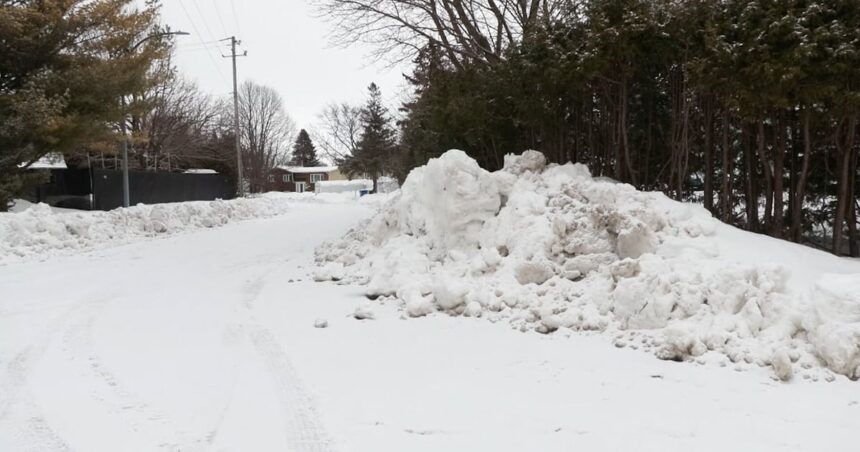

Article – The sound of rushing water carries a particular weight in Châteauguay these days. Residents along certain stretches of the municipality know that sound all too well, and this spring, they’re listening more carefully than ever.
Municipal authorities have placed parts of Châteauguay on high alert for potential flooding. It’s not a surprise to anyone who’s lived through Quebec’s unpredictable spring seasons. The combination of melting snow, fluctuating temperatures, and spring rainfall creates conditions that demand constant vigilance. For families who’ve watched water creep toward their homes before, this isn’t just an administrative notice. It’s a call to action.
The City of Châteauguay has identified specific zones where flood risk remains elevated. These areas typically include properties near waterways and low-lying sections where water naturally accumulates. Officials are monitoring water levels daily, adjusting their assessments as conditions evolve. Emergency services remain on standby, ready to respond if the situation deteriorates rapidly.
I’ve covered enough flood alerts across the Montreal region to recognize the pattern. There’s always that initial announcement, then a period of watchful waiting. Residents check forecasts obsessively. They move valuables to upper floors. Some fill sandbags preemptively, stacking them near doorways and vulnerable entry points. It’s exhausting, this state of perpetual readiness.
Local emergency management coordinator Marc Deneault explained that preparedness makes all the difference. “We’ve learned from previous years,” he stated in a municipal briefing. “Early warning systems and community cooperation significantly reduce damage when water levels rise.” His team has been conducting regular patrols through vulnerable neighborhoods, maintaining communication with residents who might need assistance evacuating.
The meteorological forecast adds another layer of complexity. Environment Canada has predicted variable conditions over the coming weeks. Warm spells could accelerate snowmelt in northern regions, sending more water downstream. Conversely, sudden cold snaps might slow the process temporarily. Either scenario requires different preparation strategies, and residents must stay flexible in their response plans.
Châteauguay isn’t alone in this seasonal anxiety. Communities throughout the Montérégie region face similar challenges each spring. The geography of southern Quebec creates natural vulnerabilities. Rivers that seem manageable most of the year can transform into formidable forces when fed by snowmelt from the Laurentians and Eastern Townships. Local infrastructure, some dating back decades, wasn’t always designed with climate variability in mind.
Long-time resident Catherine Rousseau has lived in the same Châteauguay home for twenty-three years. She remembers the significant floods of 2017 and 2019 vividly. “You never forget watching water approach your house,” she shared during a neighborhood meeting. “We’ve improved our preparation methods, but the stress returns every spring.” Her basement now contains minimal storage, and she’s installed a sophisticated sump pump system as insurance against future events.
The economic impact extends beyond immediate property damage. Businesses near flood-prone areas experience disruptions even when water doesn’t reach their premises. Customers avoid certain routes. Supply chains face interruptions. Insurance premiums climb steadily. Small business owner Daniel Lefebvre operates a café near one of the monitored zones. He’s developed contingency plans that include temporary relocation options and modified hours if accessibility becomes compromised.
Municipal infrastructure teams have been working proactively to minimize damage potential. Storm drains receive thorough cleaning to ensure maximum capacity. Pumping stations operate at optimal levels. Temporary barriers stand ready for rapid deployment. These preparations require significant financial investment, but the alternative—catastrophic flooding—costs far more in both monetary terms and community wellbeing.
Provincial authorities from the Ministère de la Sécurité publique have coordinated with local officials to ensure resource availability. Specialized equipment, personnel, and emergency supplies can be mobilized quickly if needed. This coordination represents lessons learned from previous flood events that overwhelmed some municipalities when they faced crises alone. The collaborative approach creates a safety net that individual communities couldn’t provide independently.
Climate patterns have shifted noticeably over the past decade. Meteorologists point to data showing more extreme weather events with greater frequency. Spring flooding risk periods have become less predictable, extending over longer timeframes. Traditional markers that older residents once relied upon—specific dates when ice typically broke, usual peak melt periods—no longer provide reliable guidance.
I walked through one of the alert zones yesterday afternoon. The atmosphere was quiet but tense. Several homes displayed sandbag barriers already in place. A few residents were outside, inspecting their properties with careful attention. There’s a particular kind of community solidarity that emerges during these situations. Neighbors check on each other. Information gets shared quickly. People offer assistance to elderly residents or those with mobility challenges.
The psychological toll of repeated flood alerts shouldn’t be underestimated. Living with seasonal uncertainty affects mental health, particularly for those who’ve experienced property damage previously. Community health workers have noted increased anxiety symptoms among vulnerable populations during high-risk periods. Support resources remain available, though many residents hesitate to access them, viewing physical preparation as more urgent.
Technology has improved monitoring capabilities considerably. Real-time data from river gauges, satellite imagery, and predictive modeling provide authorities with better information than ever before. Residents can access updates through municipal websites, social media channels, and emergency notification systems. This transparency helps, though it can’t eliminate the fundamental uncertainty that defines flood risk management.
Looking ahead, the next two weeks will prove critical. Weather forecasts suggest variable conditions that could either stabilize the situation or trigger more serious concerns. Municipal officials continue urging residents in alert zones to maintain preparedness while avoiding panic. It’s a delicate balance, acknowledging real risk without creating unnecessary alarm.
For Châteauguay residents in affected areas, vigilance has become a springtime routine. They’ll watch the skies, monitor official updates, and keep emergency supplies ready. Some will sleep less soundly until the risk period passes. Others will maintain optimistic determination, trusting their preparations and community support systems. Either way, they’ll face this challenge together, as they have before.