

Walking through Edmonton’s rapidly expanding neighborhoods lately, I’ve noticed something unmistakable. Construction cranes dot the skyline, new subdivisions stretch toward the horizon, and families keep arriving. It’s clear our city needs more schools, and the provincial government finally listened.
Alberta’s education minister recently announced locations for nine new schools across Edmonton. This news matters deeply to thousands of families who’ve watched their kids squeeze into overcrowded classrooms or endure lengthy bus rides to distant schools.
The announcement addresses a problem I’ve watched grow worse each year while covering education stories. Parents in newer neighborhoods like Keswick, Laurel, and Glenridding have long advocated for schools closer to home. Their persistence paid off.
Three elementary schools will serve southeast Edmonton communities. One heads to Keswick, another to Laurel, and a third to Glenridding. These neighborhoods have exploded with young families over the past decade. Walking through these areas on assignment, I’ve seen playgrounds packed with children and heard countless stories from parents frustrated by the lack of nearby schools.
Southwest Edmonton isn’t forgotten either. The Allard neighborhood will receive both an elementary school and a kindergarten through grade nine school. This dual approach makes sense given how quickly this area has grown. I remember when Allard was mostly empty land. Now it’s a thriving community desperately needing educational infrastructure.
The Mill Woods Town Centre area gets an elementary school too. This matters because Mill Woods continues evolving as one of Edmonton’s most diverse, vibrant communities. Families there have waited years for additional school capacity.
Northwest Edmonton secures a kindergarten through grade nine school in the Goodridge Corners neighborhood. Meanwhile, northeast families in Pilot Sound will see their own kindergarten through grade nine facility. The geographic spread shows genuine attention to Edmonton’s growth patterns across all quadrants.
Here’s what strikes me most about this announcement. It represents approximately 9,000 new student spaces across our city. That’s not just a number. That’s 9,000 kids who’ll walk to school instead of sitting on buses for an hour. That’s 9,000 families with more time together in the mornings.
https://www.cbc.ca/news/canada/edmonton/new-school-projects-edmonton-9.7117970 reported these schools as part of a larger provincial commitment. Alberta Education plans to build or modernize 25 schools province-wide. Edmonton clearly secured a significant portion of that investment.
The timeline matters to families planning their futures. Construction timelines weren’t specified in the initial announcement, which leaves some uncertainty. However, typical school construction in Alberta takes roughly three to four years from announcement to opening day.
I’ve covered enough municipal stories to know that land acquisition, design phases, and contractor selection all take time. Patient families have learned that “announced” doesn’t mean “completed.” Still, this represents tangible progress after years of advocacy.
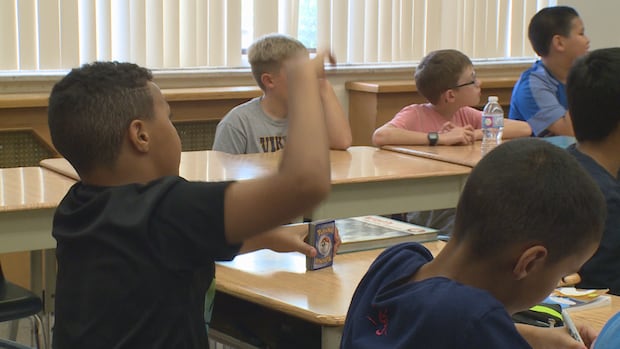
Talking with parents in these communities over recent months, I’ve heard consistent themes. Overcrowding tops everyone’s list of concerns. Class sizes have ballooned in many Edmonton schools. Teachers struggle to provide individual attention when managing thirty-plus students.
Transportation issues run a close second. Some elementary students currently spend over an hour on buses daily. That’s exhausting for young children and stressful for working parents juggling drop-off logistics.
Community connection matters too. Schools serve as neighborhood anchors. They host events, provide gathering spaces, and help families build social networks. Without nearby schools, communities feel incomplete.
The economic implications extend beyond education. New schools create construction jobs during building phases. Once operational, they employ teachers, administrators, custodians, and support staff. Local businesses near schools often see increased foot traffic from parents dropping off or picking up children.
Property values typically rise near quality schools. Families prioritize educational access when choosing homes. These nine schools will likely boost surrounding real estate markets significantly.
Edmonton Public Schools and Edmonton Catholic Schools will split responsibility for these new facilities. The division of schools between boards wasn’t detailed in initial announcements. That information typically emerges during planning phases based on demographic analysis and community needs.
Both school boards have faced capacity challenges for years. I’ve attended numerous board meetings where trustees discussed overcrowding. These new schools provide much-needed relief but won’t solve every capacity issue overnight.
Some established neighborhoods still struggle with aging infrastructure and insufficient space. The focus on new communities makes sense given growth patterns, but it highlights ongoing disparities between newer and older Edmonton areas.
Provincial funding for education remains a contentious political topic. Some advocates argue Alberta should invest more heavily in education infrastructure. Others applaud this announcement as evidence of commitment to growing communities.
I try avoiding political editorializing in my reporting, but numbers tell their own story. Edmonton’s population grew by over 50,000 people between 2016 and 2021. School infrastructure must keep pace with that growth.
Looking ahead, these nine schools represent one chapter in Edmonton’s ongoing education story. Our city continues growing. More neighborhoods will emerge beyond current boundaries. Future school announcements will inevitably follow.
For now, thousands of Edmonton families have reason to celebrate. Their advocacy worked. Their neighborhoods will finally have the schools their children deserve. Construction might take time, but at least the wheels are turning.
I’ll keep following these projects as they develop. Stories about groundbreaking ceremonies, design unveilings, and eventual grand openings will document how these communities transform. Schools change neighborhoods in profound ways that ripple through generations.
Edmonton’s growth sometimes feels overwhelming. Traffic increases, services stretch thin, and infrastructure lags behind population. But announcements like this remind me why I love covering this city. We identify problems, advocate for solutions, and eventually see real progress.
Those 9,000 new student spaces represent hope. They represent investment in our collective future. Most importantly, they represent children who’ll learn, grow, and thrive in classrooms close to home.