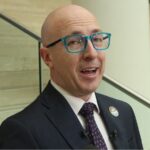
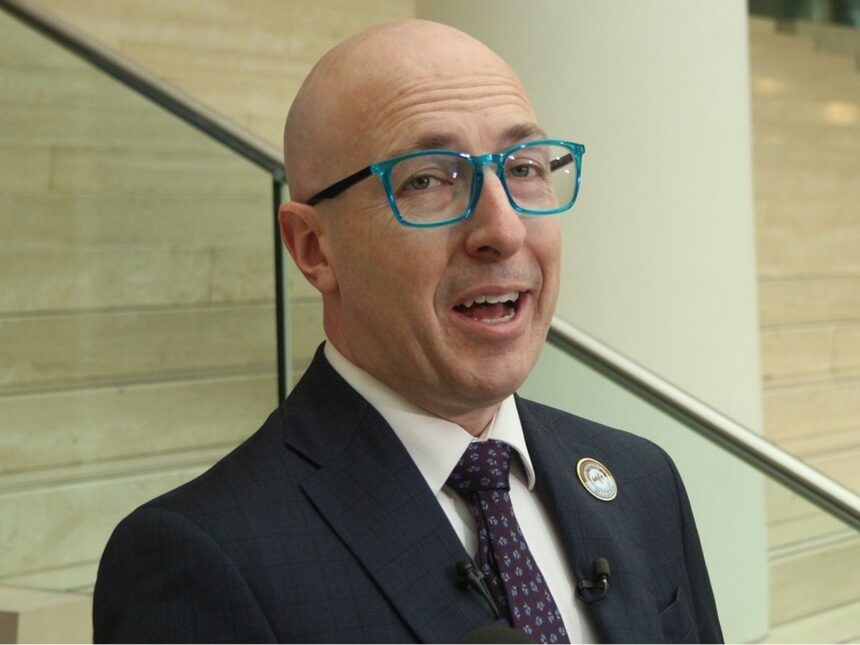

Mayor Andrew Knack is hitting the road with a clear mission. He’s leading a small but focused delegation to China and Japan for eleven days. The goal is straightforward: showcase what Edmonton does best and attract serious investment back home.
This isn’t a large entourage. Knack will travel with just one office staffer, city manager Eddie Robar, someone from Edmonton International Airport, and a representative from Edmonton Global. The regional economic development organization is footing the bill, which runs between six and eight thousand dollars per person. They depart this Saturday and return April 15.
I’ve covered municipal politics long enough to know these trips generate debate. Taxpayers always want to know the value. But this mission has a measurable target that caught my attention during my conversation with city officials this week.
Edmonton Global CEO Daryn Edgar put actual numbers on the table. He estimates the trip could generate up to two billion dollars in capital investment. That’s not pocket change for a city working hard to diversify its economy. The projection includes creating three hundred to four hundred permanent jobs, plus supporting over a thousand additional positions across construction and related sectors.
Knack explained why his presence matters beyond just symbolic support. Foreign businesses considering Edmonton want direct answers about permitting processes and operational timelines. They need to understand how quickly they can get up and running. Having both political leadership and senior administration on site provides that reassurance in real time.
The mayor emphasized something I hear repeatedly from local business owners. Edmonton desperately needs to expand its non-residential tax base. Right now, homeowners carry too much of the burden. Attracting foreign investment in manufacturing and clean energy could shift that balance and provide property tax relief.
Sherri Bouslama serves as strategic communications and brand director for Edmonton Global. She told me having the mayor physically present significantly boosts the delegation’s credibility. International investors want to see commitment from the highest levels of civic leadership. These missions focus on long-term economic outcomes rather than quick wins.
The itinerary is packed with strategic stops. The delegation starts in Beijing, meeting leaders in the agri-food business sector. Then they head to Tianjin to tour a clean energy facility and an advanced manufacturing plant. They’ll also connect with cargo and logistics organizations, which makes sense given Edmonton’s position as a transportation hub.
Wuhan comes next, where the group will meet with the China Carbon Emission Exchange. That particular stop aligns perfectly with Edmonton’s growing hydrogen economy. From there, they fly to Tokyo for more advanced manufacturing facility tours and meetings with Japanese government officials before heading home.
The term “advanced manufacturing” covers significant ground. We’re talking energy equipment, steel, petrochemicals, medical devices, electronics, and semiconductors. Edmonton ranks third nationally in total manufacturing sales and first per capita. That surprised me when I first learned it while researching our local industrial landscape last year.
The numbers back up that ranking. Edmonton generated forty-six billion dollars in manufacturing capital last year. Even more impressive, approximately fifty-five percent of all manufacturing activity in Alberta happens right here within city limits. That concentration creates genuine leverage when courting international investment.
Our hydrogen sector particularly stands out. I’ve written about several hydrogen projects over the past two years, watching this industry take shape. More than thirty billion dollars in new hydrogen startups are planned to begin operations by 2030. That positions Edmonton as a natural leader in clean energy transition.
Walking through industrial areas east of the city recently, I noticed the construction boom firsthand. Cranes dot the skyline near the industrial heartland. New facilities are rising from former farmland. This physical transformation makes Edmonton’s pitch to international investors more tangible and believable.
The timing of this mission feels deliberate. Global supply chains are reshaping after pandemic disruptions. Countries and companies are diversifying their manufacturing bases. Edmonton offers political stability, educated workers, affordable land, and energy infrastructure that many Asian manufacturers find attractive.
Our workforce deserves mention here. Edmonton has a young population compared to many Canadian cities. More importantly, educational attainment runs high. Post-secondary institutions pump out graduates in engineering, trades, and technology fields. That combination of youth and education appeals to companies planning long-term operations.
The delegation will promote the city’s industrial growth hub and client liaison unit. These aren’t just bureaucratic offices. They represent Edmonton’s commitment to streamlining processes for new businesses. Companies hate red tape. Showing them a dedicated support system removes a significant barrier to investment.
Research infrastructure also features in Edmonton’s pitch. The University of Alberta conducts world-class research in areas directly applicable to manufacturing and energy. Those connections between academia and industry create innovation opportunities that benefit everyone involved.
I’ve spoken with several local manufacturers who started small and scaled up dramatically. They consistently mention Edmonton’s collaborative business environment. Government, universities, and private companies actually talk to each other here. That ecosystem approach works better than isolated efforts.
Construction employment remains robust across the region. That matters for companies considering major capital projects. They need confidence that skilled tradespeople will be available when needed. Edmonton delivers on that front consistently.
Critics will question whether eleven days away from City Hall makes sense. But economic development requires relationship building. You can’t forge those connections through video calls alone. Face-to-face meetings in someone else’s country show respect and serious intent.
The return on investment from trade missions often takes years to materialize. A handshake in Tokyo this month might result in a factory announcement in 2027. That delayed gratification makes these trips hard to evaluate immediately. But patient relationship building often yields the biggest returns.
Edmonton Global covering costs rather than city taxpayers addresses one common criticism. The regional organization exists specifically for economic development. This trip falls squarely within their mandate and budget.
I’ll be watching closely when the delegation returns. The real story will unfold in follow-up meetings, site visits, and eventual announcements. Those concrete outcomes matter more than any ribbon-cutting photo opportunity.