
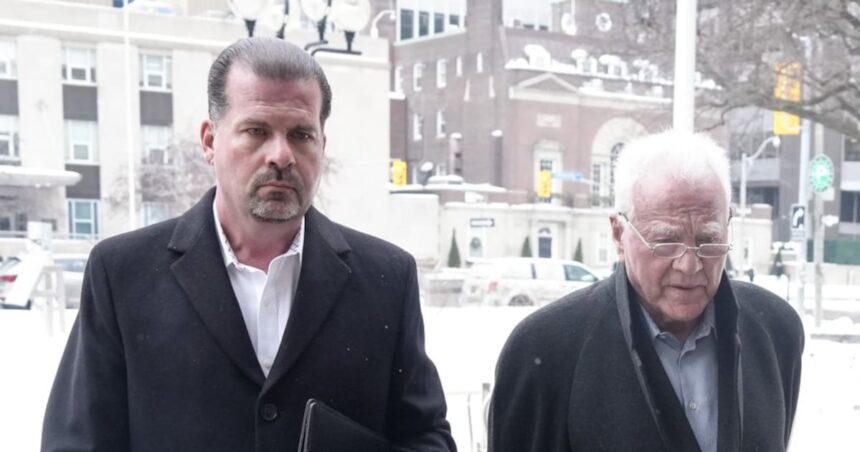

The courtroom atmosphere shifted palpably this week as Frank Stronach’s legal team prepared to present its defence against sexual assault allegations that have gripped Toronto’s attention. The 92-year-old billionaire automotive magnate, once celebrated as a titan of Canadian industry, now sits at the centre of a criminal trial that has exposed uncomfortable truths about power dynamics in corporate Canada.
Stronach faces multiple charges including sexual assault and forcible confinement, with allegations spanning several decades. The prosecution has already presented its case, featuring testimony from complainants who described disturbing encounters with the businessman. Now, his defence lawyers are stepping forward to challenge these narratives and present their client’s version of events.
I’ve covered countless business stories over the years, but this trial feels different. It touches something raw in our city’s relationship with wealth and influence. Toronto has long celebrated its entrepreneurial success stories, and Stronach represented that pinnacle of achievement. Watching that legacy unravel in a downtown courtroom serves as a stark reminder that no reputation stands beyond accountability.
The allegations against Stronach are serious and specific. According to court documents and media reports including coverage from CTV News, the charges involve incidents that allegedly occurred between the 1980s and as recently as 2023. Multiple women have come forward with accusations, each describing similar patterns of behaviour involving unwanted sexual contact.
One complainant testified about an alleged assault in the 1980s when she worked at Magna International, the global automotive parts company Stronach founded. Another woman described an incident that allegedly took place at Stronach’s Ontario home. The details are difficult to digest, particularly given the power imbalance these women describe experiencing.
Stronach’s defence team has maintained his innocence throughout these proceedings. His lawyers argue the sexual encounters were consensual, and they’ve signalled their intention to challenge the credibility and memory of the complainants. This legal strategy isn’t unusual in sexual assault cases, but it places enormous pressure on the women who have chosen to speak publicly about deeply personal trauma.
The broader implications of this trial extend far beyond one man’s legal troubles. Toronto’s business community has watched uncomfortably as questions about workplace culture and accountability surface repeatedly. Magna International, which Stronach built into a global powerhouse with operations across North America, has distanced itself from its founder since the charges emerged.
I spoke with several business leaders off the record who expressed conflicting emotions about the case. They acknowledge Stronach’s undeniable contributions to Ontario’s economy while grappling with the severity of the allegations. One executive told me it’s forced difficult conversations within their own organization about historical workplace practices that might not meet today’s standards.
The cultural moment matters here. Toronto has witnessed a gradual reckoning with how power operates in professional settings, particularly regarding gender dynamics. The trial arrives years after the global #MeToo movement prompted many women to share experiences they’d previously kept silent. That broader context shapes how many observers interpret these allegations and the defence’s response.
Legal experts emphasize that sexual assault cases often hinge on credibility assessments. Without physical evidence or witnesses to private encounters, juries must weigh competing narratives and decide whose version of events seems more reliable. This reality places enormous weight on how complainants and defendants present themselves in court.
Stronach’s advanced age adds another complex dimension to these proceedings. At 92, he represents a generation shaped by vastly different social norms around workplace behaviour and male-female interactions. His defence may subtly invoke these generational differences, though no such argument excuses criminal conduct. The law applies equally regardless of when someone formed their worldview.
The trial itself has proceeded with careful attention to protecting complainants’ identities. Publication bans prevent media outlets from revealing details that might identify the women involved. These legal protections recognize the vulnerability many sexual assault complainants face when participating in criminal proceedings.
Toronto’s legal community has watched the case closely, noting the high-profile defence team assembled on Stronach’s behalf. The resources available to wealthy defendants can significantly impact trial outcomes, raising uncomfortable questions about whether justice truly operates equally for all. A complainant without financial means faces very different circumstances when navigating the legal system.
I find myself thinking about the courage required to testify in cases like this. Coming forward means subjecting yourself to intense scrutiny, having your past examined, your memory questioned, and your motivations challenged. The women who testified did so knowing they’d face aggressive cross-examination designed to undermine their credibility.
The defence’s case will likely focus on consent, timeline inconsistencies, and potential motivations for false accusations. Defence lawyers in sexual assault trials often scrutinize why complainants maintained contact with accused individuals after alleged assaults or why they delayed reporting. These questions sometimes reflect fundamental misunderstandings about trauma responses and power dynamics.
Research consistently shows that sexual assault survivors often maintain complex relationships with their assailants, particularly when professional or financial dependencies exist. Delayed disclosure is common rather than exceptional. Yet defence lawyers understand that jurors sometimes harbour misconceptions about how “real victims” should behave, and they may exploit these misunderstandings.
The economic impact of Stronach’s fall from grace extends throughout Ontario’s manufacturing sector. Magna International employs thousands of workers across multiple facilities, and the company’s reputation has inevitably suffered by association with these allegations. Corporate leaders now face questions about what they knew and when, and whether organizational culture enabled problematic behaviour.
Toronto prides itself on being a progressive city with strong protections for workers and clear standards around workplace conduct. Yet this trial reveals gaps between our aspirations and lived experiences. If allegations spanning decades can emerge only after someone leaves formal corporate power, what does that say about our accountability mechanisms?
As this trial continues, Toronto watches and waits. The outcome will resonate far beyond the courtroom, influencing how we think about legacy, accountability, and justice. Whatever verdict eventually emerges, the conversations this case has prompted about power and consent aren’t going away anytime soon.