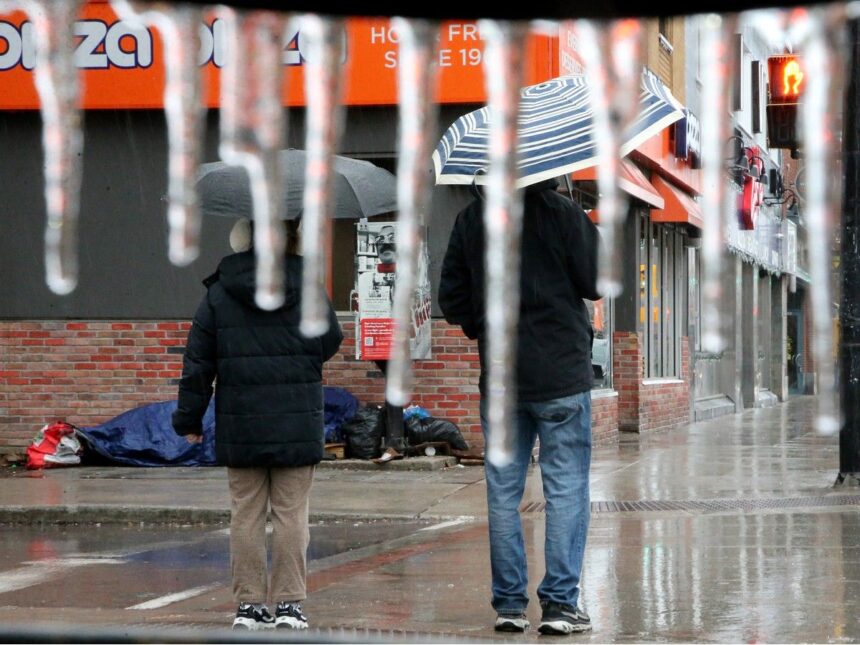

Environment Canada lifted the freezing drizzle warning for Ottawa early Sunday morning. Light snow replaced the icy conditions that had residents concerned. The shift brings some relief to the capital.
I’ve seen March weather play tricks on Ottawa before. This weekend proved no different. Sunday morning started with uncertainty hanging in the air like the grey clouds overhead.
The federal weather agency confirmed light snow would continue throughout Sunday, March 22nd. Temperatures hovered right at the freezing mark. The high reached 0 degrees Celsius by afternoon.
Eastern winds picked up significantly during the day. Gusts reached 40 kilometers per hour at times. That wind made things feel much colder than the thermometer suggested.
The wind chill dropped temperatures to minus 8 degrees. Anyone venturing outside needed proper winter gear. Spring jackets just wouldn’t cut it this weekend.
Environment Canada issued specific warnings about walking conditions. Ice remained a serious concern despite the drizzle ending. Surfaces looked deceptively safe in many areas.
Black ice forms when temperatures dance around the freezing point. It’s nearly invisible on sidewalks and roadways. I’ve watched too many people slip unexpectedly over the years.
The agency emphasized caution for pedestrians throughout the capital. Detecting icy patches proves difficult even for experienced locals. Taking smaller steps helps maintain balance on questionable surfaces.
Sunday night brought continued cloud cover across the region. Temperatures dropped to minus 6 degrees Celsius overnight. The wind chill made it feel like minus 13.
That’s the kind of cold that reminds you winter hasn’t quite finished. The capital region experiences these temperature swings regularly in late March. It keeps everyone on their toes.
Monday’s forecast offered better news for weather-weary residents. Skies were expected to clear around noon. The high would climb to 2 degrees Celsius.
Those couple of degrees make a real difference. Streets dry faster when temperatures rise above freezing. Melting snow creates its own hazards though.
Monday night would see another significant temperature drop. Forecasters predicted minus 10 degrees Celsius after sunset. That’s a twelve-degree swing in less than twelve hours.
Ottawa’s weather patterns reflect our unique geographic position. We sit where different air masses frequently collide. Cold Arctic air meets warmer southern systems right over our heads.
The Ottawa River valley creates its own microclimate effects. Temperatures can vary significantly between neighborhoods. Downtown often runs a degree or two warmer than rural areas.
March ranks among the most unpredictable months locally. I’ve covered snowstorms and heat waves both happening in this month. This year’s freezing drizzle fit the pattern perfectly.
City crews remained on standby throughout the weekend. Salt trucks were ready to deploy if conditions worsened. The public works department takes no chances with freezing precipitation.
Ottawa hospitals see increased injuries during these transition periods. Emergency rooms prepare for slip-and-fall cases when ice develops. Prevention through caution makes more sense than treatment after injury.
Local businesses also monitor weather conditions closely. Retail stores see fewer customers when walking becomes hazardous. Restaurants notice cancellations when weather turns unpredictable.
The forecast’s accuracy has improved dramatically over recent decades. Meteorologists now use sophisticated computer modeling systems. Satellite data provides real-time atmospheric observations.
Environment Canada updates predictions every few hours. Their website remains the most reliable source for local conditions. The agency employs dedicated meteorologists monitoring our region constantly.
Residents should check forecasts before making weekend plans. Conditions change rapidly during transitional weather periods. What looks fine at breakfast might deteriorate by lunch.
Proper footwear makes navigating icy conditions much safer. Boots with good tread provide essential traction. Those fashionable smooth-soled shoes become skating implements on ice.
I’ve learned to keep emergency supplies in my car year-round. A blanket, flashlight, and snacks have proven useful multiple times. March weather demands that kind of preparedness.
The city’s pathway network requires extra attention during freeze-thaw cycles. Recreational pathways along the canal and river become particularly treacherous. Many regular users wisely stayed home this weekend.
Cyclists face especially challenging conditions when ice forms. Even experienced riders struggle with invisible slick spots. Most bike commuters switched to public transit until conditions improved.
Weather affects everyone differently across our diverse community. Seniors face higher risks from falls on ice. Parents worry about children playing outside in unpredictable conditions.
The capital’s homeless population endures particular hardship during these swings. Overnight temperatures dropping to minus 13 with wind chill prove dangerous. Local shelters opened additional spaces to accommodate increased need.
Community organizations mobilized warming centers across Ottawa. Volunteers ensured vulnerable residents knew where to find shelter. These quiet acts of kindness define our city’s character.
Looking ahead, seasonal normals suggest gradual warming through April. Permanent spring typically arrives by mid-month here. Until then, residents need patience with Mother Nature’s mood swings.
Ottawa’s weather teaches resilience if nothing else. We adapt our plans and expectations constantly. Flexibility becomes second nature after years living here.
The weekend’s conditions reminded everyone why we can’t rush spring. Nature operates on its own timeline regardless of our preferences. March delivers that message reliably every year.
Staying informed about changing conditions remains the best defense. Regular forecast checks help people plan appropriately. Being caught unprepared in Ottawa weather creates unnecessary risks.