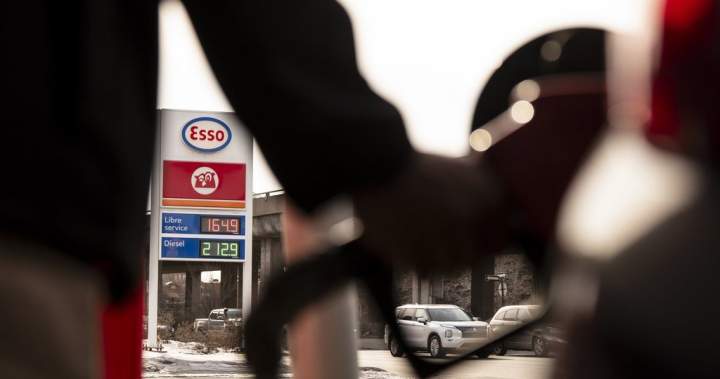

I’ve been watching Toronto drivers wince at gas station price boards for weeks now. The numbers keep climbing, and frankly, there’s no good news on the horizon. As someone who covers business developments across this city daily, I can tell you the energy crunch is hitting everyone hard.
The Easter long weekend is almost here. Families across Toronto are planning trips to visit relatives. Students are heading home from universities. But this year, those road trips come with a painful price tag. Gas prices have jumped dramatically since late February, and experts say relief isn’t coming anytime soon.
Patrick De Haan works as a petroleum analyst at GasBuddy. He’s been tracking fuel costs for years. According to his analysis, oil prices jumped roughly 10 percent in a single day this week. That surge will push gas prices even higher as the holiday weekend approaches.
The national average currently sits at around 180.8 cents per litre. That’s nearly nine cents higher than just one week ago. Toronto drivers are feeling this squeeze every time they fill their tanks. I spoke with a small business owner in Leslieville yesterday who runs a delivery service. She told me fuel costs are now her second-largest expense after labour.
Diesel prices present an even bigger concern. De Haan predicts diesel could surpass 225 cents per litre within the next 48 hours. That would set a new record. Diesel powers trucks that deliver groceries to our stores. It runs construction equipment building Toronto’s condos. It fuels transit buses moving people across the GTA.
The ripple effects touch everything. Jet fuel prices have nearly doubled according to industry data. That means higher airfares for anyone trying to fly instead of drive. There’s really no escape from this energy crisis. Whether you’re driving to Muskoka or flying to Vancouver, you’re paying more.
I’ve covered economic stories in Toronto for over a decade. This situation feels different from past oil shocks. The cause isn’t just supply and demand. The war in Iran that started February 28 has fundamentally disrupted global energy markets. Iran controls shipping through the Strait of Hormuz, a crucial waterway for oil transport. That strait is now effectively blocked.
Statistics Canada hasn’t released March pricing data yet. Those numbers won’t be available until April 20. But the Canadian Automobile Association provides current tracking. Their data shows the national average for regular gas at 178.5 cents per litre right now. The lowest price in the past month occurred on March 3, when it hit 134.2 cents per litre.
That’s a massive jump in just weeks. Toronto saw average prices around 132.2 cents per litre back in February. Now we’re paying roughly 46 cents more per litre. For a typical sedan with a 50-litre tank, that’s an extra 23 dollars every fill-up. For families running multiple vehicles, the costs add up fast.
I walked through a Scarborough neighbourhood last week talking to residents. A retired teacher told me she’s cancelled her usual spring trip to Ottawa. A young couple said they’re reconsidering their wedding plans because travel costs for guests have skyrocketed. These aren’t abstract statistics. They’re real decisions affecting real Toronto families.
The pricing varies significantly across Canada based on regional factors. Alberta benefits from proximity to oil production and lower provincial taxes. Edmonton saw February averages around 118.5 cents per litre. Calgary paid about 122.1 cents. Vancouver, by contrast, faced 171.3 cents even before the current crisis.
De Haan explains that coastal regions suffer more during global disruptions. Oil and refined products can easily be shipped away from Canadian coastal markets to higher bidders elsewhere. Toronto and other Ontario cities compete in this global marketplace. We don’t enjoy the same protection as inland prairie cities.
Newfoundland, Nova Scotia, Quebec and British Columbia are experiencing the harshest increases right now. Maritime provinces depend heavily on imported refined fuel. They have fewer alternatives when global supplies tighten. The same dynamics affect Metro Vancouver, where prices were already high due to carbon taxes and limited refining capacity.
Saskatchewan and Manitoba see more moderate increases. Regina averaged 127.3 cents in February. Saskatoon paid 123.3 cents. Those cities benefit from proximity to western Canadian oil production. The fuel simply can’t be exported as easily from landlocked locations. Geography provides some insulation from global price volatility.
The political response has been predictable. Federal Conservatives are calling for gas tax cuts. They argue families need relief from soaring energy costs. The Liberal government faces pressure to respond, but cutting fuel taxes reduces revenue needed for infrastructure and climate programs. I’ve covered enough budget cycles to know these debates get complicated fast.
President Trump addressed the nation recently but offered no concrete solutions. He had previously set a deadline for Iran to reopen the Strait of Hormuz. He threatened attacks on Iranian energy infrastructure if the deadline passed. But his recent speech didn’t mention any plan to resolve the standoff. Markets reacted poorly to that omission.
De Haan points out that oil prices surged Thursday precisely because no resolution appears forthcoming. The Strait remains effectively blocked by risk of Iranian attack. Ships won’t sail through a war zone. Until someone figures out a diplomatic or military solution, the supply disruption continues. Every day without progress makes the problem worse for the global economy.
Canada has insisted on staying out of this conflict. Our government doesn’t want Canadian forces involved in another Middle Eastern war. I understand that reluctance from a policy perspective. But economic isolation isn’t possible in energy markets. Toronto pays global prices regardless of our political stance.
Diesel supply concerns me most as a business reporter. Diesel powers the trucks delivering inventory to Toronto retailers. It runs equipment on construction sites transforming our skyline. It fuels the machinery harvesting crops in rural Ontario. When diesel prices spike, inflation follows across virtually every sector. Food costs more. Building materials cost more. Everything gets more expensive.
I visited a trucking company in Etobicoke last week. The owner showed me spreadsheets tracking fuel expenses. His costs have increased 40 percent since February. He’s been forced to add fuel surcharges for customers. Those surcharges get passed down the supply chain until they reach consumers buying groceries at Toronto supermarkets.
The global economy runs on oil despite all our talk about green transitions. Electric vehicles make up only a small fraction of cars on Toronto roads. Commercial trucks, ships and planes have few alternatives to fossil fuels. That dependency creates vulnerability when geopolitical events disrupt supply. We’re living through that vulnerability right now.
De Haan warns the situation will grow more problematic every day until addressed. I believe him based on market fundamentals. Global oil demand hasn’t decreased. Supply has been severely constrained. Basic economics says prices will keep rising until supply and demand rebalance. That requires either reopening the Strait or finding alternative supply sources. Neither seems likely in the immediate future.
Toronto families planning Easter weekend trips face tough choices. Drive and pay premium prices for gas. Fly and pay double for airfare. Stay home and skip seeing relatives. None of those options feel good. I’ll probably drive to see my parents in Kingston despite the cost. Sometimes family matters more than money. But I definitely won’t enjoy watching the gas pump numbers spin.
The energy crunch reveals how connected our local economy is to global events. Decisions made in Washington and Tehran directly impact what we pay at Toronto gas stations. That interconnection creates both opportunity and risk. Right now we’re experiencing the risk side. Until the geopolitical situation stabilizes, Toronto drivers should expect continued pain at the pumps. That’s not the Easter message anyone wanted to hear.