
Walking through Bathurst Street last week, I noticed something different in the air. Conversations at coffee shops carried an edge of concern. Community members were looking over their shoulders more than usual. This unease has prompted a significant response from law enforcement across the Greater Toronto Area.
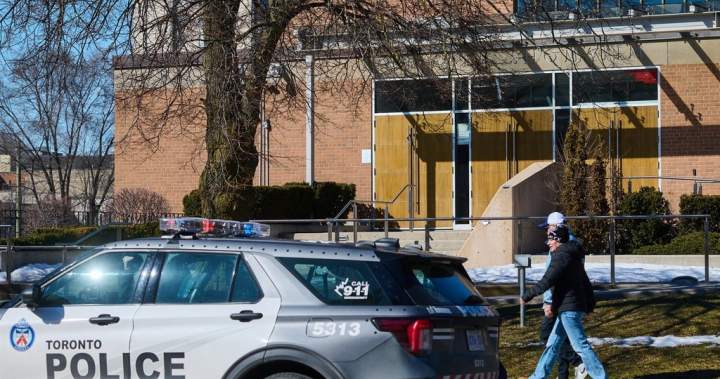
Police forces are ramping up their presence around Jewish gathering places as Passover begins Wednesday evening. The weeklong holiday, one of the most significant in the Jewish calendar, will see unprecedented security measures this year. For many Toronto families preparing for Seder dinners, safety has become as much a consideration as tradition.
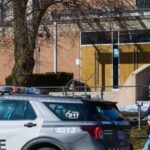
Toronto Police Service confirmed they’re deploying rotating command posts throughout the city. These mobile stations will appear at multiple synagogues and key locations. Baycrest Hospital will see increased officer presence. The Ledbury Jewish Centre is also on the list. Several intersections along Bathurst Street north of the city centre will have dedicated police visibility.
The decision reflects a troubling reality facing Ontario’s Jewish communities. Premier Doug Ford recently acknowledged that many Jewish residents feel increasingly unsafe in their own neighbourhoods. It’s a statement that resonates deeply with what I’ve observed while covering local stories over recent months.
York Regional Police are taking similar measures. They announced enhanced patrols during the eight-day observance period. Two Jewish community centres will host command posts. A Thornhill mall frequented by Jewish shoppers will also see increased security. Officers will be stationed near places of worship and residential areas where Jewish families live.
These aren’t just symbolic gestures. The security enhancements come in direct response to recent violence targeting Toronto-area synagogues. Last month, three separate Jewish houses of worship were struck by gunfire. The incidents shocked residents across the GTA and drew immediate condemnation from political leaders at municipal, provincial, and federal levels.
Fortunately, no injuries were reported in those shootings. Building damage was the only physical consequence. But the psychological impact on community members has been profound. Parents questioned whether sending their children to Hebrew school was safe. Seniors wondered if attending morning services put them at risk.
The federal government responded swiftly to these concerns. Ottawa allocated ten million dollars specifically to help Jewish communities strengthen security at their gathering places. This funding represents recognition that protection shouldn’t be a financial burden for communities simply wanting to practice their faith safely.
I’ve covered numerous community events over my years reporting in Toronto. What strikes me most about this situation is how it’s transformed everyday activities into security considerations. Grocery shopping in predominantly Jewish neighbourhoods now requires police awareness. Residential streets where families have lived for generations need increased patrols. Community centres that once felt like safe havens now require command posts.
Passover traditionally celebrates freedom and liberation from oppression. The holiday begins at sundown Wednesday and continues until next Thursday. Families gather for Seder meals, retelling ancient stories of exodus and redemption. Children ask the four questions. Symbolic foods remind participants of historical struggles and ultimate triumph.
This year, those celebrations happen under the watchful eyes of law enforcement officers. It’s a stark juxtaposition that community leaders didn’t anticipate needing. Yet they’ve expressed gratitude for the police presence, acknowledging the unfortunate necessity of these measures.
Toronto Police emphasized that residents should expect to see officers in various locations beyond traditional worship spaces. Grocery stores catering to Jewish dietary needs will have increased patrols. Residential areas with significant Jewish populations will see more frequent police drives. The visibility aims to deter potential threats while providing reassurance to community members.
York Regional Police echoed this approach for their jurisdiction. Their patrols will cover neighbourhoods, gathering places, and commercial areas. The strategy recognizes that Jewish community life extends beyond synagogues into daily routines throughout the region.
Speaking with community members while covering related stories, I’ve heard mixed emotions. Relief that authorities are taking threats seriously combines with sadness that such measures are necessary. One longtime Thornhill resident told me she never imagined needing police protection to attend holiday services. Her words captured the disbelief many feel.
The shootings last month represented an escalation of concerns that Jewish communities have voiced for some time. Antisemitic incidents have been tracked by advocacy organizations showing concerning trends. While Toronto prides itself on diversity and multiculturalism, these incidents reveal persistent challenges in ensuring all residents feel secure.
Political leaders from all parties condemned the synagogue shootings immediately after they occurred. Mayor Olivia Chow visited affected communities. Federal ministers issued statements of support. These expressions of solidarity, while meaningful, couldn’t erase the reality of bullet holes in sacred buildings.
The ten million dollars in federal funding will help install security cameras, reinforced doors, and other protective infrastructure. Some synagogues are hiring private security guards. Others are conducting active shooter drills. These preparations reflect a sobering acceptance of potential dangers.
For police services, the enhanced patrols require significant resource allocation. Officers must balance Passover security needs with regular duties across their jurisdictions. The rotating command posts allow for flexible deployment while maintaining visible presence at key locations.
As Passover approaches, Jewish families across the GTA are making final preparations. Tables are being set with special dishes used only during this holiday. Homes are being cleaned according to traditional practices. Children are rehearsing songs and preparing questions for Seder discussions.
This year, those preparations include conversations about safety protocols. Families are discussing what to do if threats emerge during services. Synagogues are reviewing emergency exit procedures. Community centres are coordinating with police about response times.
The increased patrols will continue throughout the weeklong holiday period. Police have indicated they’ll maintain heightened vigilance even after Passover concludes. The goal extends beyond protecting one holiday to establishing sustained security for communities facing ongoing concerns.
Walking through these neighbourhoods now, I see resilience alongside worry. Jewish Torontonians are proceeding with their holiday observances despite legitimate security fears. They’re gathering with family, attending services, and maintaining traditions that stretch back thousands of years.
The police presence represents both reassurance and reminder. Reassurance that authorities recognize threats and are responding appropriately. Reminder that vigilance remains necessary in spaces that should feel inherently safe.