
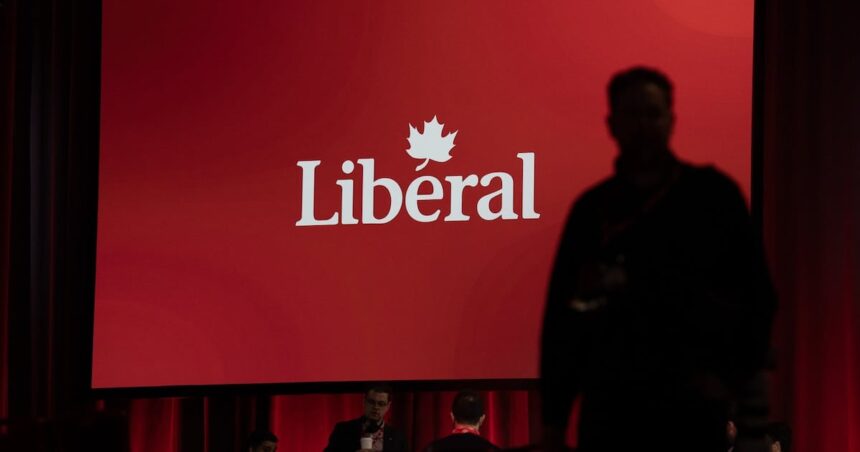

Walking through Old Montreal last week, I overheard two parents debating whether their teenager should have access to ChatGPT. Their conversation stuck with me because it mirrors a larger question now heading to the Liberal Party’s national convention right here in our city.
The Liberals will gather in Montreal from April 9 to 11. Party members from across Canada will debate whether young people should face age restrictions on social media and AI chatbots. It’s a timely conversation that touches every family trying to navigate technology’s grip on childhood.
I’ve covered countless political gatherings in this city over the years. This particular convention feels different because the issues cut so close to home. Twenty-four policy resolutions sit on the agenda. Each one reflects concerns bubbling up from communities nationwide.
The social media age restriction proposal stands out immediately. Parents everywhere wrestle with questions about screen time and online safety. Montreal families face the same struggles as those in Vancouver or Halifax. When should a child get their first Instagram account? Should teenagers chat with AI systems without supervision?
These aren’t abstract policy questions anymore. They’re dinner table conversations happening in Outremont apartments and Plateau duplexes. I’ve watched my own friends agonize over these decisions with their kids.
Beyond technology concerns, the convention agenda includes something unexpected. Two competing proposals suggest reforming Canada’s electoral system. This debate carries historical weight for the Liberal Party.
Former Prime Minister Justin Trudeau promised electoral reform during his 2015 campaign. That commitment helped him win government. He abandoned it quickly afterward, drawing criticism from supporters who believed in the cause. Now grassroots members want to revisit that broken promise.
The presence of two duelling proposals shows internal disagreement. Some members clearly haven’t forgotten or forgiven that 2015 reversal. They’re using this Montreal gathering to push the issue back into party conversation.
Another resolution on the table tackles constitutional powers. Party members will debate whether Ottawa should use disallowance against provincial governments. This tool would let federal authorities veto provincial use of the notwithstanding clause.
The notwithstanding clause lets provinces bypass certain Charter rights temporarily. Quebec has used it recently for language laws. Other provinces have deployed it for different purposes. Some Canadians find this troubling.
Disallowance represents an extremely rare constitutional power. The federal government hasn’t used it in eighty years. Invoking it would create massive political conflict between Ottawa and the provinces. Quebec would almost certainly view it as federal overreach.
Justice Minister Sean Fraser already shut down this idea publicly. He stated he has no intention of using disallowance to block provincial laws. His position suggests this resolution faces an uphill battle even if convention delegates support it.
Still, the proposal’s presence reveals something important. Liberal grassroots members feel frustrated watching provinces sidestep Charter protections. They want their party to fight back harder. Whether leadership listens remains another question entirely.
Convention resolutions aren’t binding on the Liberal government. Party members can debate and vote enthusiastically for policies. Cabinet ministers can then completely ignore those decisions. This creates ongoing tension between grassroots activists and political leadership.
I’ve witnessed this dynamic play out repeatedly at political conventions. Passionate party members spend hours crafting policy proposals. They debate nuances and vote with genuine conviction. Then elected officials file those decisions away without implementation.
It’s a frustrating reality of Canadian politics. Party conventions generate headlines and give members a voice. They rarely result in actual government policy changes. The gap between grassroots desires and political action stays wide.
Montreal makes a fitting location for these debates. Our city embodies Canada’s contradictions beautifully. We balance federal and provincial powers constantly. Language politics shape daily life here. Technology transforms our neighbourhoods while historic architecture remains.
The convention will bring hundreds of Liberals to our hotels and conference centers. They’ll debate Canada’s future while eating bagels and poutine. Some will venture into the Quartier des Spectacles or wander Rue Sainte-Catherine between sessions. Others will stay focused on backroom negotiations and policy workshops.
The social media age restriction debate deserves serious attention beyond partisan politics. Countries worldwide struggle with protecting children online while respecting family autonomy. Australia recently implemented age verification for social platforms. European nations debate similar measures. Canada hasn’t settled on an approach yet.
AI chatbots add another layer of complexity. These systems can provide helpful information or generate harmful content. Young people interact with artificial intelligence differently than previous generations encountered technology. Setting appropriate boundaries requires understanding capabilities parents never needed before.
I remember when the biggest technology concern was limiting television hours. Now children carry powerful computers everywhere. They access global information networks and communicate with AI systems. The pace of change outstrips most parents’ ability to keep up.
Political conventions rarely solve complex problems immediately. They do create space for important conversations. Liberal members gathering in Montreal will voice concerns shared across Canadian communities. Whether those concerns translate into actual policy remains uncertain.
The electoral reform proposals particularly interest me as someone who’s covered politics here for years. Trudeau’s broken promise on that issue damaged trust with many supporters. Bringing it back signals grassroots members haven’t moved on. They still want democratic reform.
Party leadership faces choices about how seriously to take convention resolutions. Ignoring grassroots voices repeatedly risks alienating the volunteers who knock on doors during campaigns. Taking every resolution seriously would paralyze government with conflicting priorities.
Montreal will host these debates in just two weeks. Delegates will arrive with strong opinions and policy proposals. They’ll leave with voted resolutions and renewed party connections. What happens next depends entirely on whether political leadership chooses to listen.
The Canadian Press reported these convention details on March 24. Their coverage highlighted the range of topics delegates will address. From technology regulations to constitutional powers, the agenda spans Canada’s biggest current debates.
I’ll be watching how these conversations unfold in our city. Montreal often serves as a crossroads for Canadian political discussions. This convention continues that tradition while addressing very modern concerns about technology and governance.