
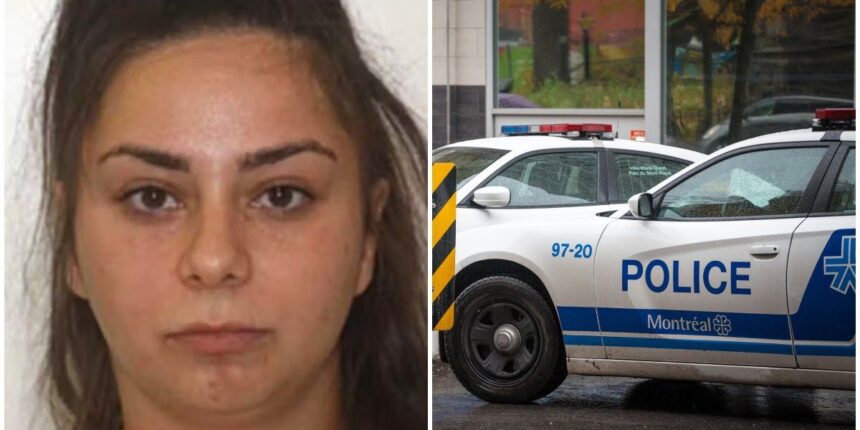

Walking through Montreal’s neighborhoods lately, I’ve noticed an unsettling tension that seems to hang in the air. People glance over their shoulders a bit more often. Conversations at my favorite Plateau café touch on safety concerns more frequently than they used to. The reality is that our city faces a serious situation that demands our attention and vigilance.
Two Montreal men now appear on Canada’s most wanted list for murder. Their cases represent the kind of violence that shakes our community to its core. As someone who has covered this city’s stories for years, I can tell you that this development carries significant weight for all of us living here.
Daniel Bergeron stands accused of first-degree murder in a case that has gripped Montreal since November 2023. The 48-year-old allegedly killed Antonio Deluca in what investigators describe as a calculated act of violence. The details surrounding Deluca’s death paint a disturbing picture of premeditated harm. Bergeron remains at large despite extensive efforts by law enforcement to locate him.
The Bolo Program, a national initiative tracking Canada’s most dangerous fugitives, added Bergeron to its priority list. This program coordinates efforts across multiple police agencies to capture individuals who pose serious threats to public safety. When someone lands on this list, it signals that authorities consider them particularly dangerous or elusive.
Montreal police have worked tirelessly on this investigation. They’ve followed numerous leads throughout the city’s diverse neighborhoods. I’ve spoken with residents in various districts who confirm that officers have been actively canvassing areas. The search has extended beyond our city limits as investigators believe Bergeron may have fled Quebec entirely.
Francesco Pinzarrone represents the second Montreal connection to this troubling list. The 48-year-old faces murder charges that similarly shock the conscience. His alleged crime occurred within our city limits, adding another layer of concern for residents who already feel uneasy about rising violence.
What strikes me most about these cases is how they reflect broader patterns we’re seeing across Montreal. Our city has experienced an uptick in serious violent crimes over recent years. The statistics tell a story that many of us feel in our daily lives. We lock our doors more carefully. We think twice about certain areas after dark.
Police describe both men as potentially armed and extremely dangerous. This warning carries serious implications for anyone who might encounter them. Authorities urge residents not to approach either suspect under any circumstances. Instead, they emphasize the importance of immediately contacting law enforcement with any information.
The Bolo Program’s involvement brings additional resources to these investigations. Federal agencies coordinate with local police to track movements across provincial borders. This collaboration increases the likelihood of apprehending fugitives who might otherwise disappear into Canada’s vast geography. Technology plays a crucial role in these efforts, with databases sharing information instantaneously across jurisdictions.
I remember covering Montreal crime stories two decades ago when our city felt markedly different. Violence existed, certainly, but not with the same frequency or brazenness we witness today. Something has shifted in our urban fabric. Economic pressures, social disconnection, and other factors have created conditions where serious crimes occur more regularly.
The victims in these cases deserve our remembrance. Antonio Deluca was someone’s son, possibly someone’s father or brother. His life mattered beyond the headlines that now chronicle his death. The other victim connected to Pinzarrone’s case similarly left behind grieving loved ones. These aren’t just statistics or case numbers. They represent real people whose absences create permanent voids in families and communities.
Montreal’s diverse neighborhoods react differently to news of fugitive murderers in their midst. In Hochelaga-Maisonneuve, where economic challenges already weigh heavily, residents express frustration with what they perceive as inadequate police presence. Meanwhile, in Westmount or Outremont, the response often includes demands for increased patrols and security measures.
The bilingual nature of our city adds complexity to these investigations. Information must flow seamlessly between francophone and anglophone communities. Tips might come in either language, requiring officers comfortable working across linguistic boundaries. Montreal police have generally handled this well, though communication gaps occasionally emerge during high-pressure situations.
Community safety depends on collective vigilance without descending into paranoia. We must remain alert while continuing to live our lives fully. I still walk my dog through Parc La Fontaine each morning. I still meet friends at Saint-Laurent Boulevard’s bustling restaurants. But I’m more aware now. I notice things I might have previously overlooked.
Social media has transformed how information about fugitives spreads through our city. Photos of Bergeron and Pinzarrone circulate on Montreal-focused Facebook groups and Instagram accounts. This digital distribution increases the chances someone will recognize them. However, it also risks misinformation and false sightings that drain investigative resources.
The legal process surrounding these cases will unfold over months or years once arrests occur. First-degree murder charges require prosecutors to prove premeditation and intent. Defense attorneys will challenge evidence and witness testimony. Our justice system moves deliberately, sometimes frustratingly slowly for those seeking closure.
Montreal police encourage anyone with information to contact them directly through established channels. Anonymous tip lines protect those who fear retaliation but possess crucial knowledge. Even seemingly insignificant details might provide the breakthrough investigators need. A reported sighting, an unusual conversation overheard, or recognition of the suspects could change everything.
As I write this from my Mile End apartment, I hear sirens in the distance. They’ve become such a familiar soundtrack to Montreal life. Each one represents someone’s crisis, someone’s worst day. These two murder cases remind us that serious dangers sometimes hide in plain sight. Our beautiful, complex city faces challenges that demand both individual awareness and collective action.
The search continues for Daniel Bergeron and Francesco Pinzarrone. Until their apprehension, Montreal residents must remain vigilant while trusting that our law enforcement agencies are doing everything possible to bring them to justice.