
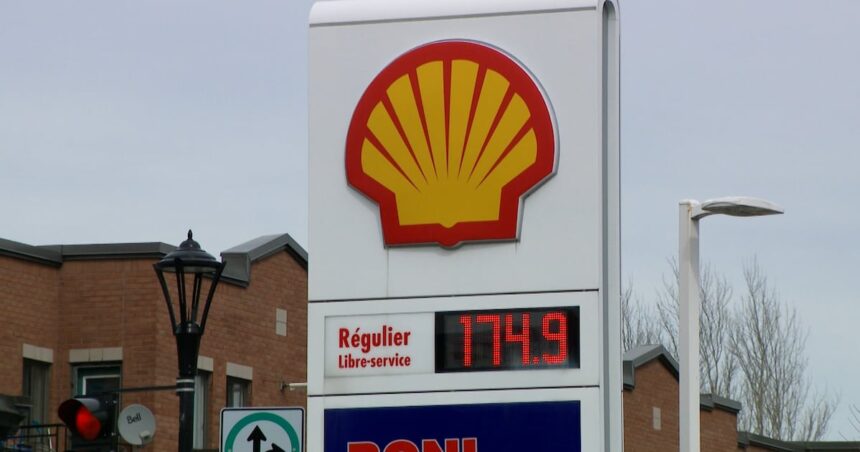

Montreal drivers are feeling the pinch at the pump these days. Gas prices have climbed steadily over recent weeks. Many residents now worry about what comes next for their household budgets.
I’ve noticed the change myself during my morning commute along Rue Saint-Denis. The digital numbers at gas stations seem to climb higher each week. What once felt like a temporary spike now looks more permanent.
The current situation extends beyond simple inconvenience. Economic experts across the city warn that rising fuel costs rarely stay contained. Transportation expenses ripple through supply chains. Food prices typically follow soon after.
Pierre Lavoie, an economics professor at Université de Montréal, explains the connection clearly. “Every product in our grocery stores travels by truck,” he notes. “When fuel costs rise, those expenses get passed along to consumers.”
Montreal families already face significant financial pressure. Statistics Canada reports that food inflation hit Quebec households particularly hard last year. Grocery bills increased by nearly twelve percent compared to previous years.
The timing couldn’t be worse for many Montrealers. Winter heating bills remain elevated. Rent costs continue climbing across most neighborhoods. Now gas and potential food increases add another layer of financial stress.
Local grocery chains acknowledge the transportation cost challenge. Metro and IGA representatives confirm they monitor fuel prices closely. Both companies adjust their pricing models based on delivery expenses.
Sylvie Beaumont manages a Provigo location in Rosemont. She sees customer behavior changing weekly. “People compare prices much more carefully now,” she observes. “They’re switching to generic brands and buying fewer luxury items.”
The impact varies considerably across different Montreal communities. Residents in outer boroughs like Pierrefonds or Pointe-aux-Trembles face longer commutes. Their gas expenses consume larger portions of monthly budgets. Public transit remains more accessible in central neighborhoods like Plateau or Mile End.
Transportation costs affect small businesses even more dramatically. Local restaurants and cafés operate on notoriously thin profit margins. Ingredient delivery expenses cut directly into their earnings.
Marc Dubois owns three bistros across the city. He’s watched his supply costs increase monthly. “Our seafood comes from the Gaspésie region,” he explains. “The trucking fees have doubled since last year.”
Many restaurant owners resist raising menu prices. They fear losing customers to competitors. This creates an impossible situation where business owners absorb costs themselves.
The provincial government faces mounting pressure to respond. Consumer advocacy groups have called for temporary fuel tax reductions. Similar measures helped other Canadian provinces manage price spikes.
Finance Minister Eric Girard addressed the situation last week. He acknowledged Quebecers’ concerns about affordability. However, he stopped short of announcing specific relief measures.
Some Montrealers are adapting their daily routines creatively. Carpooling apps have seen increased downloads across the metropolitan area. Bixi bike memberships jumped fifteen percent this spring compared to last year.
Community organizations are stepping up to help vulnerable populations. Moisson Montréal reports higher demand at food banks citywide. The organization served twenty-three percent more families in recent months.
Catherine Rousseau coordinates a community kitchen in Hochelaga-Maisonneuve. She’s witnessed the pressure firsthand. “Families who never needed help before are coming to us now,” she says quietly.
The situation highlights Quebec’s particular vulnerability to fuel price fluctuations. The province imports most petroleum products from other regions. Geographic factors and limited refining capacity contribute to price volatility.
Energy analyst François Tremblay points to global market dynamics. “Montreal prices reflect international crude oil costs,” he explains. “But provincial taxes and distribution expenses add significant premiums here.”
Looking ahead, economists predict continued uncertainty. Global supply chain disruptions remain unresolved. Geopolitical tensions continue affecting energy markets worldwide.
I’ve started conversations with neighbors about these challenges. Everyone shares similar concerns about managing household expenses. The discussion transcends typical political or linguistic divides that sometimes characterize Montreal life.
Smart shopping strategies can help families navigate these difficult times. Buying seasonal produce reduces costs significantly. Planning meals around sale items stretches budgets further. Combining shopping trips minimizes fuel consumption.
Some positive developments offer modest hope. Public transit ridership has rebounded strongly post-pandemic. The STM reports numbers approaching pre-2020 levels. More commuters choosing metro or bus options reduces individual fuel expenses.
Local farmers markets provide another cost-saving option. Jean-Talon and Atwater markets connect consumers directly with regional producers. This eliminates middle-tier transportation markups.
Climate considerations add another dimension to the conversation. Many Montrealers recognize that transitioning away from fossil fuels requires systematic change. However, immediate financial pressures make philosophical discussions feel somewhat abstract.
The current situation demands both short-term relief and long-term planning. Families need immediate help managing rising costs. Simultaneously, Quebec must develop more resilient economic and energy systems.
Walking through my Villeray neighborhood yesterday, I overheard similar conversations at every corner. The dépanneur owner discussed delivery costs. Young parents compared grocery store prices. Elderly residents worried about fixed incomes stretched impossibly thin.
These aren’t abstract economic indicators. They represent real stress affecting hundreds of thousands of Montreal households. Every percentage point increase in food or fuel costs means difficult choices for vulnerable families.
City and provincial leaders must recognize the urgency of this moment. Modest policy interventions could provide meaningful relief. Tax adjustments, targeted subsidies, or enhanced public transit could ease the burden significantly.
Montreal has weathered economic challenges throughout its history. The city’s resilience comes from community solidarity and creative adaptation. Those qualities will prove essential in navigating whatever comes next.