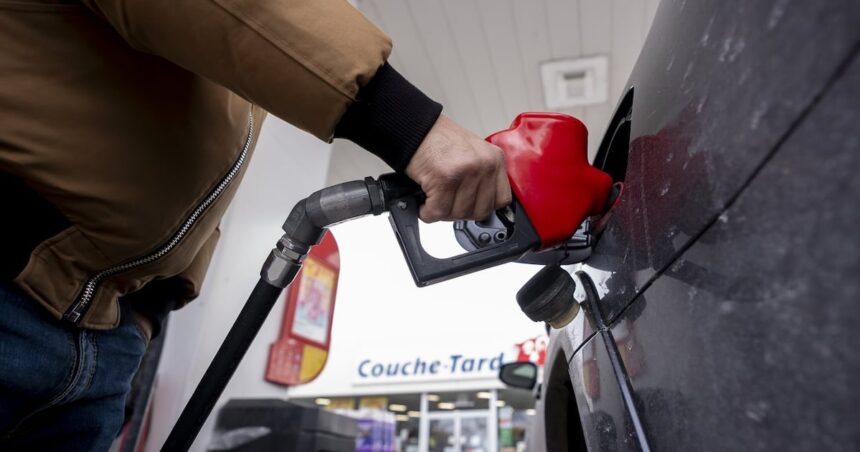

I remember filling up last Thursday morning at my usual spot near Marché Jean-Talon. The price jumped twelve cents overnight. My neighbour Claude called me immediately. He’d been tracking pump prices obsessively for weeks.
Quebec drivers now have serious help navigating these volatile fuel costs. The Régie de l’énergie just launched something quite practical. It’s an interactive map showing real-time prices from over 2,100 gas stations across the province.
This isn’t like GasBuddy, which depends on people manually reporting what they see. The Régie updates prices directly from stations themselves. Regular, premium, and diesel all appear with current figures. You simply zoom into your neighbourhood or type an address before heading out.
Wednesday afternoon revealed the stark differences across Montreal. Some east-end stations were charging 197.9 cents per litre. Meanwhile, certain West Island locations sat at 192.9 cents. That’s five cents variation within the same city. Over a fifty-litre tank, you’re saving two dollars and fifty cents.
The geopolitical situation keeps everyone anxious at the pumps. Iran’s ongoing conflict has disrupted global oil markets significantly. The Strait of Hormuz remains blocked. Twenty percent of the world’s oil normally travels through that waterway. Prices have surged since hostilities began over a month ago.
President Trump recently suggested the military operation might conclude within two to three weeks. Oil prices responded by dropping back toward one hundred dollars per barrel. That’s encouraging but hardly guarantees immediate relief for Montreal drivers. International markets remain unpredictable.
CAA Quebec issued interesting advice despite current high costs. They’re recommending motorists fill up now rather than wait. The average Montreal price Wednesday afternoon stood at 195.7 cents per litre. Their analysts consider anything below 200 cents relatively reasonable given current circumstances.
I’ve covered Quebec’s energy sector for years now. This kind of price volatility always hits working families hardest. My friend Isabelle commutes from Laval to her nursing job downtown. She calculated fuel now consumes nearly fifteen percent of her monthly budget. That’s up from about nine percent last year.
The new provincial map offers something concrete during uncertain times. It puts information directly into drivers’ hands. You can check prices before leaving home or while already on the road. The mobile-friendly interface works smoothly from what I’ve tested.
Local independent stations seem more willing to adjust prices competitively. The major chains sometimes hold higher rates longer. I noticed this pattern checking various Montreal neighbourhoods through the tool. Costco locations consistently showed lower figures when available.
Small business owners face their own fuel challenges beyond personal driving. Réal Boudreault runs a landscaping company in Anjou. He told me his trucks now cost almost forty percent more to operate than spring 2024. Those expenses ultimately affect what he charges clients.
Quebec’s geography makes fuel costs particularly significant. We’re a driving province despite Montreal’s public transit. Rural areas have zero alternatives to personal vehicles. Even city residents need cars for weekend errands or visiting family outside urban cores.
The Régie de l’énergie’s timing seems quite deliberate. They clearly recognized growing public frustration. Government bodies sometimes move slowly on consumer-facing tools. This rollout happened relatively quickly given typical bureaucratic timelines.
I appreciate that it includes diesel prices too. Commercial drivers and trucking companies desperately need transparency. Supply chain costs affect everything from grocery prices to construction materials. Fuel represents a massive variable expense.
Environmental advocates will likely point out this reinforces car dependency. That’s a fair longer-term concern. Right now though, most Montrealers lack realistic alternatives for many trips. We’re still years from adequate electric vehicle infrastructure citywide.
The interactive map doesn’t solve underlying supply problems. It won’t magically lower prices or end international conflicts. What it does provide is agency. Drivers can make informed choices about where they spend money. That matters when every dollar counts.
I checked prices near my Plateau apartment compared to visiting my sister in Brossard. The difference reached nearly four cents per litre. That knowledge lets me plan fill-ups strategically during weekly routines.
Montreal’s bilingual reality means the tool works seamlessly in French and English. The Régie clearly designed it for actual Quebec users. Simple toggles switch languages without losing your search location. These details matter for widespread adoption.
Gas price anxiety has become a genuine stressor for ordinary families. I hear it constantly in casual conversations. People discuss pump prices like they once talked about weather. It’s dominated kitchen table budgeting discussions.
The map won’t fix everything. International oil markets operate beyond provincial control. But information remains valuable during turbulent times. Knowing where to find savings of even three or four cents helps.
I’ll definitely bookmark this tool on my phone. My partner already downloaded it after I mentioned the launch. We’re planning a weekend trip to the Laurentians next month. Checking rural station prices beforehand could save meaningful money.
Quebec drivers deserve transparent, accessible pricing information. The Régie de l’énergie delivered exactly that. Whether prices stabilize or continue climbing, at least we now know our options clearly.