

I’ve been covering Toronto’s public health landscape for over a decade, and few stories have struck me quite like the recent mpox developments unfolding in our city. Walking through Pearson International Airport last week, I couldn’t help but notice the subtle tension in travelers’ faces. The arrival of two travel-related mpox cases involving a concerning new strain has shifted the conversation from theoretical risk to immediate local concern.
Toronto Public Health confirmed these cases represent a significant development for our community. Both individuals contracted the clade Ib strain during international travel. This particular variant has health officials more alert than previous iterations. The strain emerged from central Africa and carries characteristics that demand our attention and measured response.
Dr. Eileen de Villa, Toronto’s Medical Officer of Health, addressed the situation with characteristic directness during a press conference I attended downtown. She emphasized that while these cases warrant vigilance, they don’t signal an immediate crisis. Her measured tone reflected the balance health authorities must strike between transparency and preventing unnecessary panic. I’ve learned through years of covering public health that this calibration matters enormously.
The clade Ib strain differs from the clade II variant that circulated widely in our city during the previous outbreak. Scientists have observed that this newer version may spread more readily through close physical contact. That distinction matters for everyday Torontonians trying to assess their personal risk levels. Understanding transmission patterns helps communities respond appropriately rather than either dismissing or catastrophizing the threat.
Both affected individuals are currently isolating at home, according to provincial health authorities. Contact tracing efforts began immediately upon diagnosis confirmation. Toronto Public Health has reached out to anyone who may have encountered these travelers during their infectious period. This rapid response protocol reflects lessons learned from previous public health emergencies that have touched our city.
The broader context reveals important patterns worth examining. Ontario has recorded approximately ten travel-related mpox cases since this particular strain began spreading internationally last year. Most originated from countries experiencing active transmission. This pattern underscores how Toronto’s position as a global travel hub creates unique public health considerations that smaller communities don’t face.
Speaking with Dr. Isaac Bogoch, an infectious disease specialist at Toronto General Hospital, provided crucial perspective. He noted that mpox transmission requires sustained close contact rather than casual interaction. This characteristic fundamentally shapes how we should think about community risk. Riding the TTC or shopping at St. Lawrence Market doesn’t constitute the kind of prolonged physical proximity that typically facilitates spread.
Symptoms associated with this strain mirror those seen in previous mpox variants. Infected individuals typically develop a distinctive rash that progresses through several stages. Fever, headache, muscle aches, and swollen lymph nodes often accompany the characteristic skin lesions. Recognition of these symptoms enables earlier diagnosis and isolation, limiting potential transmission chains.
The previous mpox outbreak that peaked across Toronto in 2022 taught our healthcare system valuable lessons. Vaccination campaigns targeted highest-risk populations with notable success. Treatment protocols became standardized across hospital networks. Public health messaging improved dramatically as officials learned which communication strategies resonated with diverse communities throughout our sprawling metropolitan area.
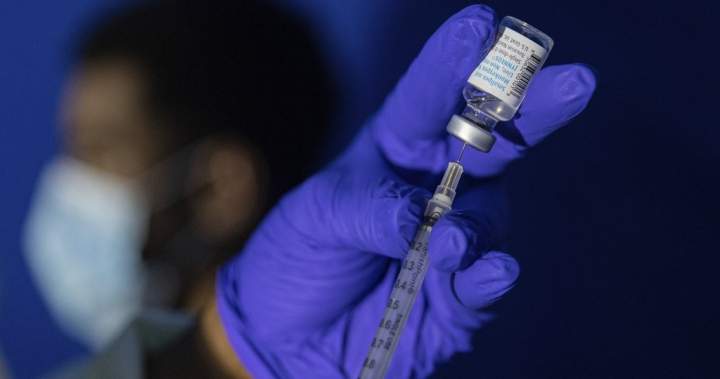
Vaccine availability remains robust across Toronto’s public health clinics. The Imvamune vaccine, proven effective against mpox, continues to be offered to those at elevated risk. Healthcare workers, close contacts of confirmed cases, and individuals with certain exposure histories qualify for immunization. These targeted campaigns represent a more sophisticated approach than blanket vaccination programs that stretch resources unnecessarily.
I reached out to several community health centers across different Toronto neighborhoods to gauge frontline perspectives. Nurses and intake coordinators reported increased inquiries from concerned residents. Most questions centered on distinguishing mpox symptoms from other common ailments. This information-seeking behavior suggests our community is engaged and proactive rather than fearful and reactive.
The economic implications shouldn’t be overlooked either. Toronto’s tourism sector, still recovering from pandemic-related disruptions, faces renewed uncertainty. Hotel operators and attraction managers I’ve interviewed express concern that international health alerts might discourage visitors. These worries reflect the delicate balance between legitimate public health measures and the economic vitality that keeps our city thriving.
Global health authorities including the World Health Organization continue monitoring this strain’s progression across multiple continents. Their surveillance networks track mutation patterns and transmission dynamics that inform local response strategies. Toronto’s public health officials participate in these international information-sharing systems, ensuring our city benefits from global expertise and real-time data.
Prevention strategies remain straightforward and accessible to everyone. Avoiding close physical contact with individuals showing symptoms provides primary protection. Practicing good hand hygiene after touching surfaces in public spaces adds another defensive layer. Anyone developing unexplained rashes should contact healthcare providers promptly rather than waiting to see if symptoms resolve independently.
The psychological dimension of these health alerts deserves consideration too. Many Torontonians still carry pandemic-related stress and fatigue. News of another infectious disease variant can trigger anxiety disproportionate to actual risk levels. Mental health professionals I’ve consulted emphasize the importance of consuming information from credible sources rather than social media speculation that amplifies worst-case scenarios.
Toronto’s diversity creates both challenges and advantages in public health responses. Messaging must reach communities speaking dozens of languages and drawing information from vastly different cultural contexts. Public health units have improved multilingual communication significantly, partnering with community organizations that serve specific populations. This grassroots approach builds trust that top-down government announcements sometimes cannot achieve.
Looking ahead, health officials emphasize that containment remains achievable with appropriate vigilance. The small number of cases identified thus far suggests screening and isolation protocols are functioning effectively. Border health measures at Pearson continue monitoring arriving passengers for potential symptoms. These systems, refined through years of managing various health threats, provide crucial early detection capabilities.
The response framework developed during previous outbreaks provides a tested blueprint. Healthcare facilities across Toronto’s hospital networks maintain isolation facilities and treatment protocols specifically designed for mpox patients. Staff training ensures clinical teams can recognize and manage cases efficiently. This preparedness infrastructure represents significant investment in protecting community health.
Reflecting on this developing situation, I’m reminded that public health exists in constant tension between vigilance and overreaction. Toronto has navigated numerous health challenges throughout its history. Our city’s resilience stems from institutions that take threats seriously while maintaining perspective about actual risk levels. These two mpox cases warrant attention without demanding alarm. That measured response characterizes the mature public health infrastructure we’ve built together as a community.