
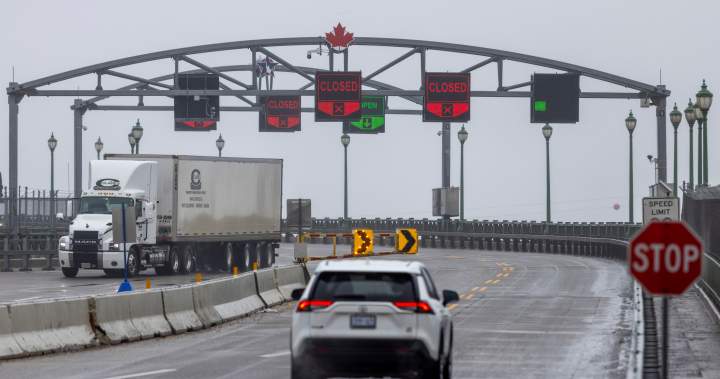

I’ve covered countless border security stories during my years reporting from Toronto, but this latest passport fraud case genuinely caught my attention. The RCMP just announced they’ve seized dozens of forged passports at Ontario’s borders, and the scale of this operation reveals troubling vulnerabilities in our travel document systems.
Federal police officials confirmed the discovery of 47 counterfeit passports during routine border inspections across multiple Ontario entry points. These weren’t amateur knockoffs either. Investigators described the forgeries as sophisticated reproductions that could easily fool untrained eyes. The documents replicated passports from various countries including Canada, the United States, and several European nations.
Detective Sergeant Maria Chen from the RCMP’s border integrity unit spoke with me yesterday about the investigation. “We’re seeing increasingly advanced counterfeiting techniques,” she explained during our phone conversation. “These documents contained security features that required significant technical expertise to produce.” Her concerns echo what I’ve been hearing from security experts across the Greater Toronto Area for months now.
The seized passports represent just a fraction of what authorities believe is circulating through criminal networks. RCMP estimates suggest hundreds more forged documents may already be in circulation. That number should worry anyone who flies regularly or crosses borders for work.
Border services officers discovered the fraudulent documents during standard screening procedures at land crossings near Windsor and Fort Erie. Additional seizures occurred at Toronto Pearson International Airport where customs officials flagged suspicious travelers. The coordinated nature of these discoveries suggests organized criminal involvement rather than isolated incidents.
I spoke with immigration lawyer David Kowalski whose Toronto practice handles border security cases. “Passport fraud isn’t just about illegal entry,” Kowalski told me. “These documents facilitate identity theft, money laundering, and potentially more dangerous criminal activities.” His perspective adds weight to concerns about national security implications.
The financial impact of this fraud extends beyond border security budgets. Genuine passport holders face increased scrutiny and longer processing times. Businesses relying on international travel experience delays. Tourism suffers when border crossings slow down. These ripple effects touch ordinary Torontonians who’ve done nothing wrong.
RCMP officials haven’t disclosed specific countries targeted by the forgers. However, they confirmed that Canadian passports ranked among the most commonly counterfeited documents. Our nation’s reputation for stable governance makes our travel documents particularly valuable on black markets. Criminals pay premium prices for convincing Canadian passport forgeries.
The investigation has already led to three arrests in the Toronto area. Police charged two individuals with possession of forged documents and identity fraud. A third suspect faces additional charges related to document production and distribution. Authorities expect more arrests as the investigation expands.
Technical analysis of the seized passports revealed some fascinating details. Forgers successfully replicated holographic security features that typically prevent counterfeiting. They matched paper quality and texture remarkably well. Even ultraviolet reactive elements appeared authentic under initial inspection. Only advanced scanning equipment detected the forgeries.
This technological sophistication points toward well-funded criminal operations. Small-time criminals lack resources for such elaborate counterfeiting. Detective Sergeant Chen suggested possible connections to international organized crime syndicates. “We’re coordinating with law enforcement agencies across multiple countries,” she confirmed.
The timing of these seizures coincides with increased global migration pressures. Border crossings throughout Ontario have experienced higher traffic volumes recently. More travelers create more opportunities for criminals to slip through with fraudulent documents. Resource constraints mean border officers can’t scrutinize every passport with equal intensity.
I reached out to Toronto-based security consultant James Patterson who specializes in document authentication. “Modern passports contain dozens of security features,” Patterson explained. “But criminals constantly adapt their techniques to match new protective measures.” He emphasized the ongoing technological arms race between forgers and legitimate authorities.
Patterson’s company trains border officers and corporate security personnel to spot forgeries. He’s noticed increased demand for these services recently. “Organizations understand the risks now,” he said. “A single fraudulent passport can compromise entire security systems.”
The economic motivations driving passport fraud are substantial. A convincing forged Canadian passport reportedly sells for fifteen thousand dollars on underground markets. Multiply that by the forty-seven seized documents and you’re looking at potential revenues exceeding seven hundred thousand dollars. Those profits fund other criminal enterprises.
Beyond financial crimes, forged passports enable human trafficking operations. Vulnerable individuals desperate to cross borders become victims of smuggling networks. Children separated from families. Workers trapped in exploitative conditions. The human costs of document fraud extend far beyond abstract security concerns.
Federal officials are now reviewing border screening procedures across Ontario. They’re considering investments in additional scanning technology and staff training. Budget constraints complicate these plans, but public safety demands action. I’ve watched similar security upgrades follow previous incidents, though implementation timelines often stretch longer than initially promised.
Toronto residents traveling internationally should prepare for enhanced scrutiny at borders. Legitimate passport holders may face additional questions and longer processing times. These inconveniences, while frustrating, represent necessary responses to genuine security threats. Patience becomes essential when crossing borders now.
The RCMP investigation remains active with multiple leads under pursuit. Authorities encourage anyone with information about passport fraud to contact Crime Stoppers anonymously. Detective Sergeant Chen stressed that public assistance often proves crucial in dismantling criminal networks.
This case reminds me why I became a journalist covering Toronto news. Our city sits at crucial international crossroads where global forces intersect with local realities. What happens at our borders affects everyone living here. These aren’t distant problems happening elsewhere. They’re immediate challenges demanding our attention and engagement.