
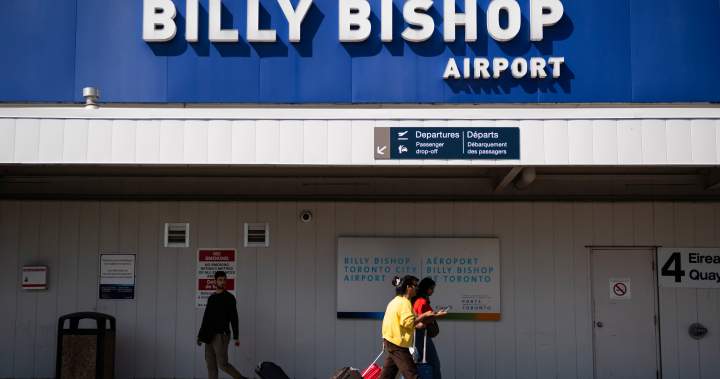

The concrete runway at Billy Bishop Toronto City Airport stretches across the island like a promise of change. I’ve watched this airport transform over my years covering Toronto’s business landscape. Now, something bigger is unfolding.
The provincial government wants control of Toronto Island Airport. Doug Ford’s administration has signaled its intention to take over operations from PortsToronto. This isn’t just bureaucratic shuffling. It’s a fundamental shift in how one of Canada’s busiest urban airports might operate.
PortsToronto currently manages the facility through a federal agreement. The organization has overseen Billy Bishop for decades. But the Ontario government believes provincial oversight could unlock the airport’s potential. Transportation Minister Prabmeet Sarkaria has made this clear in recent statements.
The timing raises eyebrows across the business community. Toronto faces mounting pressure to expand transportation infrastructure. The island airport serves over 2.8 million passengers annually. Those numbers have climbed steadily since pandemic recovery began.
I spoke with Sarah Chen, a transportation consultant based in the Financial District. She’s analyzed Toronto’s aviation sector for fifteen years. “Provincial control could accelerate expansion projects,” she told me over coffee last Tuesday. “The question is whether that benefits residents or just business interests.”
The airport sits mere minutes from downtown Toronto. That proximity makes it valuable for business travelers. Porter Airlines operates most flights from the facility. The carrier has built its brand around convenient urban access.
Local residents see things differently. The Toronto Island community has opposed airport expansion for years. Noise concerns dominate their objections. Environmental groups have joined their cause. They worry about increased traffic over the harbor.
Michael Gallagher chairs a downtown residents association. His group has monitored airport developments closely. “We’ve fought to keep this airport contained,” he explained during our phone conversation. “Provincial takeover could override local voices completely.”
The numbers tell a compelling story about the airport’s economic impact. Billy Bishop generates approximately $2.1 billion in annual economic activity. It supports roughly 4,500 jobs across the Greater Toronto Area. These figures come from a 2023 economic impact study.
Provincial control could mean streamlined approvals for infrastructure upgrades. The current governance structure involves multiple jurisdictions. Federal, provincial, and municipal governments all have stakes. This complexity has slowed previous expansion attempts.
I’ve covered enough city council meetings to understand the frustration. Decision-making around the airport has always been complicated. The tripartite agreement governing PortsToronto dates back to 1983. That framework feels increasingly outdated in 2025.
The business community has largely welcomed the potential change. The Toronto Region Board of Trade issued a cautiously optimistic statement. They emphasized the need for economic growth balanced with environmental responsibility. That’s classic corporate diplomacy.
Jennifer Walsh runs a logistics company near the airport. She moves time-sensitive cargo through Billy Bishop regularly. “Anything that improves efficiency helps us compete,” she said when I visited her warehouse. “But I understand why islanders are worried about their quality of life.”
The provincial government hasn’t detailed its specific plans yet. Speculation runs wild in transportation circles. Some expect runway extensions. Others anticipate expanded terminal facilities. A few insiders whisper about jet service returning.
That last possibility particularly concerns environmental advocates. Billy Bishop banned jets in 2003 through the tripartite agreement. Turboprop aircraft like Porter’s Dash-8s became the standard. Jets would dramatically increase noise levels.
Toronto’s waterfront has undergone remarkable transformation over two decades. I’ve documented this evolution extensively in my reporting. The airport sits at the heart of ongoing development debates. Expansion could reshape the entire harbor area.
The federal government maintains ultimate authority over the airport. Transport Canada must approve any major governance changes. This creates another layer of complexity. Ottawa has remained conspicuously quiet on the takeover proposal.
Political motivations inevitably factor into such discussions. The Ford government has prioritized infrastructure development. Highway expansions and transit projects dominate their agenda. Airport control fits this broader pattern.
Critics argue the province lacks aviation expertise. PortsToronto has specialized knowledge in urban airport management. Transitioning that institutional knowledge won’t happen overnight. Implementation could prove messy.
I reached out to PortsToronto for comment. Their spokesperson provided a measured response. “We continue serving Toronto’s aviation needs effectively,” the statement read. “Any governance discussions involve multiple stakeholders.” That’s careful language.
The financial implications deserve scrutiny. Provincial takeover could require significant upfront investment. Upgrading aging infrastructure won’t come cheap. Taxpayers might ultimately bear those costs.
Rebecca Thornton teaches urban planning at a local university. She’s researched airport-city relationships extensively. “Control questions often mask deeper development ambitions,” she noted during our interview. “We should ask what vision drives this push.”
The island community remains largely powerless in these discussions. Their voices carry limited weight against provincial authority. This dynamic reflects broader tensions between local autonomy and centralized planning.
Toronto Island residents treasure their unique neighborhood. The airport represents an ongoing intrusion. Expansion threatens the character they’ve fought to preserve. Their concerns deserve genuine consideration.
Business travelers appreciate Billy Bishop’s convenience immensely. The airport offers downtown access unmatched by Pearson International. That competitive advantage drives much of the expansion pressure. Porter Airlines has staked its future on maintaining this edge.
The coming months will reveal the government’s true intentions. Consultation processes should provide clarity. Whether those consultations meaningfully incorporate community feedback remains uncertain. I’ve seen too many predetermined outcomes dressed as engagement.
Toronto’s growth seems unstoppable at times. The city keeps expanding upward and outward. Infrastructure struggles to keep pace. The airport debate encapsulates these larger tensions.
Walking along the waterfront last week, I watched planes descend toward the island. Each approach brings economic activity. Each landing also brings noise and disruption. That balance has never been easy.
The provincial takeover proposal forces Toronto to confront difficult questions. What kind of city do we want to become? Who decides our development trajectory? How do we balance competing interests fairly?
These aren’t abstract policy debates. They affect real people living real lives. The ferry operator who shuttles passengers to the terminal. The restaurant owner on Centre Island. The executive catching a morning flight to Montreal.
The Ontario government clearly sees opportunity in controlling Billy Bishop. Whether that opportunity serves broader public interest remains the crucial question. I’ll keep watching and reporting as this story develops.
Toronto deserves transparent decision-making on infrastructure this important. The airport belongs to all of us in some sense. Its future should reflect genuine community consensus, not just political expediency.